Angioedema Symptom & Risk Checker
1. Identify Your Medication
2. Current Symptoms
🚨 EMERGENCY WARNING!
Your symptoms indicate a critical airway risk. Please seek immediate emergency medical care (ER). Do not wait.
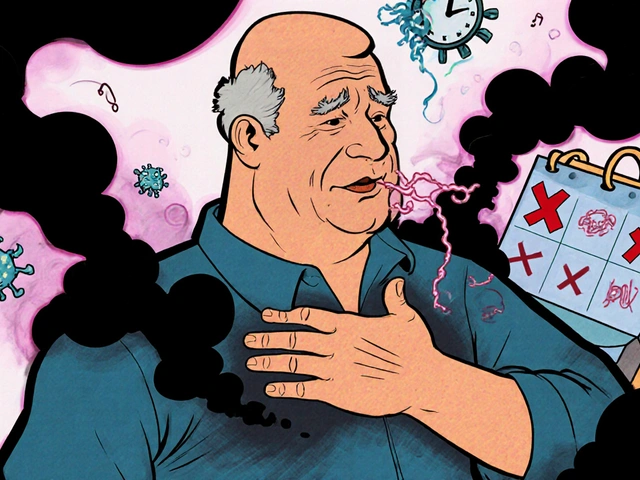
Imagine waking up and realizing your lips feel twice their normal size, or noticing that your tongue is becoming too large for your mouth. This isn't just a strange allergic reaction; it could be angioedema from medications is a condition where deep layers of the skin and submucosal tissues swell rapidly, potentially blocking the airway. When triggered by drugs, this swelling can move from your face to your throat in minutes, turning a manageable side effect into a life-threatening emergency. Knowing the difference between a simple rash and a systemic swelling event is the key to surviving these reactions.
Quick Summary: What You Need to Know
- Airway Danger: Swelling of the tongue or larynx can obstruct breathing almost instantly.
- The Main Culprit: ACE inhibitors are the most frequent cause, especially in women and African-American patients.
- Two Different Types: Some reactions respond to antihistamines (histaminergic), while others (bradykinin-mediated) do not.
- Delayed Onset: You can develop a reaction even after taking a medication for several years without issues.
- Emergency Signs: Voice changes, stridor (high-pitched wheezing), and sudden difficulty breathing require immediate ER care.
The Medications Most Likely to Cause Swelling
Not all drugs cause angioedema in the same way. The most notorious group is ACE inhibitors medications used to treat high blood pressure and heart failure that block the angiotensin-converting enzyme. These are responsible for roughly 30-40% of all drug-induced cases. Interestingly, this doesn't always happen on the first dose. While many people react in the first week, others develop swelling after years of stable use, making it a bit of a medical wildcard.
Beyond blood pressure meds, other common triggers include penicillin and various NSAIDs non-steroidal anti-inflammatory drugs like aspirin or ibuprofen used to reduce pain and inflammation. Angiotensin receptor blockers (ARBs) are also on the list, and there is a known 50% recurrence risk for people who move from an ACE inhibitor to an ARB after having a swelling episode.
Why Some Treatments Fail: Histamine vs. Bradykinin
One of the biggest dangers in treating angioedema is assuming every swelling is an "allergy." In reality, there are two completely different biological paths that lead to the swelling, and the treatment for one will do absolutely nothing for the other.
The first is mast cell-mediated (histaminergic). This is your classic allergic reaction. Your body releases histamine, and the tissues swell. Because it's driven by histamine, it responds well to standard emergency tools: epinephrine, corticosteroids, and H1 antihistamines. If you have a penicillin allergy, this is likely what's happening.
The second is bradykinin-mediated. This is common with ACE inhibitors. Instead of histamine, the body accumulates a peptide called bradykinin, which makes blood vessels leak fluid into the tissues. Here is the scary part: epinephrine, steroids, and antihistamines generally do not work for this type of swelling. This is why some patients feel ignored or untreated in emergency rooms-they are being given drugs that don't target the actual cause of the swelling.
| Feature | Mast Cell-Mediated (Allergic) | Bradykinin-Mediated (Non-Allergic) |
|---|---|---|
| Common Trigger | Penicillin, NSAIDs | ACE Inhibitors, ARBs |
| Response to Epinephrine | High / Effective | Low / Often Resistant |
| Response to Antihistamines | Yes | No |
| Onset Speed | Very Rapid | Rapid to Delayed |
| Primary Mediator | Histamine | Bradykinin |

Recognizing the Red Flags of Airway Compromise
Swelling in the lips or eyes is alarming, but it isn't usually the most dangerous part. The real crisis begins when the swelling hits the larynx (voice box) or the tongue. You need to watch for "stridor," which is a harsh, high-pitched sound when you breathe. If your voice starts sounding husky or thick-like you have a severe cold but you didn't have one ten minutes ago-your airway is narrowing.
Other warning signs include a feeling of tightness in the throat or the sensation that your tongue is "too big" for your mouth. In some cases, angioedema doesn't just hit the face; it can cause swelling in the intestinal tract, leading to sudden, severe abdominal pain. If you experience a combination of facial swelling and stomach cramps, it's a sign of a systemic reaction that needs immediate medical attention.
How to Manage a Reaction and Prevent Recurrence
If you suspect a medication is causing you to swell, the first and most critical step is to stop taking the drug immediately. Do not wait for your next appointment. However, do not just switch to another drug in the same class without a doctor's guidance, as cross-reactivity is common.
For those with a history of allergic (mast cell) reactions, carrying a prefilled epinephrine auto-injector is a non-negotiable safety measure. For those reacting to ACE inhibitors, the "treatment" is primarily the removal of the drug and supportive care in a hospital to ensure the airway stays open. In some severe cases, doctors may use immune-modulating drugs or specific bradykinin-receptor antagonists like icatibant, though these are more common in hereditary cases.
The recovery window for an acute episode usually lasts between 24 and 72 hours. During this time, you should be monitored closely, as a second "wave" of swelling can sometimes occur even after the drug is out of your system.

The Diagnosis Gap: Why It Often Takes Multiple Visits
There is a frustrating gap in how this condition is diagnosed. Many primary care physicians may misidentify ACE inhibitor-induced angioedema as a simple allergy. This leads to a dangerous cycle where a patient is given steroids and antihistamines, the swelling doesn't go down, and the doctor assumes the reaction is just "stubborn" rather than fundamentally different in nature.
Research suggests some patients visit multiple doctors before someone connects the dots between their blood pressure medication and the swelling. To avoid this, be proactive. If you are taking an ACE inhibitor and experience any swelling-even if it's just a slightly puffy lip-tell your provider specifically that you are on an ACE inhibitor and ask if this could be bradykinin-mediated angioedema.
Can I take an ARB if I had angioedema from an ACE inhibitor?
It is risky. There is a reported 50% recurrence risk for patients who switch to an ARB after experiencing ACE inhibitor-induced angioedema. You should discuss this risk with your doctor to find a safer alternative for blood pressure management.
How fast does airway swelling happen?
It can happen incredibly fast. While some reactions develop over hours, airway obstruction can occur within minutes of the swelling reaching the larynx or tongue. Immediate emergency intervention is required if you experience difficulty breathing.
Do steroids work for all types of drug swelling?
No. Corticosteroids (like prednisone) are effective for mast cell-mediated allergic reactions. However, they are largely ineffective for bradykinin-mediated angioedema, such as that caused by ACE inhibitors.
Why did I react to a drug I've taken for years?
This is a specific characteristic of ACE inhibitor-induced angioedema. Unlike typical allergies that show up on the first or second dose, this type of reaction can be delayed by months or even years of uneventful use.
What is the difference between hives and angioedema?
Hives (urticaria) affect the superficial layer of the skin and are usually itchy. Angioedema affects the deeper dermis and subcutaneous tissues. While they often happen together, angioedema can occur alone and is much more dangerous when it involves the airway.
Next Steps for Patients and Caregivers
If you are currently on a medication known to cause angioedema, start a "symptom diary." Note any minor swelling, especially around the eyes, lips, or tongue. If you are a caregiver for an elderly patient on ACE inhibitors, be alert for sudden changes in their voice or a new, unexplained cough, which could indicate early laryngeal edema.
For those who have already experienced an episode, ensure your medical records are updated with a clear "Drug Allergy/Contraindication" alert. This prevents another provider from accidentally prescribing a similar medication in the future. If you have a confirmed mast cell allergy, work with your doctor to create a written emergency action plan that outlines exactly when to use an epinephrine injector and when to call emergency services.