
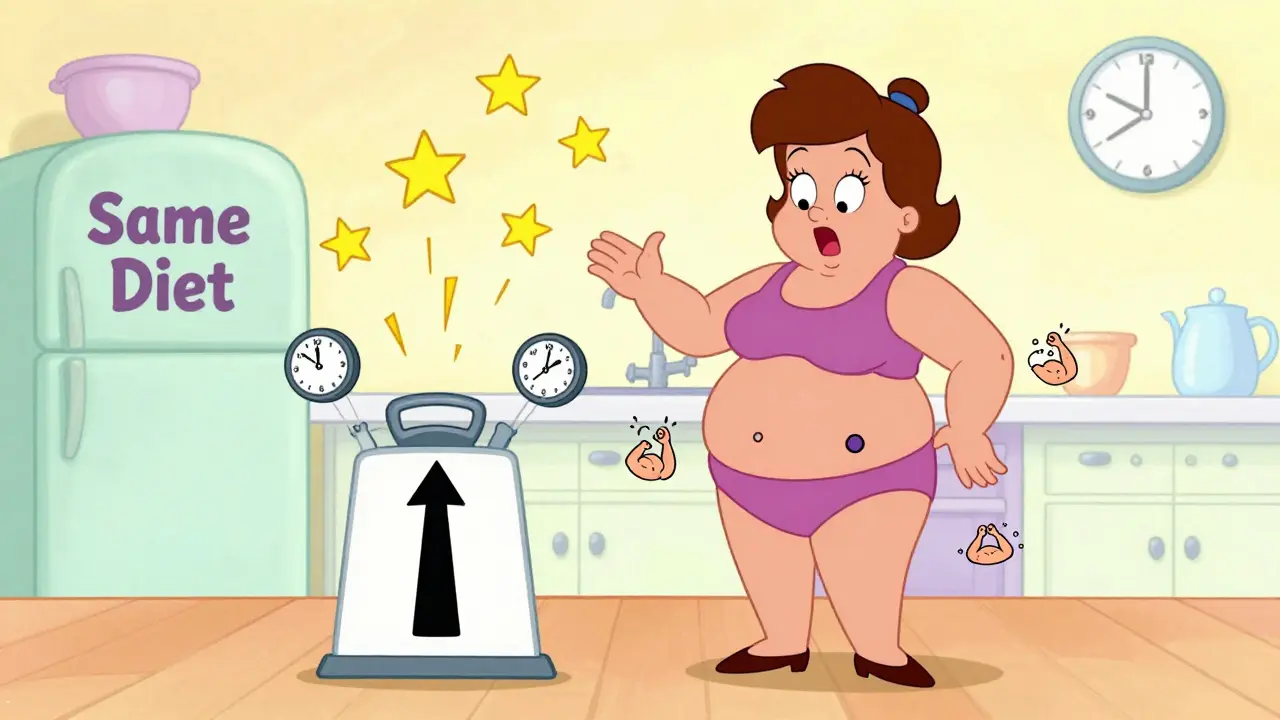
Menopause Weight Gain: How Hormones, Muscle Loss, and Strategy Shape Your Body
Martyn F. Mar. 3 10Menopause weight gain isn't about overeating-it's hormonal shifts, muscle loss, and slower metabolism. Learn the science behind abdominal fat gain and what actually works to manage it after 50.
More Detail
Anaphylaxis from Medication: Emergency Response Steps
Martyn F. Mar. 2 13Anaphylaxis from medication is a life-threatening emergency that requires immediate epinephrine, proper positioning, and emergency medical help. Delaying treatment increases the risk of death. Learn the critical steps to save a life.
More Detail
Severe Adverse Drug Reactions: When to Seek Emergency Help
Martyn F. Feb. 25 9Severe adverse drug reactions can be fatal within minutes. Learn the life-threatening signs of anaphylaxis, Stevens-Johnson Syndrome, and other drug reactions - and what to do immediately to survive.
More Detail
Levothyroxine with Iron and Calcium: How to Separate Doses for Optimal Thyroid Function
Martyn F. Feb. 23 8Taking levothyroxine with iron or calcium can block absorption and make your thyroid medication ineffective. Learn the exact timing rules to stay on track and avoid fatigue, weight gain, and other symptoms of under-treated hypothyroidism.
More Detail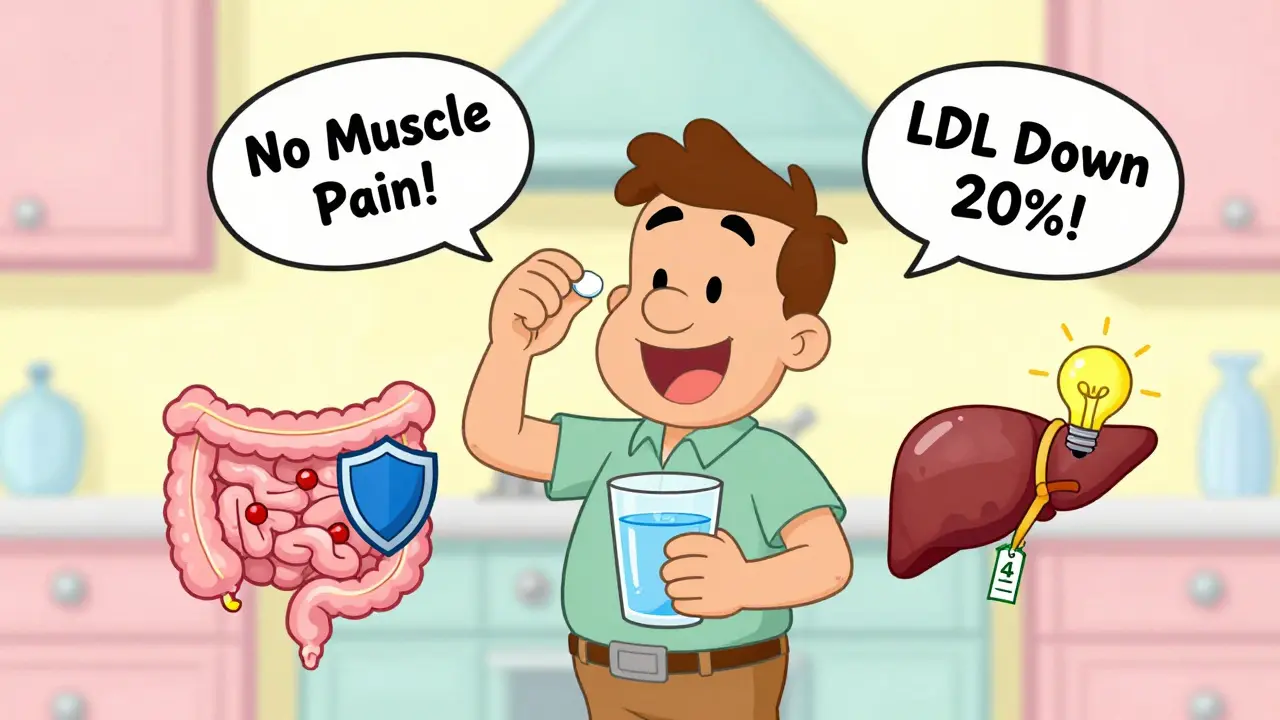
Alternative Cholesterol Medications: Ezetimibe and Bempedoic Acid Explained
Martyn F. Feb. 18 15Ezetimibe and bempedoic acid offer effective, non-statin options for lowering LDL cholesterol when statins cause side effects or aren't enough. Both reduce heart risk, with bempedoic acid proven to cut heart attacks in high-risk patients.
More Detail
Barcode Scanning in Pharmacies: How It Prevents Dispensing Errors
Martyn F. Feb. 16 13Barcode scanning in pharmacies prevents up to 93% of medication errors by verifying the right patient, drug, dose, route, and time. Learn how NDC barcodes, workflow changes, and staff training make this technology life-saving.
More Detail
State Pharmacy Boards: How to Verify Pharmacy Licenses to Avoid Counterfeit Drugs
Martyn F. Feb. 11 9State pharmacy boards are the primary defense against unlicensed pharmacists and counterfeit drugs. Learn how to verify licenses, avoid dangerous third-party tools, and protect yourself or your business from unsafe practitioners.
More Detail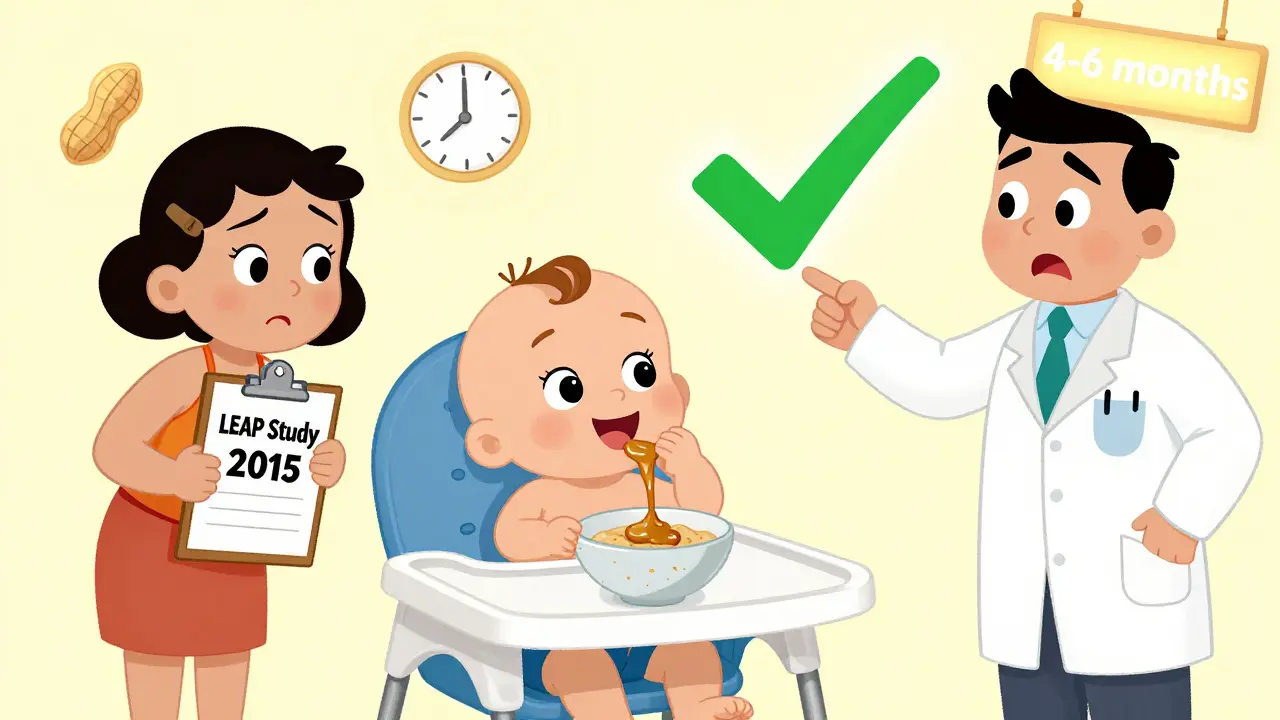
Peanut Allergy Prevention: What Parents Need to Know About Early Introduction and OIT
Martyn F. Feb. 10 12Peanut allergy prevention has changed dramatically since 2015. Early introduction of peanut between 4-6 months can reduce allergy risk by up to 98%. Learn the science, guidelines, and safe methods for your baby.
More Detail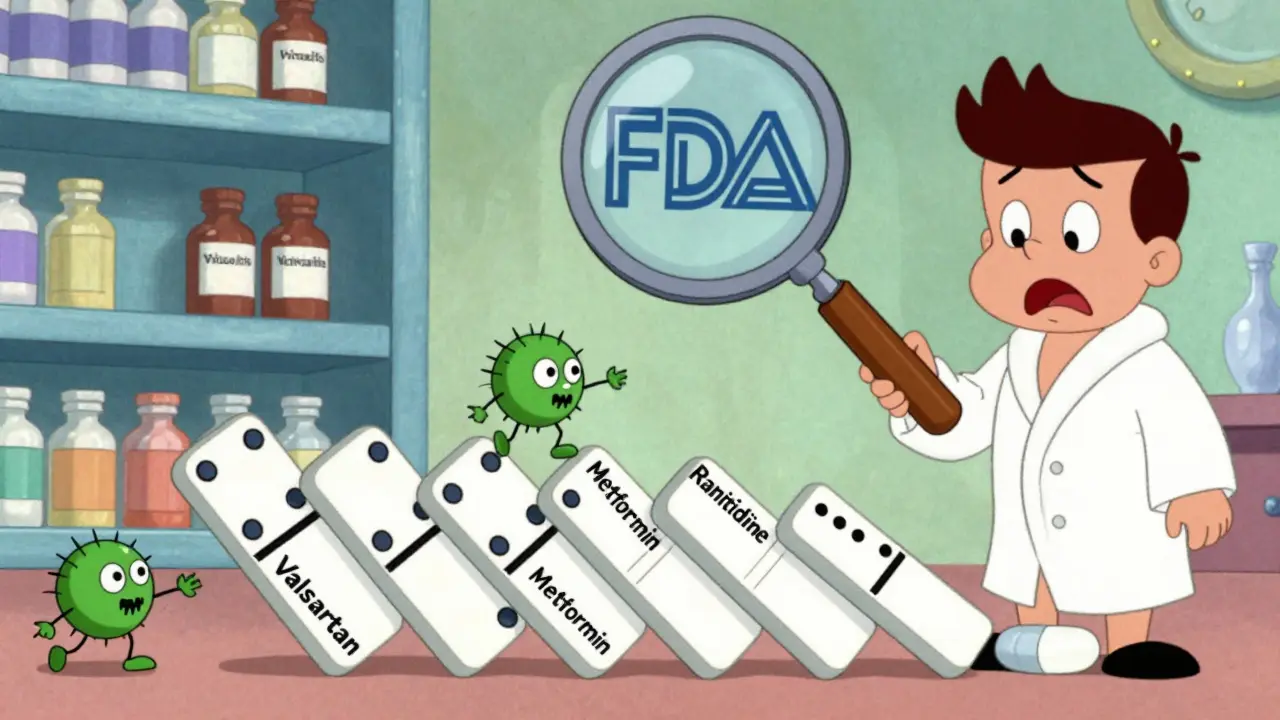
Nitrosamine Contamination in Generics: Recent Cases and Regulatory Response
Martyn F. Feb. 7 12Nitrosamine contamination in generic drugs has triggered hundreds of recalls since 2018, exposing hidden cancer risks in everyday medications. The FDA's response has reshaped global drug safety standards - and forced manufacturers to rethink how medicines are made.
More Detail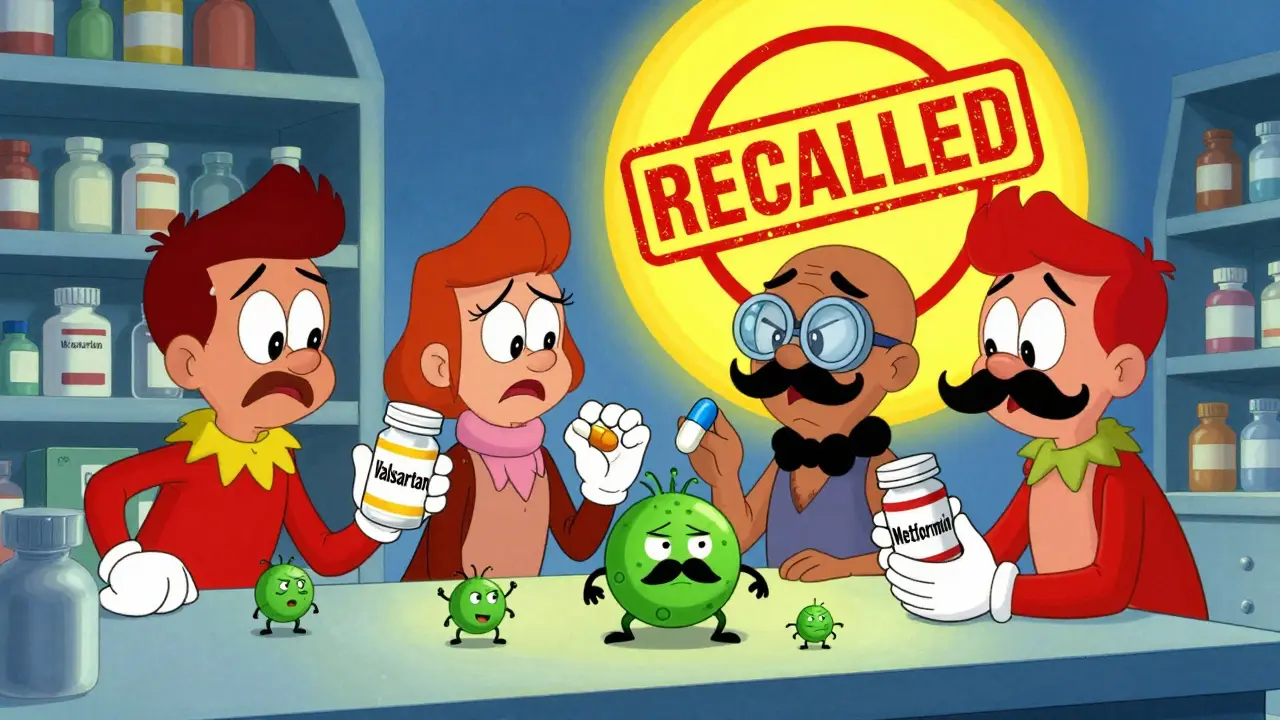
Nitrosamine Contamination in Generics: Recent Cases and Regulatory Response
Martyn F. Feb. 7 13Since 2018, nitrosamine contamination has triggered hundreds of recalls in generic drugs like valsartan, metformin, and Zantac. Learn how these carcinogenic impurities form, why regulators changed their rules, and what it means for patients and manufacturers.
More Detail
Assistive Devices for Osteoarthritis: Canes, Braces, and More
Learn how canes, braces, walkers and other assistive devices help manage osteoarthritis pain, improve stability, and stay active.
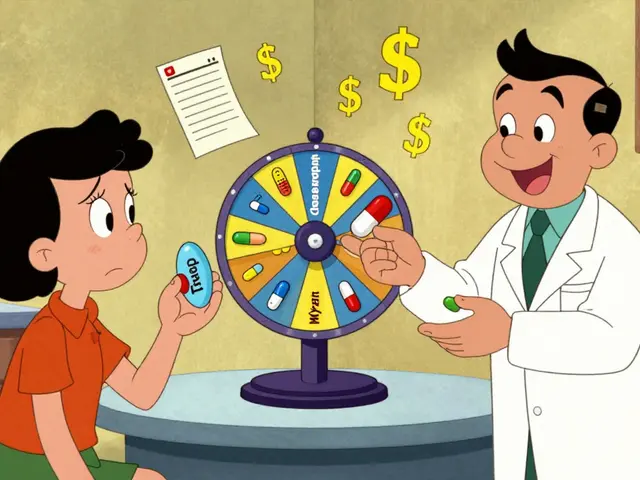
Switching Between Generic Medications: What You Need to Know
Switching between different generic medications is common and saves money, but it can be dangerous for drugs with narrow therapeutic indexes like levothyroxine or warfarin. Learn how to spot changes, protect yourself, and talk to your doctor.
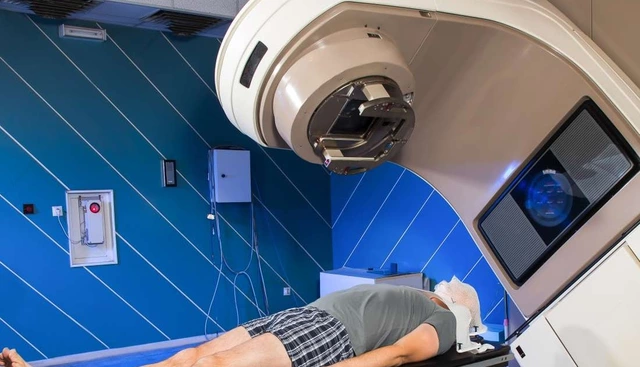
The Role of Radiation Therapy in Multiple Myeloma Treatment
As a blogger, I recently researched the role of radiation therapy in multiple myeloma treatment. Radiation therapy is primarily used to control pain and reduce the size of bone lesions caused by this cancer. Although it is not a cure for multiple myeloma, it does provide relief to patients, allowing them to maintain a higher quality of life. The therapy is often combined with chemotherapy, stem cell transplants, and other treatments to provide a more comprehensive approach. It's crucial to consult with a healthcare professional to determine the best course of action when considering radiation therapy for multiple myeloma.