Diabetes control made simple: daily steps that work
Want to keep blood sugar steady without overthinking it? Start with a few daily habits you can actually stick to. Small changes—testing, smart meals, movement, and knowing when to act—make the biggest difference for most people.
Simple day-to-day habits
Check your numbers. Aim for common targets many doctors use: fasting about 80–130 mg/dL and 1–2 hours after meals under 180 mg/dL. Track patterns, not single readings. If you see the same spike after breakfast, tweak that meal next time.
Fix one meal at a time. Focus on carbs and quality: pick whole grains, non-starchy veggies, and lean proteins. Try a plate that's half veggies, a quarter protein, and a quarter carbs. Swap white bread for whole-grain or beans, and include a fiber source—fiber slows sugar spikes.
Move more in short bursts. You don’t need long workouts. A 10–15 minute brisk walk after meals helps lower post-meal glucose. Aim for 150 minutes of moderate activity a week, but if that feels like too much, start with three 10-minute walks daily.
Watch portion sizes and snacks. Practical snacks: a small apple with 1 tbsp peanut butter, plain Greek yogurt with berries, or a handful of almonds. Keep easy-to-eat glucose sources (juice, glucose tablets) on hand for low blood sugar.
Medications, testing, and problem signs
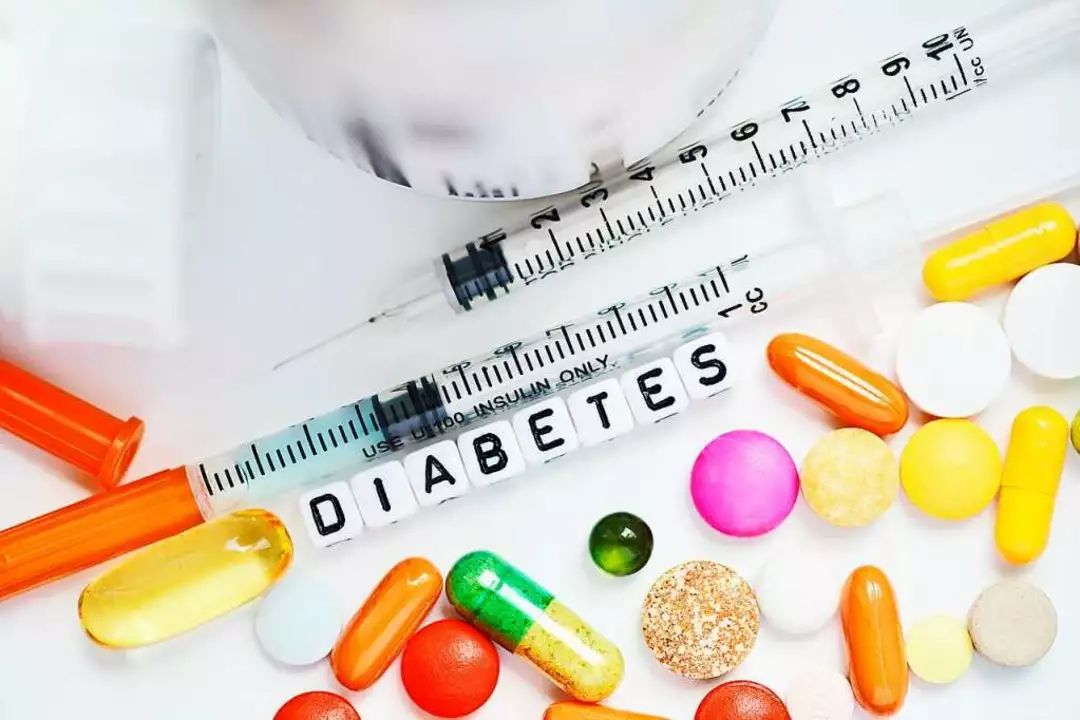
Know your meds. Metformin is often the first choice; insulin is used when diet, activity, and pills aren’t enough. Newer options like SGLT2 or GLP-1 drugs help with blood sugar and weight for some people. Talk with your provider about side effects and benefits—don’t stop or change meds without advice.
Check A1C regularly. A1C shows average blood sugar over 2–3 months. Many targets are under 7% for adults, but your doctor may set a higher or lower goal based on age and other health issues.
Recognize lows and highs. Low blood sugar signs: sweating, shakiness, fast heartbeat, confusion. If blood sugar is low (under ~70 mg/dL), take 15–20 grams of fast carbs (juice, glucose tablets), wait 15 minutes, then recheck. For very high readings with nausea, vomiting, or deep breathing, seek medical care—these can be emergencies.
Plan for real life. Travel, illness, stress, and sleep changes all affect glucose. Carry a simple kit with medication list, meter, fast sugar, and emergency contact info. Keep up vaccines, foot checks, and yearly eye and kidney tests—catching problems early saves trouble later.
Want one small step today? Test one meal tomorrow and change one thing: smaller portion, more veggies, or a short walk after eating. Track the result. Repeat what helps. Diabetes control isn't about perfection—it's about consistent, practical moves that add up.