Multiple Myeloma: Clear, Practical Info You Can Use
Multiple myeloma is a blood cancer that starts in plasma cells inside the bone marrow. It can cause bone pain, low blood counts, kidney issues, and frequent infections. If you or a loved one is facing this diagnosis, you probably have a lot of questions—what tests matter, which treatments work, and what helps day-to-day. This page gives straight answers and steps you can take right now.
Common symptoms and diagnosis
Watch for persistent bone pain (often in the back or ribs), unexplained tiredness, frequent infections, and heavy or dark urine. These can come from anemia, weakening bones, or kidney changes caused by abnormal plasma cells. Your doctor will usually order blood tests (CBC, calcium, kidney function, and a protein test like SPEP), urine tests, and imaging (X-ray, MRI, or PET/CT). A bone marrow biopsy confirms the diagnosis by showing abnormal plasma cells.
Early detection helps because treatments work best before organs are severely damaged. If tests show monoclonal proteins but no symptoms, doctors sometimes call that MGUS or smoldering myeloma—conditions watched closely to catch progression early.
Treatment options and living with multiple myeloma
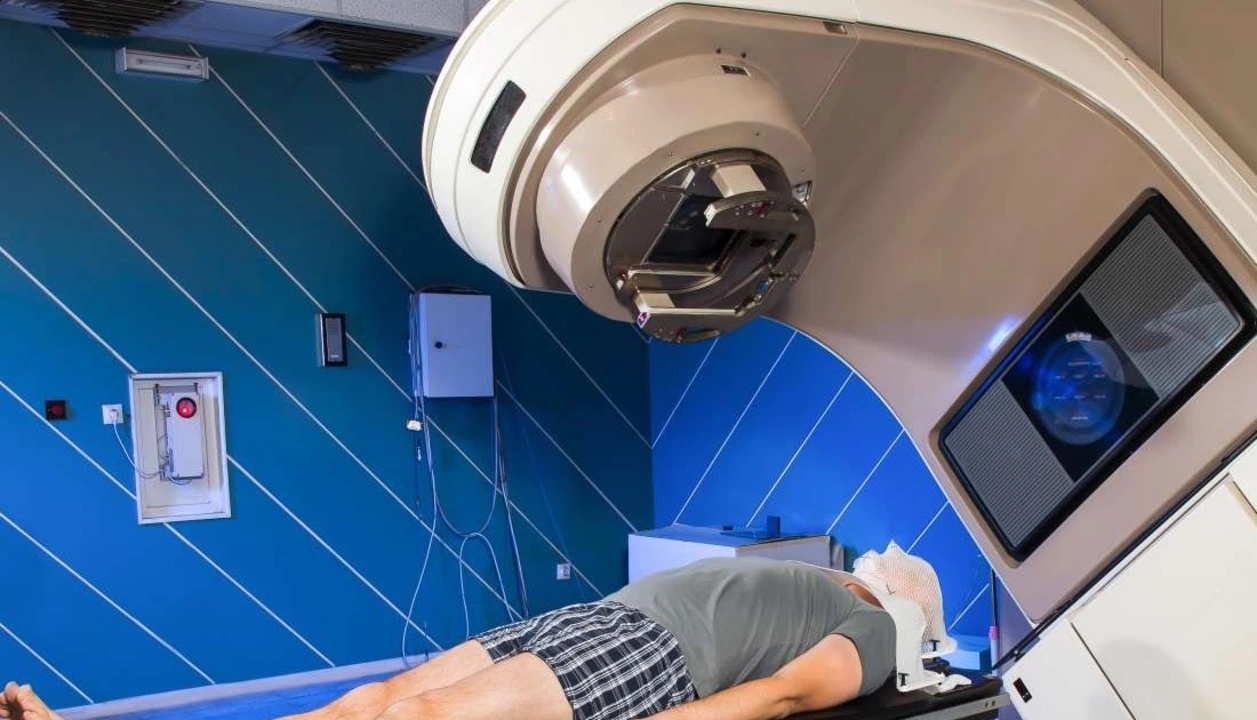
Treatment plans vary by age, overall health, and how aggressive the disease is. Common options include combination drug therapy (proteasome inhibitors, immunomodulatory drugs, and steroids), targeted therapies, monoclonal antibodies, and stem cell transplant for eligible patients. Radiation can help with painful bone lesions. Newer treatments like CAR-T and bispecific antibodies are increasingly available in specialized centers.
Side effects matter as much as effectiveness. Watch for low blood counts, nerve symptoms, infections, and fatigue. Your team will give supportive care: bone-strengthening drugs (bisphosphonates), antibiotics or vaccines to reduce infections, growth factors for low blood counts, and pain control. Talk to your doctor about fertility, work, and travel plans before starting therapy.
Practical daily tips: keep a medication list, learn signs of infection (fever, chills, sore throat), stay hydrated, and use fall prevention at home if you have weak bones. Nutrition and light exercise help fatigue and mood, but always check with your medical team before starting a new routine.
What to ask at appointments: What stage is my myeloma? Which test values do you track? What side effects should I expect and how will you manage them? Is a transplant or clinical trial a good option for me? Will my treatment affect my kidneys, nerves, or bones?
NowRx.com has clear articles on tumor growth, medication choices, and managing side effects that can help you prepare for visits and decisions. Use reliable sources, bring a family member to appointments, and get a second opinion if anything feels unclear. When you take simple steps—ask focused questions, track symptoms, and follow supportive care—you gain more control over the treatment process.