Patient Safety: How to Avoid Medication Errors and Stay Protected
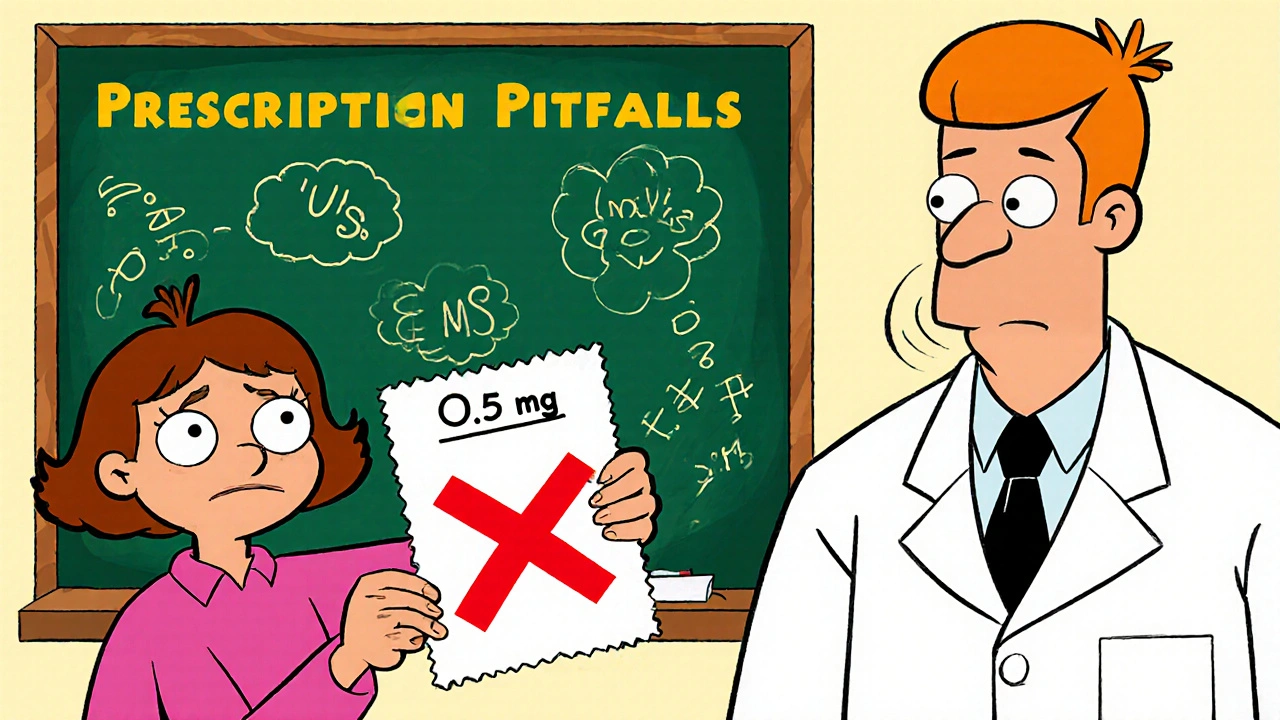
When it comes to your health, patient safety, the practice of preventing harm caused by medical care. Also known as healthcare safety, it’s not just about hospitals—it’s about what happens every time you take a pill, fill a prescription, or see a new doctor. Too many people assume their meds are safe because they’re prescribed or sold over the counter. But medication errors are one of the leading causes of preventable harm in the U.S., and most happen at home.
It starts with something simple: a misread label, a missed dose, or mixing two drugs that shouldn’t be taken together. drug interactions, when two or more medications affect each other’s behavior in the body can turn a harmless routine into a life-threatening event. Think of it like this: taking an SSRI with an MAO inhibitor isn’t just risky—it can trigger serotonin syndrome, a condition that spikes your body temperature and heart rate dangerously. Or consider how adverse drug reactions, unintended and harmful responses to medication at normal doses like yeast infections from SGLT2 inhibitors or heat illness from diuretics can sneak up on you if you’re not watching for them.
And it’s not just about the drugs themselves. medication management, the process of tracking, organizing, and adjusting medications safely over time is where most people fail. Seniors on five or more pills? Caregivers juggling schedules? People switching doctors or pharmacies? These are the exact moments when errors spike. That’s why a clear, updated medication list isn’t optional—it’s your first line of defense. Knowing exactly what you’re taking, why, and when can stop a dangerous interaction before it starts.
You don’t need to be a doctor to protect yourself. You just need to know what to look for. Is that new rash from the antibiotic or something worse? Why did your blood sugar drop after starting a new heart med? Was that dizzy spell caused by your blood pressure pill or something else? These aren’t just questions—they’re warning signs that demand answers. The posts below show you exactly how to spot red flags, ask the right questions, and take control before something goes wrong.