Serotonin Syndrome: Causes, Signs, and Medications That Trigger It

When your body gets too much serotonin, a natural chemical that helps regulate mood, sleep, and digestion. Also known as serotonin toxicity, it’s not just a side effect—it’s a medical emergency that can escalate fast. This happens when medications pile up and push serotonin levels past what your brain can handle. It’s not rare, and it’s often missed because symptoms look like the flu, anxiety, or heat exhaustion.

Common culprits include antidepressants, especially SSRIs and SNRIs like sertraline, fluoxetine, and venlafaxine, paired with other drugs like triptans, used for migraines, or even over-the-counter cough syrups with dextromethorphan. Even adding a new supplement like St. John’s wort or tryptophan can tip the scale. The risk spikes when people take multiple drugs at once—something caregivers often miss when managing polypharmacy in older adults.

You don’t need to be on all these drugs to get serotonin syndrome. Sometimes, just increasing the dose of one medication is enough. Symptoms start within hours: shivering, diarrhea, fast heartbeat, high blood pressure, muscle stiffness, or confusion. In severe cases, fever, seizures, or loss of consciousness can happen. If you’re on antidepressants and suddenly feel worse after a new prescription or dose change, don’t wait—get help. Many of the posts here cover how to track drug interactions, spot hidden risks in medication lists, and understand why some side effects aren’t just "normal"—they’re warning signs.

What you’ll find below are real-world guides on how medications interact, how to monitor for dangerous reactions, and what to ask your doctor before adding anything new. From dechallenge tests that prove a drug caused a reaction, to how antipsychotics and other psychiatric meds can add to the risk, these posts give you the tools to spot trouble before it’s too late. This isn’t theory—it’s about keeping yourself or someone you care for safe while taking necessary medicines.
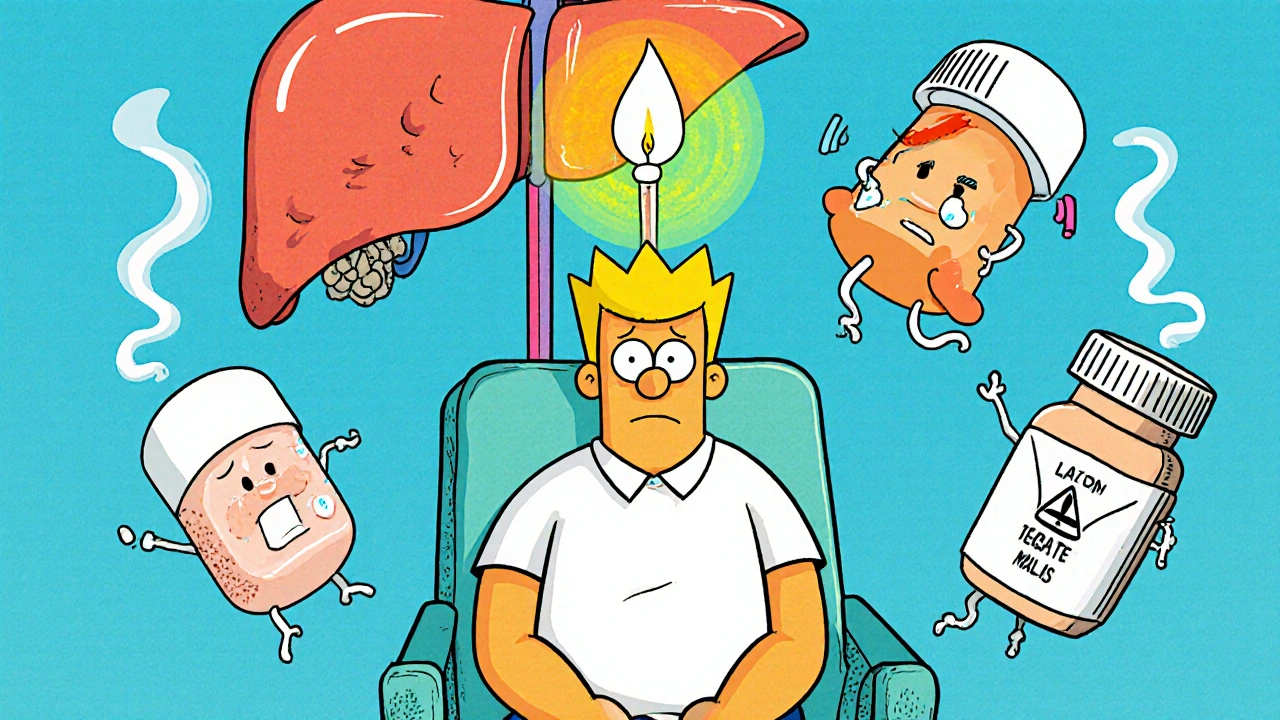

Psychiatric Medications: Class Interactions and Dangerous Combinations

Psychiatric Medications: Class Interactions and Dangerous Combinations

Martyn F. Nov. 19 10

Psychiatric drug interactions can be life-threatening. Learn which combinations-like SSRIs with MAO inhibitors or lithium with NSAIDs-carry the highest risks, how to spot serotonin syndrome, and what steps you and your care team can take to stay safe.

More Detail
Recent posts
Managing Jock Itch in Seniors: Causes, Symptoms, and Effective Treatments

Jock itch, although common in athletes, can also affect older adults. This article explores the causes, symptoms, and effective treatment options for managing jock itch in seniors. Learn how to identify the signs early and discover helpful tips to alleviate discomfort.

Levothyroxine and Menopause: What Women Should Know

As a woman going through menopause, it's important to understand the role of levothyroxine, a hormone replacement drug often used to treat an underactive thyroid. Many of us may experience symptoms that mimic those of menopause, such as hot flashes, mood swings, and fatigue, which can be confusing. It's crucial to consult with your doctor if you're taking levothyroxine and entering menopause, as adjustments to your dosage may be needed. Remember, it's all about balance and ensuring your body is getting what it needs during this transitional phase. Always seek professional advice to navigate these changes smoothly and maintain your well-being.

Rasagiline and Pain Management: Can It Help with Parkinson's Disease-Related Pain?

Rasagiline is primarily used to treat symptoms of Parkinson's Disease, but can it also help manage related pain? This article explores how effective rasagiline might be in dealing with one of the lesser-known challenges of Parkinson's. Dive into how this medicine works, potential benefits, and what current research suggests about its efficacy for pain relief. Get tips on combining it with other treatments for better results.

About Us

Pharmaceuticals