Tretiva Alternatives – Your Guide to Safer Skin‑Care Options
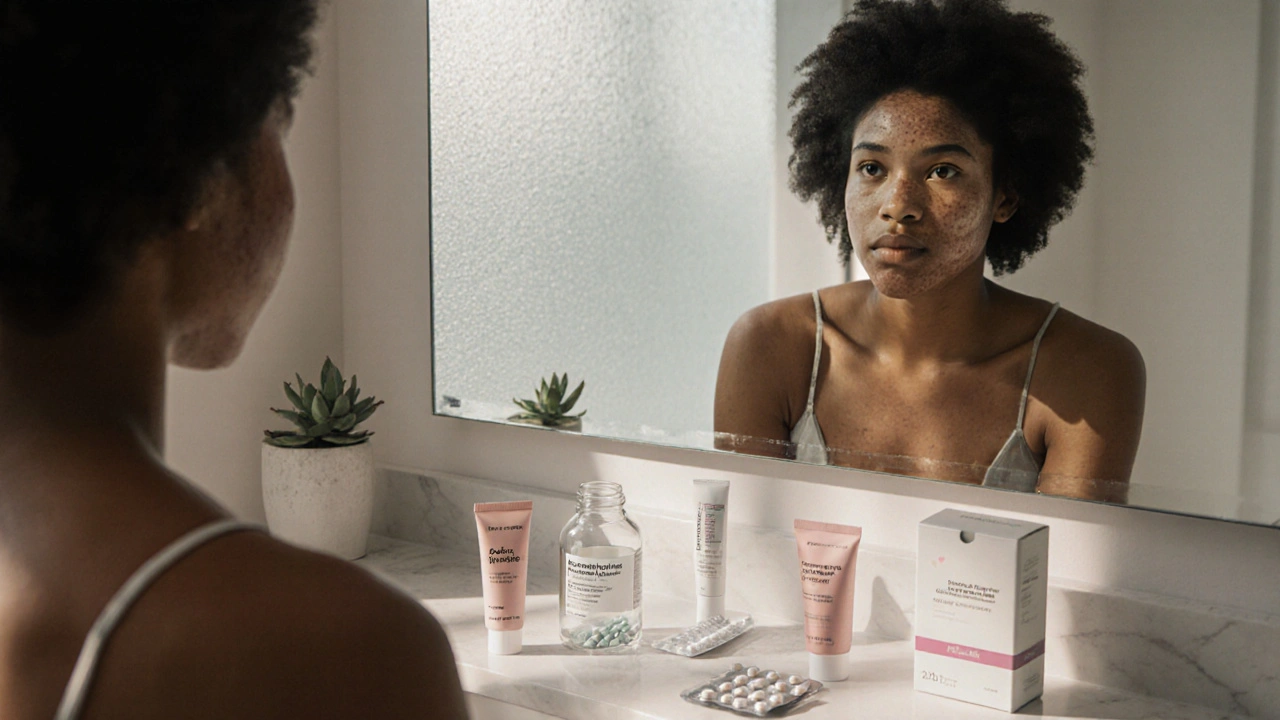
When looking at Tretiva alternatives, non‑prescription or lower‑risk treatments that can replace the prescription retinoid known as Tretiva (a brand of tretinoin). Also called tretinoin substitutes, they aim to deliver similar skin‑renewal benefits without the intense irritation some users experience. Tretinoin is a Vitamin A‑derived compound that speeds up cell turnover, while broader retinoids include a family of related molecules used for acne, fine lines, and hyperpigmentation. Understanding how these entities intersect helps you pick a product that matches your tolerance level, budget, and skin goals.
Key Alternatives and How They Stack Up
One popular substitute is adapalene, a synthetic retinoid that offers similar comedolytic action but often causes less redness, making it a go‑to for beginners. Another option is bakuchiol, a plant‑based ingredient marketed as a “natural retinol” that mimics the anti‑aging pathways of tretinoin without the typical peeling. For those who need an over‑the‑counter route, niacinamide works on the skin barrier and reduces inflammation, complementing mild retinoid use. Finally, alpha‑hydroxy acids (AHAs) like glycolic acid exfoliate the surface layer, delivering smoother texture in a way that can be combined with low‑dose retinoids for a balanced regimen. These alternatives each have distinct attributes: adapalene is FDA‑approved for acne, bakuchiol is fragrance‑free and vegan, niacinamide supports barrier health, and AHAs provide rapid surface renewal. Choosing among them depends on your skin’s sensitivity, the specific condition you’re treating, and whether you prefer prescription strength or OTC simplicity.
Below you’ll find a curated list of articles that dive deeper into each alternative, compare dosing protocols, outline safety considerations, and suggest combo strategies for maximum results. Whether you’re curious about swapping out Tretiva for a gentler retinoid, exploring natural extracts, or learning how to layer acids safely, the posts ahead give you practical steps and evidence‑based advice you can apply right away.