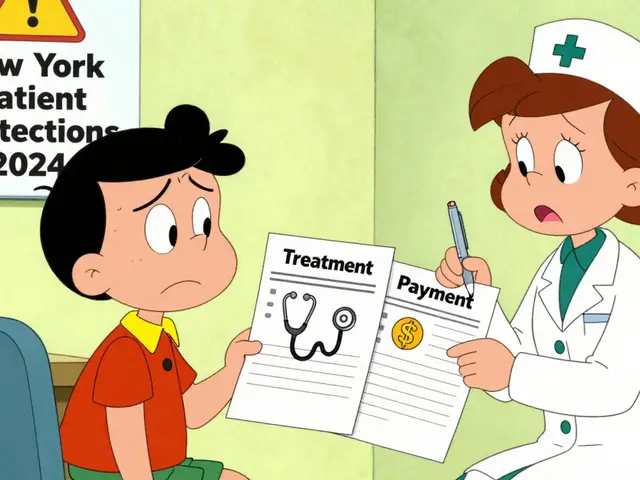
Imagine walking into a pharmacy where you pay exactly what the drug costs to make, with no hidden fees or middlemen taking a cut. That is the promise of the Direct-to-consumer generic pharmacies is a new business model where pharmaceutical companies or specialized platforms sell generic medications directly to patients, bypassing traditional intermediaries such as pharmacy benefit managers (PBMs), wholesalers, and retail pharmacies. This shift isn't just a trend; it is a fundamental restructuring of how medicine reaches people. The movement gained serious momentum after President Trump's May 12, 2025 executive order titled 'Delivering Most-Favored-Nation Prescription Drug Pricing to American Patients' (the 'MFN EO'). This order mandated drug manufacturers to match lower international drug prices and expand DTC programs. Now, in early 2026, the landscape looks very different from just two years ago.
How the New Model Works
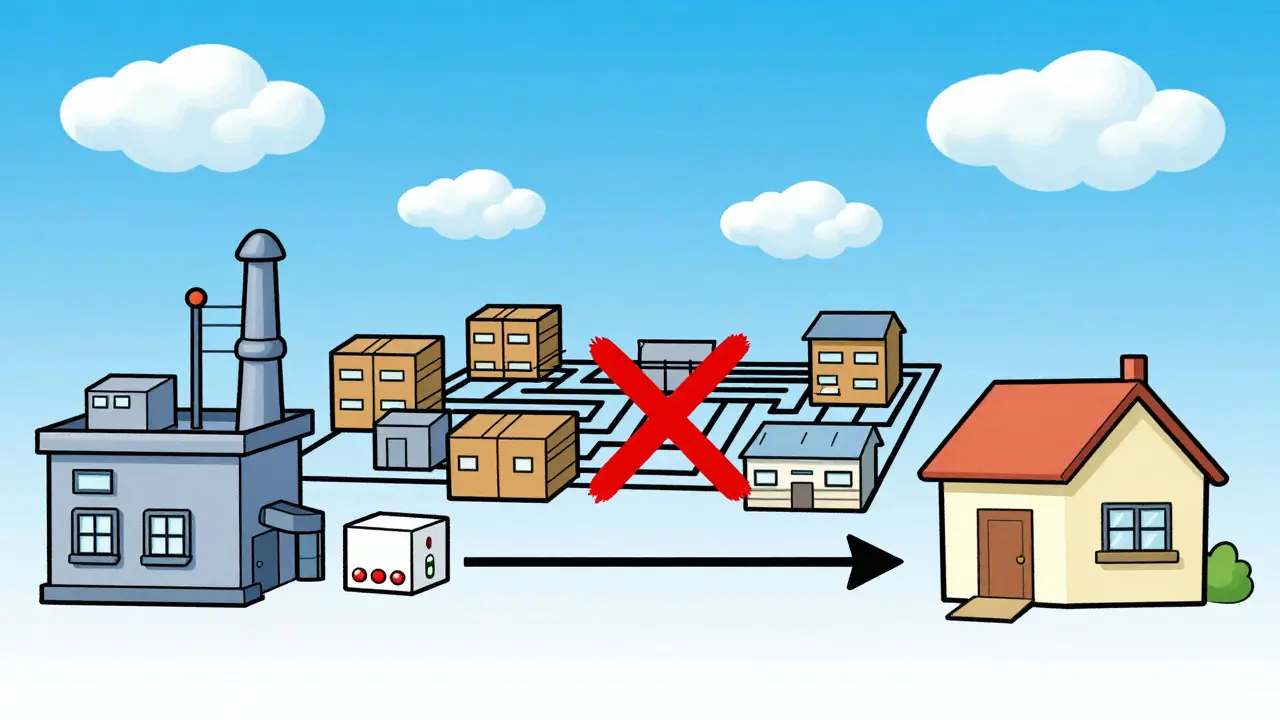
Traditional pharmacy distribution is like a long relay race. The manufacturer passes the drug to a wholesaler, who passes it to a PBM, then to a retailer, and finally to you. Each runner adds time and cost. In the old system, the 'Big Three' PBMs generated $28 billion in gross profit in 2024 alone, according to Techspert's June 2025 analysis. That money often comes from rebates that don't always reach the patient at the counter.
The DTC model cuts the line. Companies like Eli Lilly (with LillyDirect) and Pfizer (with PfizerForAll) launched integrated Direct-to-Patient (DTP) infrastructure platforms between 2024 and 2025. These platforms combine telehealth, e-prescribing, home delivery, and adherence support into one workflow. For generic medications specifically, the competitive landscape includes established DTC telehealth companies like Ro, Hims & Hers, and Honeybee Health. These platforms typically offer 30-50% discounts on generic medications compared to traditional pharmacy prices. The goal is simple: eliminate the middlemen to lower costs and increase transparency.
Key Players and Platforms
Who is actually running these new pharmacies? It is a mix of big pharmaceutical giants and agile tech startups. According to Galen Growth Research's September 9, 2025 update, LillyDirect and PfizerForAll are the only models currently spanning all five critical DTP elements: remote diagnosis, telehealth, online pharmacy & distribution, disease management, and Health InsurTech. They are not just selling pills; they are managing health journeys.
On the startup side, Ro processed approximately 2.1 million prescription orders in Q1 2025 according to its SEC filings. These companies pioneered cash-based generic medication delivery before the big pharma companies caught on. They focus heavily on user experience. A May 2025 survey by Drug Channels found that 73% of patients using DTC services for chronic conditions reported improved medication adherence. However, brand-name DTC programs show more modest 10-15% savings according to Drug Channels' March 2025 analysis, which suggests the biggest savings for consumers right now are in the generic-specific platforms.
| Feature | Traditional Pharmacy | DTC Generic Pharmacy |
|---|---|---|
| Intermediaries | Wholesalers, PBMs, Retailers | None (Direct) |
| Typical Savings | Varies by Insurance | 30-50% on Generics |
| Time to Therapy | Variable | Reduced by 3.7 days avg |
| Consultation | In-person Pharmacist | Telehealth/Virtual |
Technology Powering the Shift
You cannot run a pharmacy from a website without serious tech. The technical architecture of modern DTC pharmacy platforms integrates multiple advanced technologies. Cloud computing provides scalable, secure platforms for real-time data access enabling telehealth services and digital pharmacies. Data and analytics process large health datasets to track consumer behavior and predict health trends.
Artificial intelligence powers tools like medication reminder chatbots and health assistants that improve patient adherence. AI also provides predictive insights for early risk detection. Robust cybersecurity measures are essential to protect patient data and maintain regulatory compliance, particularly under HIPAA regulations. eCommerce and digital sales channels incorporate online ordering platforms and subscription models that improve medication accessibility while generating valuable consumer insights.
System compatibility requirements now typically include iOS 14+/Android 10+ mobile devices, web browsers supporting WebRTC for telehealth, and integration with major EHR systems including Epic, Cerner, and Allscripts. API-based integrations became the industry standard by Q2 2025 as documented in Debevoise's September 2025 analysis. This tech stack allows the most sophisticated DTP platforms to reduce time-to-therapy by an average of 3.7 days according to Galen Growth's patient journey mapping.
Costs, Savings, and Financial Reality
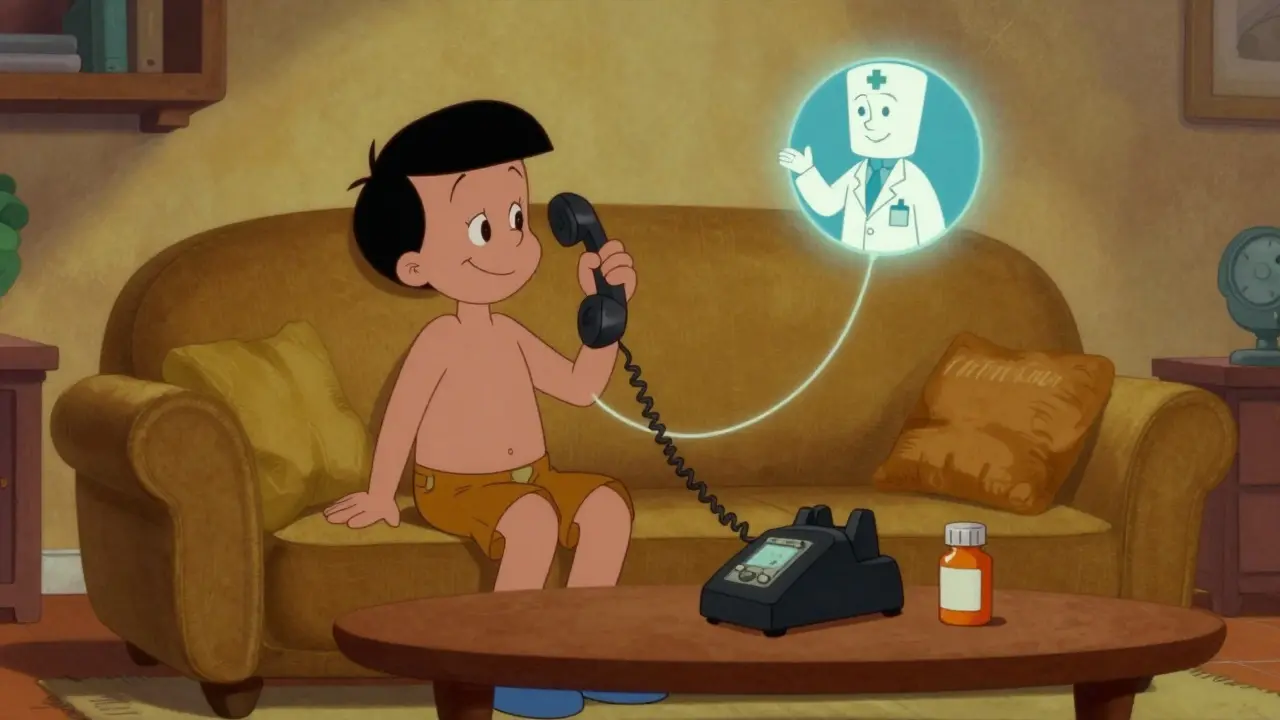
Everyone wants to know if this actually saves money. The answer depends on what you are buying and how you pay. For generic medications specifically, the competitive landscape differs as established DTC telehealth companies have pioneered cash-based generic medication delivery. These platforms typically offer 30-50% discounts on generic medications compared to traditional pharmacy prices. However, brand-name DTC programs show more modest 10-15% savings.
The pharmaceutical industry's primary motivation for DTC models is disintermediation of PBMs. Manufacturers claim they retain substantial rebates without passing sufficient savings to consumers, creating a significant 'gross-to-net' spread. By implementing DTC sales platforms, companies can bypass traditional distribution channels, potentially reducing supply chain costs by 15-25% according to EPAM's calculations. However, launching a compliant DTC program requires obtaining pharmacy licenses in all 50 states plus Washington D.C., a process that takes 14-18 months and costs approximately $2.3 million in legal and administrative expenses.
Market analysis shows rapid growth in DTC pharmacy models within the broader $600 billion U.S. prescription drug market. IQVIA reported that DTC pharmaceutical sales reached $18.7 billion in Q3 2025, representing 3.1% of total prescription sales, up from 0.8% in Q3 2023. This growth indicates that consumers are willing to pay cash for transparency, even if insurance coverage exists elsewhere.
Regulatory Hurdles and Safety Concerns
It is not all smooth sailing. Regulatory considerations remain the most significant barrier, with 47 states requiring specific DTC pharmacy licensing as of January 2025 according to the National Association of Boards of Pharmacy. Legal experts at Debevoise & Plimpton warn of heightened advertising and anti-kickback scrutiny. Compliance must be 'designed into product flows, not bolted on' as pharmaceutical companies navigate the Stark Law and Anti-Kickback Statute.
Safety is another major topic. Critics like Dr. Sarah Chen, Professor of Pharmacy at Johns Hopkins, warned in Drug Topics that 'Direct-to-consumer models risk bypassing pharmacists, raising concerns about patient safety and drug interactions' particularly for complex medication regimens. Drug Topics' October 2025 coverage documented 17 cases of potential drug interactions that might have been caught by pharmacist review. Leading platforms are staffing 1 pharmacist per 5,000 active patients as recommended by the National Association of Boards of Pharmacy to mitigate this risk.
Technical analysts from EPAM emphasized that 'streamlined supply chains and packaging reduce waste and environmental impact compared to traditional distribution models' but cautioned that cybersecurity vulnerabilities represent the single greatest risk to DTC platform viability. The Department of Justice opened investigations into potential anti-kickback violations in DTC programs as reported by STAT News in September 2025, though no major enforcement actions have been taken as of November 2025.
Patient Experience and Real Feedback
What do actual users think? User feedback from multiple platforms reveals mixed experiences. On Reddit's r/healthcare thread from October 15, 2025, user 'MedSavvy2025' reported saving $417.50 annually on generic blood pressure medication through Ro but complained about 'limited communication options when prescription issues arise.' Trustpilot reviews for Honeybee Health show a 3.8/5 average rating across 1,247 reviews as of November 2025.
The most common praise points across platforms include transparent pricing (cited in 61% of positive reviews), convenience of home delivery (57%), and simplified refill processes (49%). Frequent complaints include limited medication availability (38% of negative reviews), challenges with insurance integration (33%), and customer service response times exceeding 48 hours (29%). A May 2025 survey by Drug Channels found that 29% expressed concerns about lack of pharmacist consultation. This suggests that while the model works for simple refills, complex care still needs human oversight.
Are Direct-to-consumer generic pharmacies legal?
Yes, but they face strict regulations. As of January 2025, 47 states require specific DTC pharmacy licensing. Companies must navigate the Stark Law and Anti-Kickback Statute while maintaining HIPAA compliance for patient data.
Do DTC pharmacies save money compared to traditional ones?
For generic medications, savings are typically 30-50% compared to traditional pharmacy prices. Brand-name DTC programs show more modest 10-15% savings. However, this applies primarily to cash-pay pathways rather than insurance-processed claims.
Can I use insurance with DTC pharmacies?
Integration varies. 33% of negative reviews mention challenges with insurance integration. Many DTC models focus on cash-pay transparency, though some are developing hybrid models to accept insurance verification.
Is it safe to skip the local pharmacist?
Leading platforms staff 1 pharmacist per 5,000 active patients for consultation. However, critics warn about potential drug interactions in complex regimens that might be caught by in-person review. Simple refills are generally considered safe.
How long does delivery take?
Delivery times vary. One user noted waiting 5 business days for delivery versus 1 day at a local Walgreens. Sophisticated platforms aim to reduce time-to-therapy by an average of 3.7 days through streamlined workflows.
What Comes Next?
The industry trajectory points toward greater integration of DTC models with traditional channels rather than complete replacement. 83% of pharmaceutical executives surveyed by Galen Growth in August 2025 indicated they plan hybrid distribution strategies. Roche announced on July 24, 2025, that it is 'looking hard' at a DTC storefront for U.S. patients, joining Lilly, Novo Nordisk, and the Bristol Myers Squibb/Pfizer alliance.
Long-term viability assessments vary. If the PBM rebate column shrinks toward zero, valuation models, patient-journey maps, and R&D go-to-market plans all need rewrites. The most significant risk remains regulatory uncertainty. However, adoption rates show 27% of commercially insured patients have used a DTC pharmacy service at least once as of Q3 2025. The highest adoption is among patients with chronic conditions (41%) and those with high-deductible health plans (38%). This suggests the model is finding its niche where traditional insurance fails the patient most.