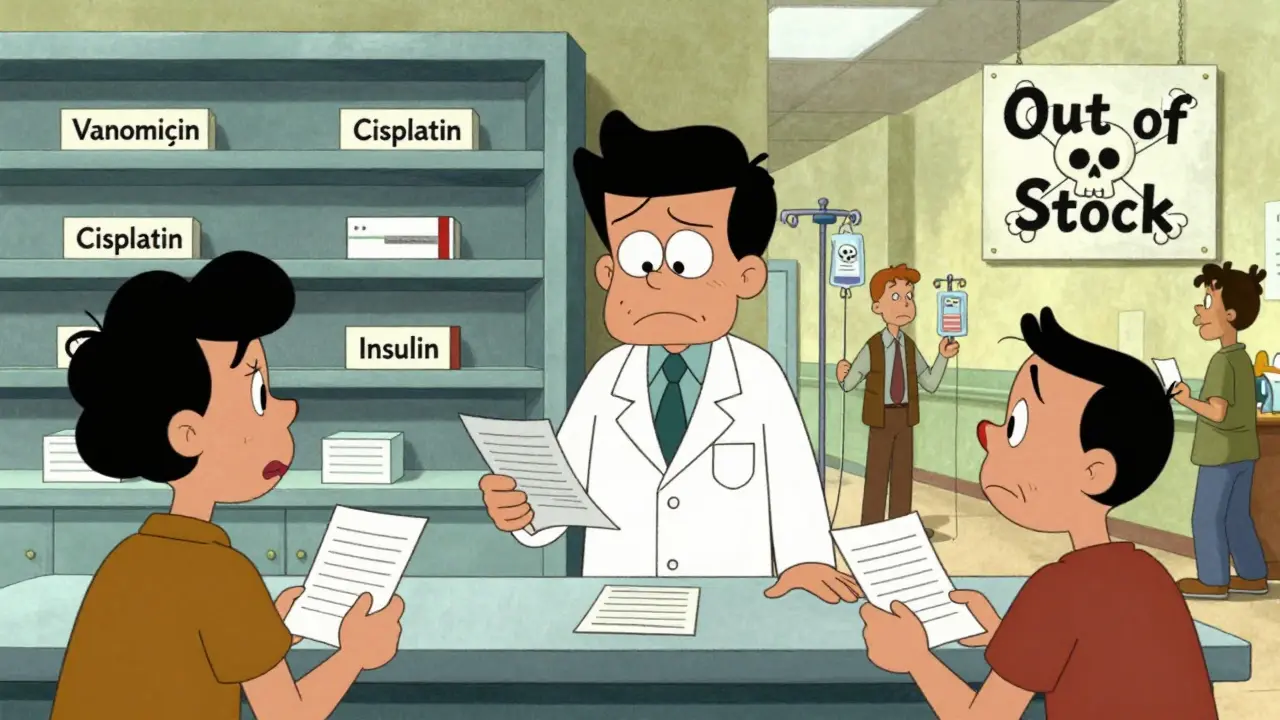
By January 2026, there are still 270 active drug shortages in the U.S.-and nearly all of them are generic medications. These aren’t rare glitches. They’re systemic failures that force hospitals to ration cancer drugs, pharmacies to turn away diabetic patients, and doctors to guess which alternative might work when the standard treatment simply isn’t there. The problem isn’t new, but it’s getting worse. And it’s not about lack of demand-it’s about broken economics.
Why Generic Drugs Are the First to Disappear
Generic drugs make up 90% of all prescriptions filled in the U.S. But they account for more than 70% of all drug shortages. Why? Because they’re cheap to buy, but expensive to make. A typical generic drug earns manufacturers just 5-10% gross profit, compared to 30-40% for brand-name drugs. That’s not enough to cover the cost of maintaining clean, sterile production lines-especially for injectables like vancomycin or cisplatin. These drugs require isolated facilities, rigorous testing, and constant monitoring. One small contamination can shut down a whole plant for months. And there’s often only one or two companies making each generic. The FDA says about 70% of generic drugs have just one approved manufacturer. If that one plant has a quality issue, or a power outage, or a supply delay from India or China, the entire country runs out. Over 80% of the active ingredients in U.S. drugs come from just two countries: China and India. These facilities face increasing FDA inspection citations-up 35% since 2020. But because generics are sold at rock-bottom prices, companies can’t afford to upgrade equipment or hire extra staff to meet standards. They cut corners. And when they do, the FDA halts production. The cycle repeats.What Happens When a Drug Vanishes
When a generic drug disappears, patients don’t get a substitute with the same price tag. They get something more expensive, less effective, or both. Take cisplatin, a chemotherapy drug used for lung, ovarian, and testicular cancers. In 2024, hospitals across the U.S. reported running out for months. Some switched to carboplatin, which is less toxic but also less effective for certain cancers. Others delayed treatments. A 2024 survey by the American Hospital Association found that 67% of cancer centers had to change chemotherapy regimens because of shortages. That’s not a minor adjustment-it’s a risk to survival. For patients with chronic conditions, the impact is just as serious. Vancomycin, a last-resort antibiotic for MRSA infections, has been out of stock in many hospitals for over a year. Pharmacists are forced to use alternatives like linezolid, which costs three times as much and can cause serious side effects. One hospital pharmacist on Reddit wrote: “We’ve been out of vancomycin powder for eight months. We’re using drugs we don’t fully trust. Patients are getting sicker because we can’t give them what they need.” Even non-critical drugs cause chaos. Pain management patients are being denied refills of generic opioids because suppliers can’t keep up. Emergency rooms are seeing more visits from people whose pain spiraled out of control. Independent pharmacies report that 43% of patients simply give up on filling prescriptions when the drug isn’t available-and they can’t afford the expensive alternative.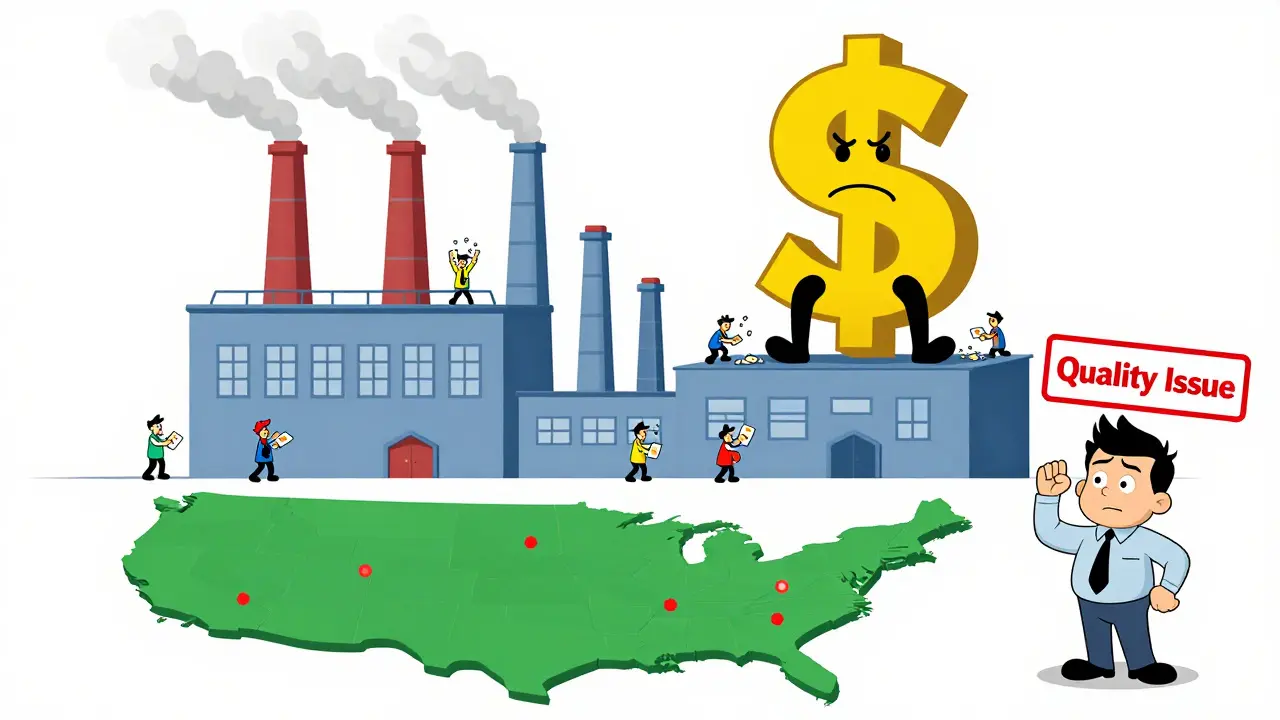
The Hidden Cost of Shortages
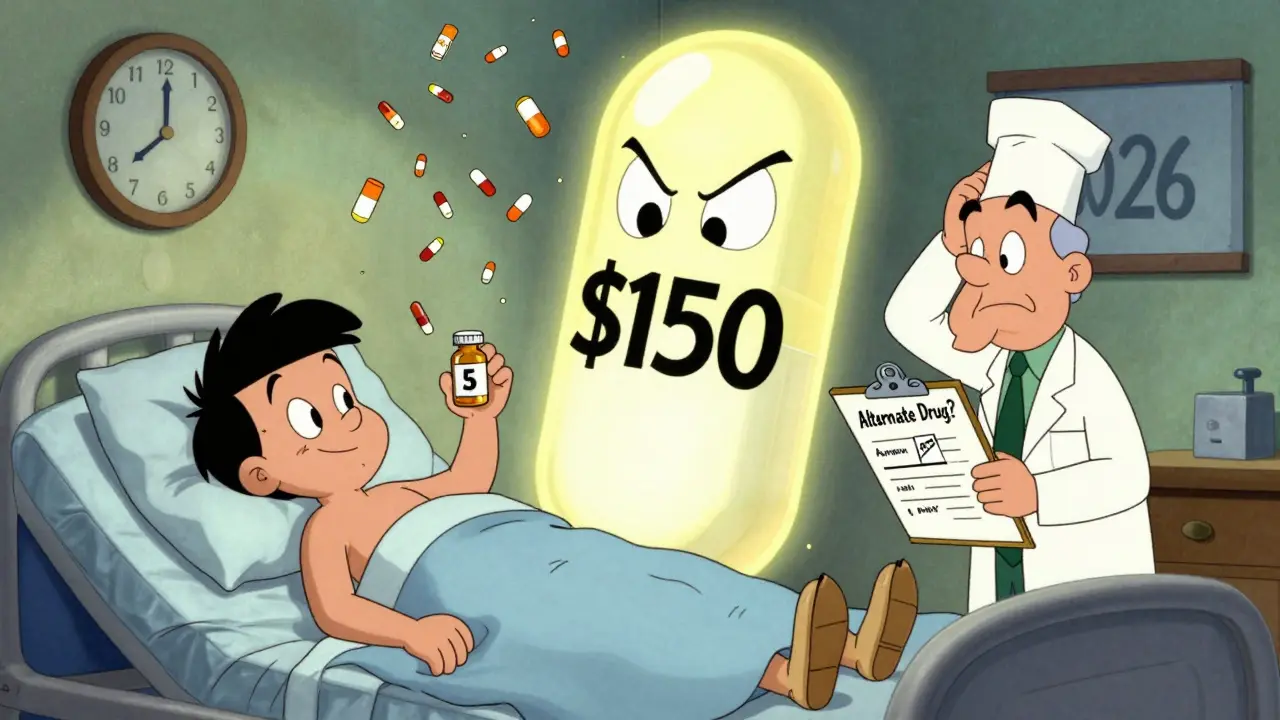
The human toll is obvious. But the financial burden on the system is massive. Pharmacists now spend 15-20 hours a week managing shortages. That’s not time spent counseling patients or checking for dangerous interactions. It’s time spent calling distributors, checking inventory across five states, updating electronic records, and training staff on new protocols. Hospitals report that drug shortages have made staffing shortages worse-72% say their pharmacists are overwhelmed. Hospitals spend an estimated $213 million a year just managing these disruptions. That includes buying drugs at inflated prices, paying for expedited shipping, training staff, and documenting every change. One facility might switch from one generic insulin to another, then to a brand-name version, then back again-all within a few months. Each switch requires new orders, new labels, new training, and new safety checks. And the price hikes? They’re not small. Generic drugs in shortage see a median price increase of 14.6%. But the substitutes? They can jump by 300% or more. A patient who paid $5 for a generic antibiotic might now pay $150 for the alternative. Insurance doesn’t always cover it. Many patients just don’t fill the prescription.