Imagine landing in a beautiful coastal village in Italy or a bustling market in Thailand, only to be hit with a sudden bout of food poisoning or a painful allergic reaction to a local insect. It's a nightmare scenario that can turn a dream vacation into a stressful search for a pharmacy in a language you don't speak. You don't need to pack your entire medicine cabinet, but having a curated travel medication kit ensures you can handle minor hiccups without spending your trip in a foreign clinic.
| Category | Key Items | Purpose |
|---|---|---|
| Pain & Fever | Ibuprofen, Acetaminophen | Headaches, muscle aches, fever |
| Stomach Issues | Loperamide, ORS packets, Antacids | Diarrhea, dehydration, heartburn |
| Skin & Allergy | Loratadine, Hydrocortisone, Bandages | Itches, rashes, minor cuts |
| Destination Specific | Water tablets, DEET, Acetazolamide | Water safety, bugs, altitude |
The Core Essentials for Every Traveler
Regardless of where you're heading, there are a few "non-negotiables" that should be in every kit. These address the most common ailments that strike when we're out of our routine.
First, tackle pain and inflammation. Ibuprofen is a versatile choice for reducing swelling and pain, while Acetaminophen is better for fevers and general headaches. A good rule of thumb is to pack at least 10-20 tablets of each. If you're prone to muscle soreness from walking 10 miles a day in a new city, these will be your best friends.
Next, consider your digestive health. Travelers' diarrhea is a classic trip-ruiner. To fight this, include Loperamide (often sold as Imodium), which helps slow down your system. However, the real MVP here is Oral Rehydration Salts (ORS). When you're dehydrated, plain water isn't always enough; these packets replace critical electrolytes. If you frequently experience heartburn from trying adventurous new street foods, keep a few calcium carbonate antacids or famotidine tablets on hand.
Finally, don't ignore the skin. A mix of adhesive bandages in various sizes, a few 4x4 inch gauze pads, and a small tube of antibacterial ointment like bacitracin can prevent a tiny blister from becoming a major infection. For those sudden itchy red bumps, a 1% hydrocortisone cream and a non-drowsy antihistamine like Loratadine or cetirizine will keep you from scratching your skin raw during a long flight or hike.
Customizing Your Kit for the Destination
A trip to the Swiss Alps requires a very different kit than a trip to the Amazon rainforest. Customizing your supplies prevents you from carrying unnecessary weight while ensuring you're actually protected.
If you're heading to high-altitude regions, you might need Acetazolamide to help prevent altitude sickness. On the other hand, if you're visiting tropical areas where water quality is questionable, water purification tablets are a must. Pair these with a DEET-based insect repellent (aim for 20-30% concentration) to ward off mosquitoes and ticks that carry diseases.
For those who love the outdoors, like hiking in national parks, add specific "trail gear" to your kit. Blister pads (hydrocolloid bandages) are far more effective than standard band-aids for hiking boots. If you're camping, bring a larger supply of wound cleanser, such as chlorhexidine, since you won't have a sink nearby to wash out a scrape.
Managing Prescription Medications Safely
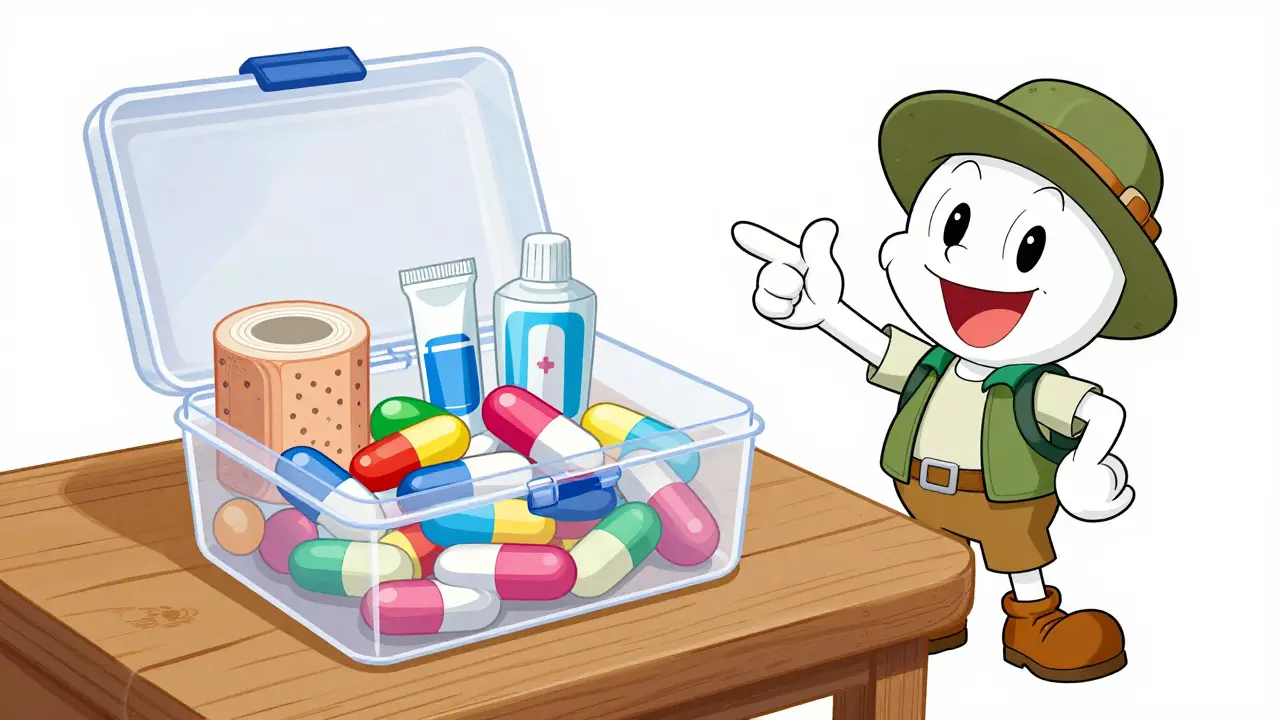
Prescriptions are the most critical part of your kit. The biggest mistake travelers make is packing exactly the number of pills they need for the trip. What happens if your flight is canceled or you get stranded for three days?
A smart strategy is to pack twice as much medication as you think you'll need. Split this supply between two separate bags-keep one in your carry-on and one in your checked luggage. If one bag gets lost, you aren't left without your life-saving medication.
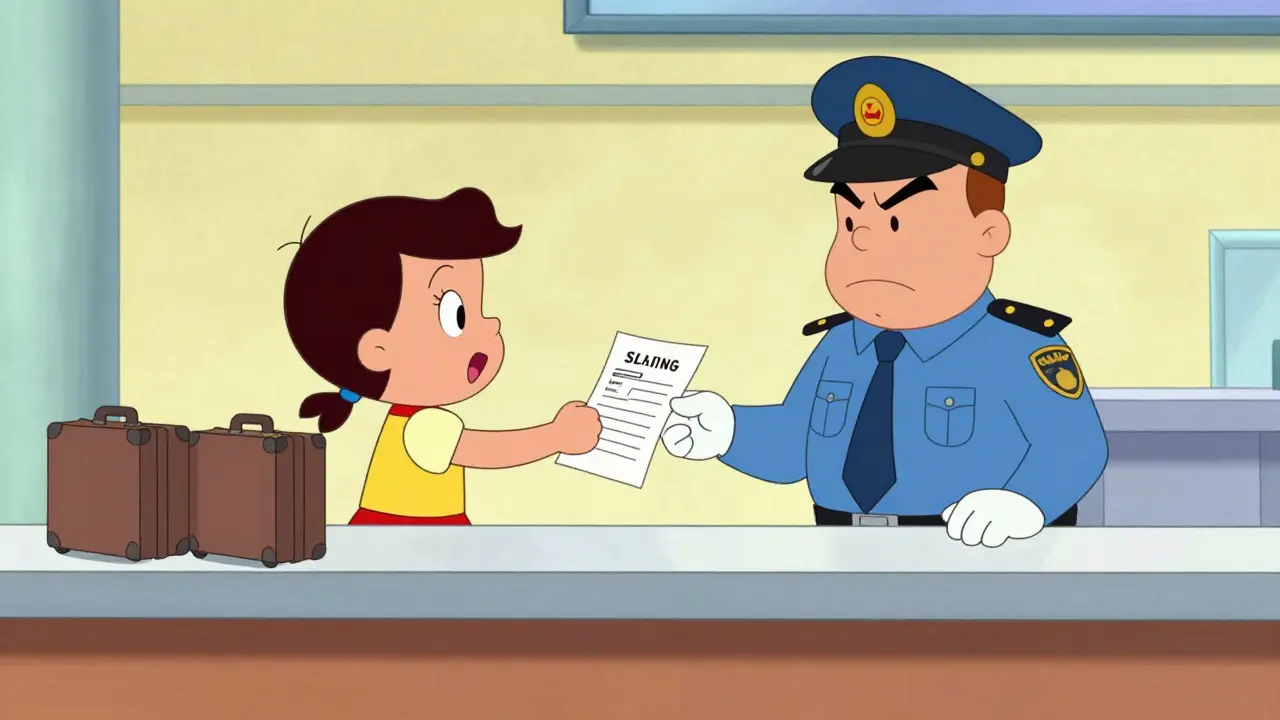
Documentation is just as important as the pills themselves. Generic Names are your secret weapon here. Trade names (the brand names) vary by country. A pharmacist in Japan might not recognize a US brand name, but they will recognize the generic chemical name. Always carry a printed list of your medications, the dosages, and a signed letter from your doctor explaining why you need them. This is especially crucial for those carrying needles or syringes for diabetes, as customs agents may require a medical justification letter to let them through.
Legal Hurdles and International Regulations
You might be surprised to learn that a common over-the-counter cold medicine in the US could be illegal in another country. For instance, some countries have very strict laws against pseudoephedrine. If you're traveling to Japan or the Middle East, it's worth checking with the local embassy or consulate before you pack.
When crossing borders, keep your medications in their original packaging. It proves the medicine belongs to you and makes it easier for customs officers to identify the drug. If you're using a pill organizer for convenience, still carry the original prescription or the pharmacy printout to avoid any misunderstandings at the border.
Pro Tips for Organization and Storage
Don't just throw everything into a plastic bag where bottles will crush and pills will spill. Use a waterproof, squash-proof clear plastic box. This lets you see exactly what you have without dumping the whole kit on a hotel bed.
Be mindful of temperature. Some medications, like insulin, can degrade if they get too hot (specifically above 86°F or 30°C). Use an insulated pouch or a travel cooler if you're heading to a hot climate. Also, remember that the TSA has rules about what goes in your carry-on. While pills are fine, items like scissors, large tweezers, or safety pins should go in your checked luggage to avoid a security headache.
Lastly, create a "Emergency Contact Card." This should include the phone numbers and emails of your family, your primary healthcare provider, and the address of the U.S. Embassy or local consulate in your destination. If you're incapacitated, this card tells the local medical staff exactly who to call and where you're staying.
Should I bring antibiotics on my trip?
You should only bring antibiotics if they are prescribed by your doctor specifically for travel, such as a course of ciprofloxacin or azithromycin for severe traveler's diarrhea. Never take leftover antibiotics or someone else's prescription, as using the wrong drug can make the infection worse or lead to antibiotic resistance.
How do I handle medications for infants and toddlers?
Adult medications are not safe for children under 2 years old. You must pack a dedicated infant first-aid kit with age-appropriate formulations. Always consult your pediatrician for the exact dosage based on your child's current weight before you leave.
What is the best way to store medicines in hot climates?
Keep medicines in a cool, dry place away from direct sunlight. For heat-sensitive drugs like insulin, use a specialized medical cooling pouch. Avoid leaving your kit in a hot car or near a sunny window in your hotel room.
Do I need a doctor's note for all my medications?
While not always required for basic OTC meds, it is highly recommended for all prescription drugs. A doctor's letter stating the medicine is for personal use, the dosage, and the generic name helps avoid issues with customs and ensures you can get a replacement if your meds are lost.
What happens if I lose my medication during the trip?
This is why you should split your medication between your carry-on and checked bag. If you still lose everything, use your printed list of generic names to seek help at a local pharmacy or clinic. Having your doctor's contact info and a copy of the prescription will make this process much faster.
Next Steps for Your Trip
Depending on who you are traveling with, your final steps will vary. If you are a solo adventurer, focus on the "destination-specific" items like water purification and altitude meds. If you're traveling with kids, schedule a pediatrician visit now to get the right liquid formulations and dosages.
For everyone, the most important move is to check your vaccination status. A medication kit treats symptoms, but vaccines prevent the illness in the first place. Visit your healthcare provider at least four to six weeks before departure to ensure your shots are up to date for your specific region.