When a brand-name drug’s patent expires, you’d expect generic versions to hit the market quickly-cheaper, just as effective, and widely available. But in reality, many generics face a legal wall that can delay their entry for years. This isn’t about innovation. It’s about patent litigation-a system meant to balance competition and reward, but increasingly used as a tool to block generic drugs from reaching patients.
How the System Was Supposed to Work
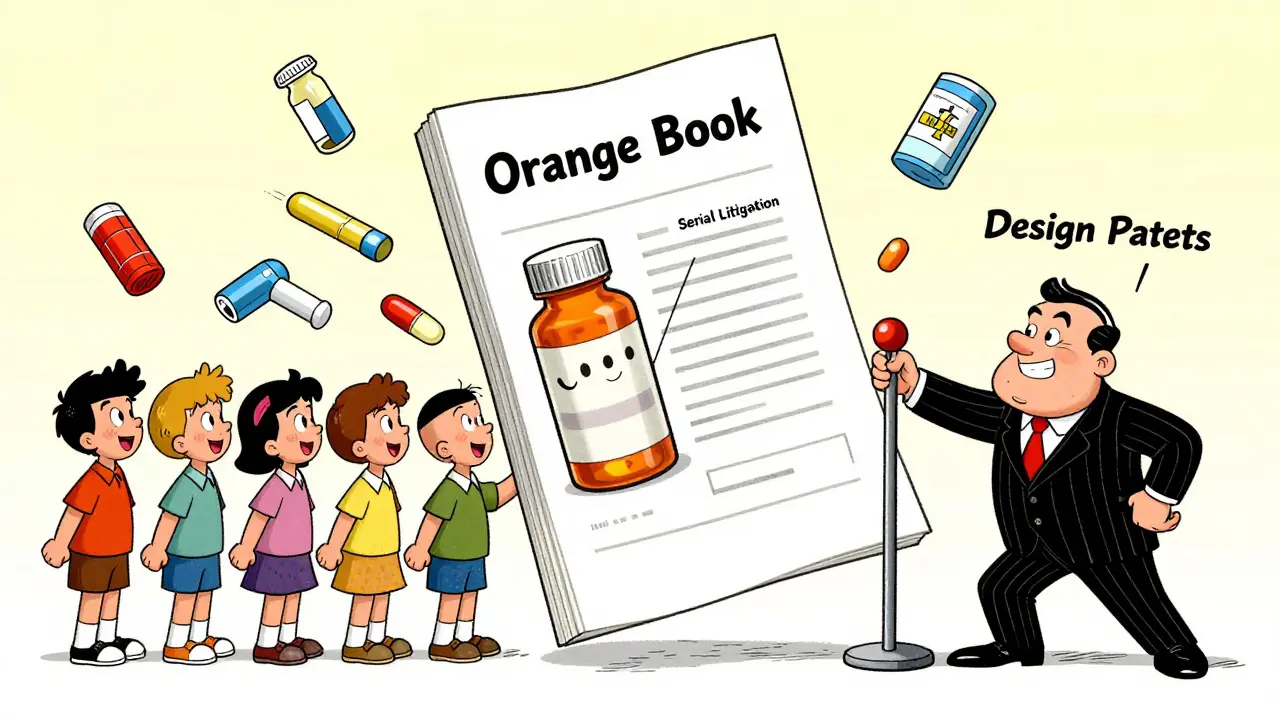
The foundation of generic drug approval in the U.S. is the Hatch-Waxman Act of 1984. It created a clear path: generic manufacturers could file an Abbreviated New Drug Application (ANDA) without repeating expensive clinical trials. But if they believed a brand-name drug’s patent was invalid or wouldn’t be infringed, they could file what’s called a Paragraph IV certification. That triggered a 30-day clock for the brand company to sue. If they did, the FDA was legally required to delay approval of the generic for up to 30 months-no matter how weak the patent claim was. This wasn’t meant to be a delay tactic. It was supposed to be a fair pause while courts sorted out real disputes. But over time, the system got twisted. Brand companies started listing patents that had nothing to do with the actual drug. Things like the shape of the pill bottle, the software in an inhaler’s dose counter, or even the color of the packaging. These aren’t drug patents-they’re device or design patents. But they still get listed in the FDA’s Orange Book, the official catalog of patents tied to brand drugs. And once listed, they trigger that 30-month stay.The Orange Book Game
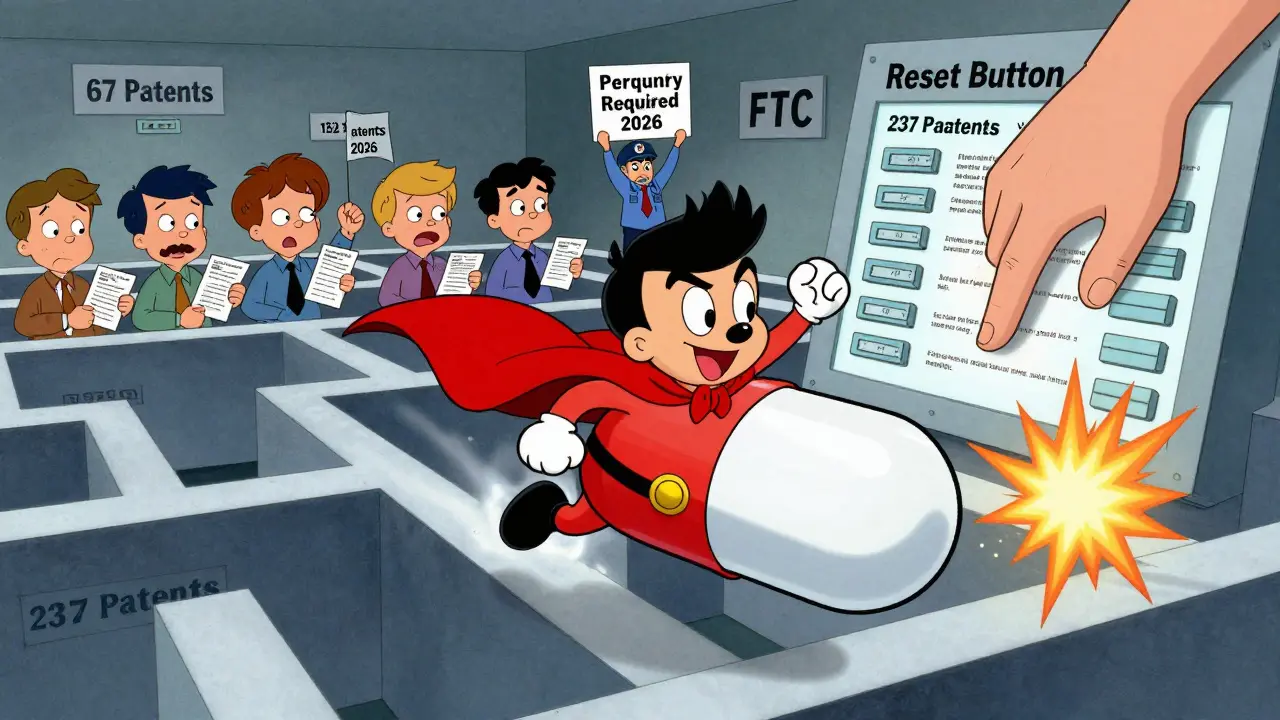
The Orange Book is supposed to list only patents covering the active ingredient, formulation, or method of use. But in practice, companies list almost anything they can. In 2025, the Association for Accessible Medicines (AAM) found that nearly 40% of patents listed for certain drugs were for ancillary components-not the medicine itself. Take ProAir® HFA, an asthma inhaler. Teva filed a Paragraph IV challenge, but Amneal had listed six patents covering the inhaler’s dose counter. In early 2025, Judge Chesler in New Jersey ruled those patents didn’t qualify. The drug was albuterol sulfate. The counter? A delivery device. Not part of the drug. So it shouldn’t be in the Orange Book. That ruling was a big deal. It’s now being used as precedent to challenge hundreds of similar listings. Skadden’s analysis estimates 15-20% of all Orange Book patents could be invalid under this standard. The FDA is responding. New rules, expected in Q2 2026, will require brand companies to certify under penalty of perjury that every patent they list meets the legal standard. That’s a shift from “trust us” to “prove it or lose it.”Serial Litigation: The Long Game
It’s not enough to file one patent and wait. Some brand companies play a game of whack-a-mole with patents. They hold back some patents, file them later, then sue again when the first case ends. This is called serial litigation. AAM’s 2025 report documented ten cases where this tactic delayed generic entry by 7 to 10 years after the original patent expired. One of the most extreme examples is Eliquis (apixaban), a blood thinner. It has 67 patents protecting a single drug. Semaglutide (Ozempic, Wegovy, Rybelsus) has 152. Oncology drugs average 237 patents per product. These aren’t all new inventions. Many are minor variations-different salt forms, dosing schedules, or packaging. But each one can trigger another 30-month delay. The result? The average time from brand approval to first generic entry has doubled since 2005-from 14 months to 28 months. For cancer drugs, it’s now over five years after patent expiry before generics appear.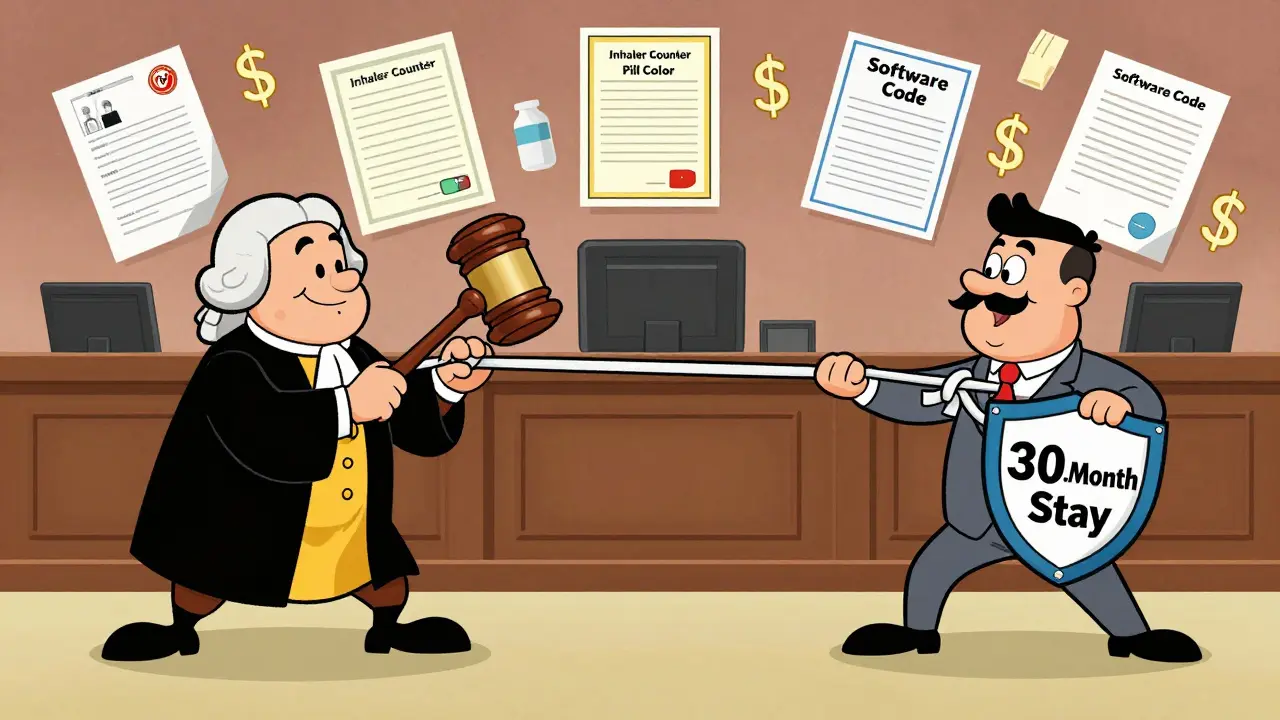
Where the Lawsuits Happen
Not all courts are created equal. In the past, the District of Delaware was the go-to for pharma patent cases. Then came the Eastern District of Texas. After a 2017 Supreme Court decision (TC Heartland) tried to curb forum shopping, Texas lost steam. But by 2024, it was back on top. According to Lex Machina, 38% of all patent cases were filed there-more than double the Western District of Texas and far ahead of Delaware. Why? Experienced judges, faster timelines, and a reputation for being pro-patentee. Generic manufacturers hate it. Brand companies love it. The venue choice isn’t about where the dispute happened-it’s about where you think you’ll win.Settlements: Pay-for-Delay or Faster Access?
When a generic company sues, the brand company can settle. But settlements aren’t always fair. The FTC has spent years chasing “pay-for-delay” deals-where the brand pays the generic to stay off the market. In these deals, the generic gets millions to delay launch, even if its patent challenge is strong. The FTC called it anticompetitive. In 2024 alone, they challenged over 300 improper Orange Book listings and sent warning letters to 200 more patents across 17 drugs. But here’s the twist. A 2025 IQVIA report commissioned by AAM found something surprising: when brand and generic companies settle, generics enter the market an average of five years earlier than if they’d fought it out in court. Why? Because litigation is expensive and risky. Generic companies often don’t have the cash to fight 10-year legal battles. A settlement-even with a payment-lets them launch sooner than waiting for a court to rule, which could take years or end in defeat. John T. O’Donnell, an industry analyst, put it bluntly: “If you limit a generic manufacturer’s ability to settle, that manufacturer does not settle fewer cases-it submits fewer Paragraph IV ANDAs.” In other words, the threat of legal chaos discourages generics from even trying.