What Is Medication-Induced Delirium?
Medication-induced delirium is a sudden, temporary state of confusion that happens when certain drugs disrupt brain function in older adults. It’s not dementia. It’s not just being forgetful. It’s a sharp, noticeable change - like someone who was clear-headed and alert one day, then becomes disoriented, withdrawn, or agitated the next. This isn’t normal aging. It’s a medical emergency that often goes unnoticed because symptoms are mistaken for dementia getting worse or depression.
It’s the most common reversible cause of confusion in seniors over 65, especially in hospitals and nursing homes. Around 1 in 5 older adults admitted to the hospital develop it. For those over 85, the risk jumps to more than double. And while it can happen anywhere, it’s most frequent in intensive care units, where up to 80% of older patients may experience it.
Why Does It Happen?
The brain of an older adult is more sensitive to changes in chemistry. As we age, our bodies process drugs differently. The liver and kidneys don’t clear medications as quickly. The blood-brain barrier becomes more permeable. And many older adults are already dealing with reduced levels of acetylcholine - a key brain chemical for memory and attention.
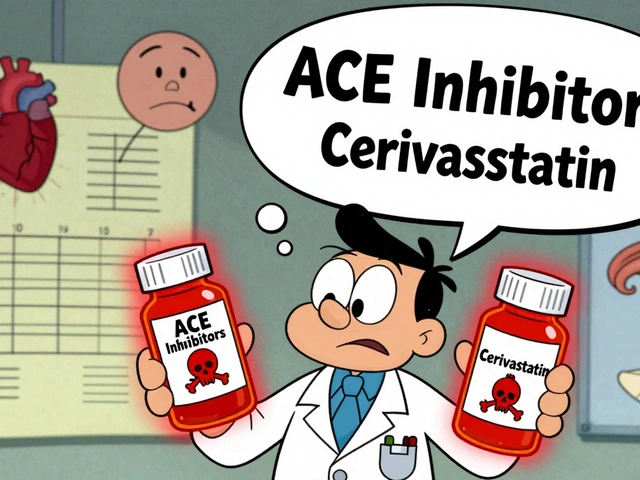
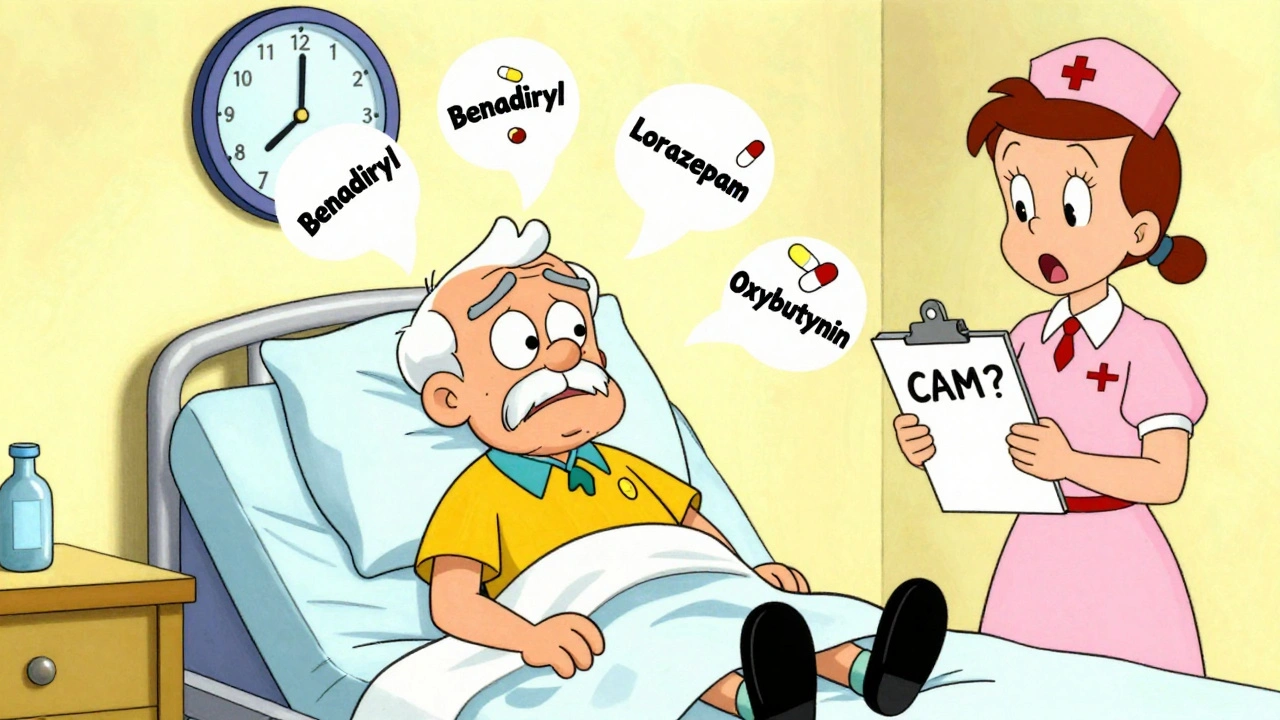
When medications that block acetylcholine - called anticholinergics - are added, they push the brain past its limit. This is why drugs like diphenhydramine (Benadryl), oxybutynin (for overactive bladder), and amitriptyline (an old antidepressant) are among the biggest culprits. The American Geriatrics Society’s Beers Criteria® lists 56 medications to avoid in seniors for this very reason.
Other high-risk drugs include benzodiazepines like lorazepam and diazepam. These are often given for anxiety or sleep, but they increase delirium risk by three times. Even short-term use can trigger it. Opioids, especially meperidine and morphine, also play a role. Hydromorphone is a safer alternative - it causes 27% less delirium at the same pain-relieving dose.
It’s not just one drug. The risk multiplies. Seniors taking three or more anticholinergic medications have nearly five times the risk of delirium compared to those taking none. Polypharmacy - taking five or more drugs - is a major red flag.
The Three Faces of Delirium
Delirium doesn’t look the same in everyone. There are three types:
- Hyperactive delirium - The person is restless, agitated, hallucinating, or yelling. This one is easier to spot.
- Hypoactive delirium - The person is quiet, withdrawn, sleepy, or unresponsive. They might sit for hours without speaking. This is the most common type in older adults - making up 72% of cases - and it’s often missed entirely.
- Mixed delirium - The person switches between hyperactive and hypoactive states throughout the day.
Because hypoactive delirium looks like tiredness or depression, caregivers and even doctors may think, "They’re just getting older." But the change is sudden. A 78-year-old who used to read the paper every morning and chat with neighbors suddenly sits in a chair, stares at the wall, and doesn’t respond when spoken to. That’s not normal. That’s delirium.
How Fast Does It Happen?
Timing matters. Delirium doesn’t creep in slowly. It shows up fast.
- Benzodiazepines: Symptoms often appear within 24 to 72 hours.
- Anticholinergics: May take 3 to 7 days, which is why it’s easy to blame the drug for something else.
One study found that 89% of caregivers noticed a complete personality shift within 48 hours of starting a new high-risk medication. That’s not coincidence. That’s a direct signal.
And if it’s not caught early, the damage lasts. Hospital stays get longer - by an average of eight days. Recovery takes months. Six months after discharge, many seniors still struggle with memory, walking, and daily tasks. And the death rate? Twice as high as for seniors without delirium.
Who’s Most at Risk?
It’s not just about age. Certain factors make delirium much more likely:
- Pre-existing dementia or cognitive decline
- History of previous delirium episodes
- Severe illness, infection, or dehydration
- Vision or hearing loss
- Being in an unfamiliar environment - like a hospital room
- Taking four or more medications
- Alcohol or sedative withdrawal
Seniors with dementia are especially vulnerable. When they develop medication-induced delirium, it lasts an average of 8.2 days - almost twice as long as in those with normal cognition.
How to Prevent It
The good news? Medication-induced delirium is one of the most preventable conditions in older adults. Here’s how:
1. Review Every Medication
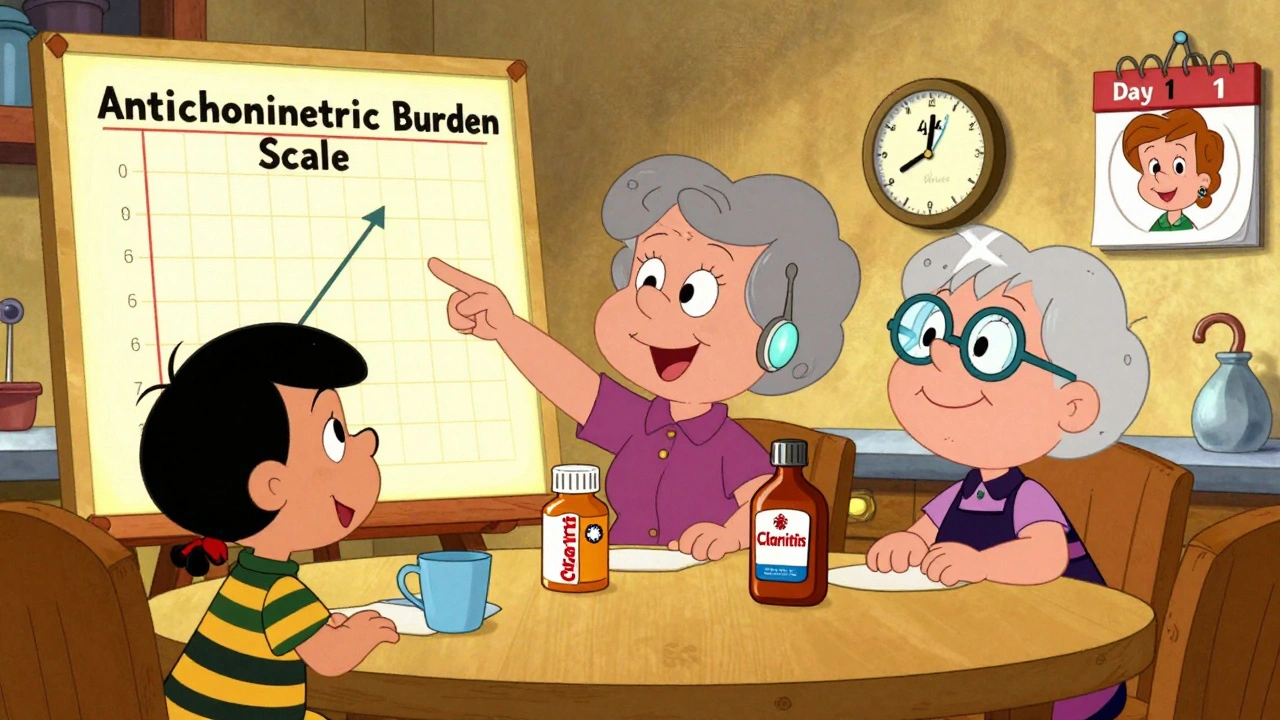
Ask the doctor or pharmacist: "Which of these drugs could be affecting my brain?" Use the Anticholinergic Cognitive Burden Scale (ACB). A score of 3 or higher means high risk. Common high-score drugs include diphenhydramine, oxybutynin, tolterodine, and tricyclic antidepressants.
2. Avoid High-Risk Drugs Altogether
Replace diphenhydramine with loratadine (Claritin) for allergies. Swap oxybutynin for mirabegron for bladder issues. Use non-drug methods for sleep - like better lighting, regular routines, and avoiding caffeine after noon.
3. Use Safer Pain Management
Opioids aren’t always necessary. Combine acetaminophen with heat, massage, or physical therapy. Studies show this cuts opioid use by 37%, which directly lowers delirium risk.
4. Taper, Don’t Quit
If someone’s been on a benzodiazepine for weeks, don’t stop it cold. Abrupt withdrawal can cause delirium tremens - a life-threatening form of delirium. Taper slowly over 7 to 14 days under medical supervision.
5. Use the STOPP/START Guidelines
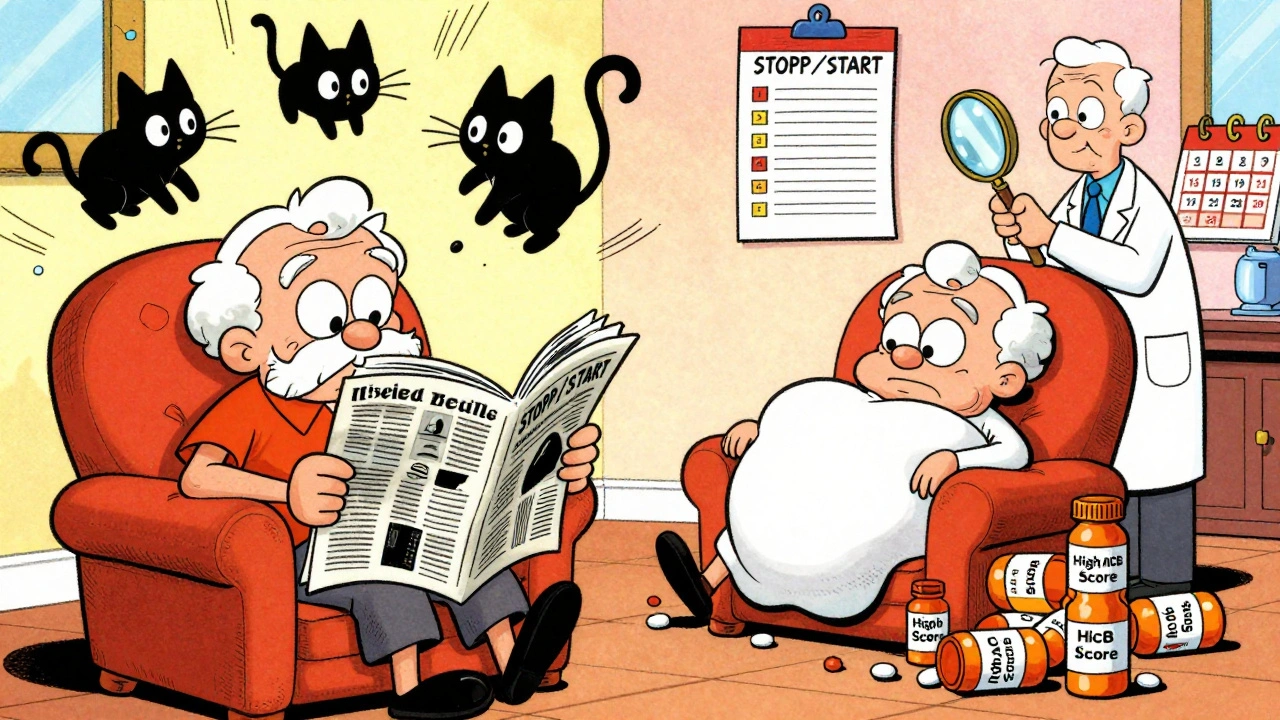
This is a tool doctors use to find inappropriate medications (STOPP) and missing ones that should be added (START). Hospitals using this method cut delirium rates by 26%.
6. Keep the Person Oriented
Keep glasses and hearing aids on. Put up a clock and calendar. Have familiar faces visit. Keep the room quiet and well-lit. These simple things reduce confusion.
7. Screen Daily
The Confusion Assessment Method (CAM) is a quick 5-minute tool used by nurses to spot delirium. Yet only 35% of hospital staff can recognize hypoactive delirium correctly. Ask for the CAM to be used every day.
What to Do If You Suspect Delirium
If you notice sudden confusion in an older adult:
- Don’t wait. Call the doctor or go to the ER.
- Bring a full list of all medications - including supplements and over-the-counter drugs.
- Ask: "Could any of these be causing delirium?"
- Request a check for infections, dehydration, or electrolyte imbalances - these often trigger or worsen it.
- Insist on stopping or switching high-risk drugs immediately.
What’s Changing in 2025?
There’s new momentum to fix this problem.
The FDA now requires stronger warnings on labels of anticholinergic drugs, especially for bladder medications and antihistamines. The National Institute on Aging is funding real-time AI tools that scan electronic health records to flag high-risk drug combinations before they’re even prescribed. Hospitals piloting these systems are seeing 84% accuracy in predicting delirium risk.
And the American Geriatrics Society added 12 new drugs to its warning list in 2023 - including ciprofloxacin and quetiapine - because research shows they can trigger delirium even without strong anticholinergic effects.
Why This Matters
Medication-induced delirium isn’t just a medical issue. It’s a human one. It steals independence. It breaks families. It costs the U.S. healthcare system $164 billion a year. And it’s entirely preventable.
Too often, seniors are given drugs because they’re easy - a quick fix for sleep, pain, or incontinence. But the cost is too high. A single pill can change someone’s life forever.
By asking the right questions, reviewing medications, and choosing safer alternatives, we can protect our loved ones from this silent crisis. Delirium doesn’t have to be inevitable. It’s not a normal part of aging. It’s a warning sign - and we have the power to stop it.
Can over-the-counter drugs cause delirium in older adults?
Yes. Many common OTC drugs are high-risk. Diphenhydramine (Benadryl, Tylenol PM), doxylamine (Unisom), and even some cold and allergy meds contain strong anticholinergic ingredients. These are often sold as "sleep aids" or "allergy relief," but they can trigger sudden confusion in seniors. Always check the active ingredients and talk to a pharmacist before giving any OTC drug to someone over 65.
Is delirium the same as dementia?
No. Dementia is a slow, progressive decline in memory and thinking that happens over months or years. Delirium comes on suddenly - within hours or days - and often fluctuates during the day. Someone with dementia can still have delirium on top of it. In fact, that’s common. Delirium can make dementia symptoms look much worse, but it’s a separate, treatable condition.
Why is hypoactive delirium so often missed?
Because it looks like tiredness, depression, or just "being quiet." A senior who stops talking, doesn’t eat, and sits motionless is often labeled as "withdrawn" or "depressed." But if this change happened suddenly after a new medication was started, it’s likely delirium. Caregivers and staff aren’t trained to look for quiet confusion - but it’s the most common form. Screening tools like CAM are critical to catch it.
Can delirium be reversed?
Yes - if caught early. Stopping the offending medication, treating infections, correcting dehydration, and removing environmental stressors can lead to full recovery in days or weeks. But the longer it goes untreated, the harder recovery becomes. In some cases, especially with dementia, cognitive function never fully returns to baseline. Early action saves brain function.
What should I do if my parent is in the hospital?
Bring a full medication list. Ask the nurse to use the Confusion Assessment Method (CAM) daily. Push back on sedatives and anticholinergics. Request non-drug pain relief. Keep familiar items nearby - photos, a clock, their glasses. Visit often and talk to them. Your presence helps orient them. Don’t assume staff will notice changes - you’re their best early warning system.