What Opioid Withdrawal Really Feels Like
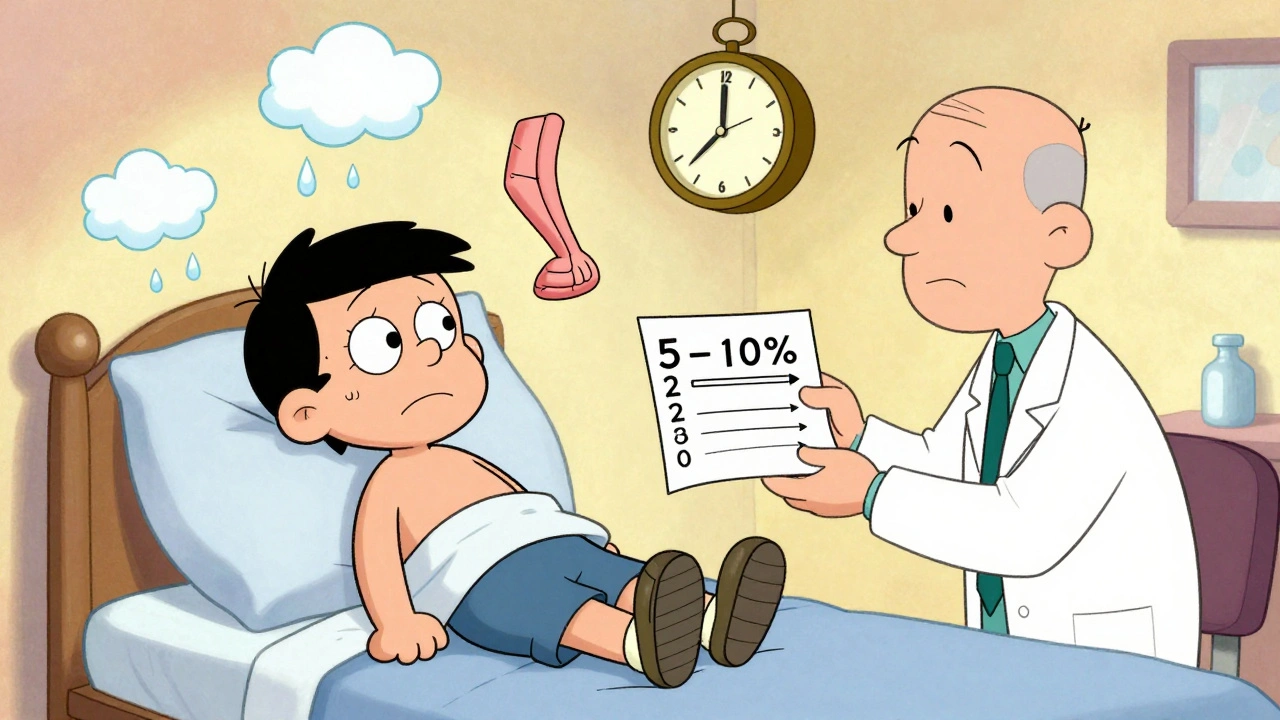
If you’ve been taking opioids for more than a few weeks, your body has adapted. It’s not addiction-it’s physical dependence. When you stop or cut back too fast, your nervous system goes into overdrive. Symptoms hit hard: nausea, muscle aches, sweating, anxiety, insomnia, and diarrhea. These aren’t just discomforts-they’re your body screaming for the drug it’s been relying on. The CDC says 87% of people going through withdrawal get nausea. Nearly 8 in 10 experience anxiety and muscle pain. This isn’t weakness. It’s biology.
Why Tapering Is the Only Safe Way Forward
Suddenly stopping opioids can be dangerous. A 2017 study found people who were forced off opioids too quickly had 3.5 times higher risk of suicidal thoughts. Emergency rooms saw spikes in cases after insurers pushed rapid tapers. One patient in a Healthgrades review dropped from 180 mg morphine equivalent daily dose to zero in just four weeks. He ended up in the hospital with severe withdrawal. That’s not a success story-it’s a warning.
Slow tapering isn’t optional. It’s standard care. The CDC’s 2022 guidelines say: if your current dose isn’t putting you in immediate danger, don’t rush. Tapering should be a conversation, not a command. The goal isn’t just to stop opioids-it’s to do it without wrecking your health, sleep, or mental state.
How Fast Should You Taper? The Numbers That Matter
There’s no one-size-fits-all speed. But the data shows clear patterns:
- Fast taper: Cutting 20-25% every few days. This leads to 68% more severe symptoms and a 5.2 times higher chance you’ll quit the plan altogether.
- Slow taper: Reducing 5-10% every 4 weeks. This is what most people tolerate best. A 2020 Oregon study found 73% of patients stuck with this approach, and ER visits dropped by 41%.
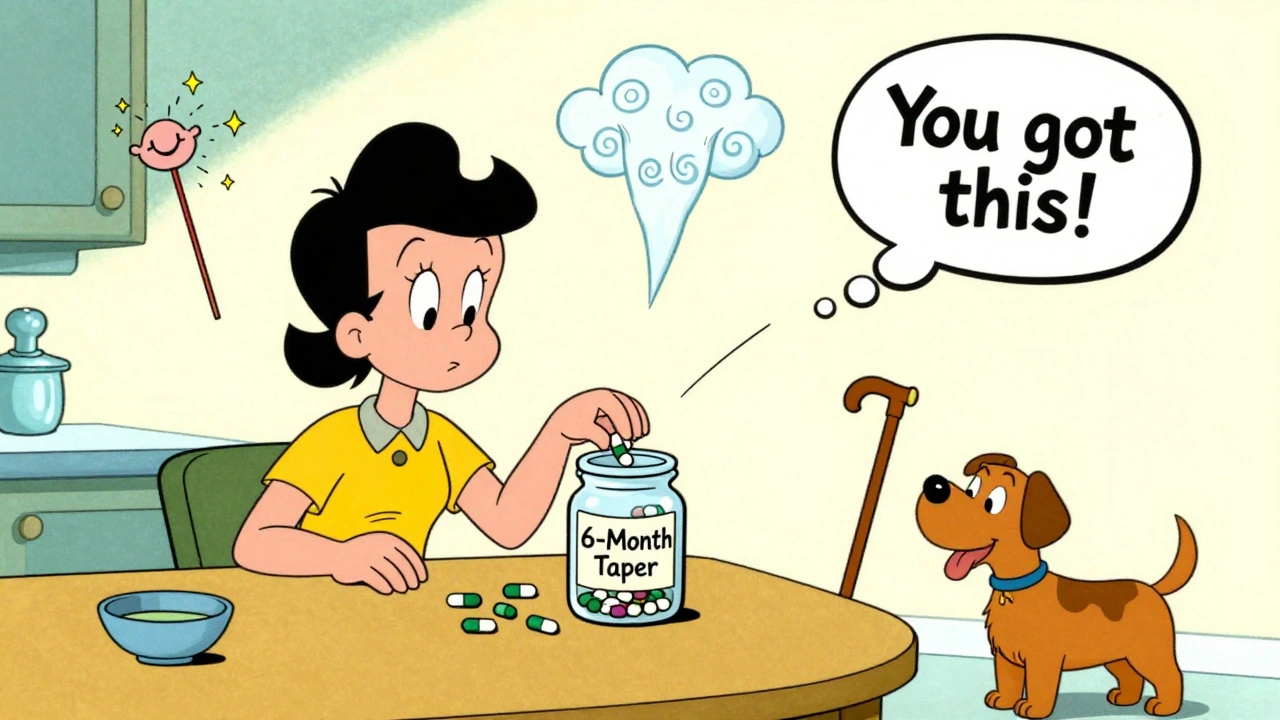
For someone on opioids for over a year, a 6-month to 12-month taper is common. A patient on 120 mg morphine equivalent daily dose (MEDD) might drop 10% monthly-going from 120 to 108, then 97, then 87, and so on. That’s manageable. That’s sustainable.
When Tapering Makes Sense (and When It Doesn’t)
Not everyone needs to taper. The CDC says: only do it if:
- Your pain has improved enough that you don’t need opioids anymore (like after surgery)
- You’re having serious side effects-constipation, drowsiness, confusion
- You’re not getting better pain relief despite stable doses
- There’s evidence of misuse or risky behavior
But if you’re stable, sleeping better, and your pain is under control? There’s no rush. A 2022 CDC update made this clear: if your current regimen isn’t harming you, don’t force a taper. Many patients are pressured by insurers or clinics who don’t understand the risks. You have a right to a plan that respects your body’s limits.
Medications That Help During Withdrawal
You don’t have to suffer through this alone. Doctors use several tools to ease symptoms:
- Baclofen: A muscle relaxant. Taken at 5 mg three times a day, slowly increased to 40 mg daily. Helps with cramps and restlessness.
- Gabapentin: Starts at 100-300 mg daily, ramped up to 1,800-2,100 mg split into doses. Reduces nerve pain and improves sleep.
- Lofexidine (extended-release): FDA-approved in February 2024. Lowers blood pressure spikes and reduces anxiety, sweating, and goosebumps. Works differently than clonidine and has fewer side effects.
These aren’t magic pills. But when paired with a slow taper, they make the difference between enduring withdrawal and getting through it with dignity.
What Works Beyond Pills
Medications help, but they’re only part of the picture. People who succeed in tapering often combine them with non-drug tools:
- Cognitive Behavioral Therapy (CBT): Used by 41% of those who completed tapers successfully. Helps reframe pain, manage anxiety, and build coping skills.
- Acupuncture: Reported as helpful by 33% of patients in Oregon’s 2021 registry. Especially useful for muscle pain and insomnia.
- Physical therapy: Gentle movement reduces stiffness and improves function. Many patients find they need less pain relief once they move better.
- Mindfulness and breathing: Simple techniques lower stress hormones, which in turn reduce withdrawal intensity.
One Reddit user, tapering from 120 mg MEDD over six months, said CBT and daily walks made the difference. "I didn’t feel like I was losing control. I felt like I was taking it back."
What Clinicians Need to Do (and What They Often Don’t)
Good tapering isn’t a script. It’s a partnership. The Oregon guidelines say it clearly: trust, patience, and patient-led decisions are non-negotiable.
Doctors should:
- Ask: "What are your goals?" Not just "How much are you taking?"
- Allow pauses. If symptoms spike, slow down or stop for a week.
- Check in every 2-4 weeks on pain levels, sleep, mood, and function-not just opioid dose.
- Write down the plan with you. Not just for the chart-for you to keep.
Too many patients report being handed a taper schedule with no discussion. That’s not care. That’s compliance enforcement. The VA and HSS both say: if you’re not listening to the patient, you’re making it harder.
Common Pitfalls and How to Avoid Them
Even with good intentions, people slip up. Here’s what goes wrong-and how to fix it:
- Breaking the taper for breakthrough pain: Don’t go back to your old dose. Talk to your doctor about non-opioid options-NSAIDs, heat therapy, nerve blocks.
- Isolating yourself: Withdrawal is lonely. Stay connected. Join a support group. Reddit’s r/OpiatesRecovery has 145,000 members sharing real experiences.
- Expecting perfection: Some days will be rough. That’s normal. Progress isn’t linear.
- Letting insurance dictate your pace: If your insurer pushes a 4-week taper, ask for a medical exception. Cite the CDC guidelines. You’re not being difficult-you’re protecting your health.
What Success Looks Like
Success isn’t just quitting opioids. It’s waking up without dread. Sleeping through the night. Moving without flinching. A 2020 survey found 78% of patients who completed slow tapers said their daily function improved. Two-thirds reported better sleep.
One man in Birmingham, who tapered from 90 mg MEDD over nine months, said: "I didn’t feel like I was missing out. I felt like I was finally breathing again."
It takes time. It takes support. But it’s possible. And it’s worth it.
How long does opioid withdrawal last?
Acute withdrawal symptoms usually peak within 72 hours and start to ease after 5-7 days. But some symptoms-like anxiety, sleep problems, and low energy-can linger for weeks or even months. This is called post-acute withdrawal syndrome (PAWS). Slower tapers help reduce the severity and duration of PAWS.
Can I taper off opioids at home?
It’s possible, but only with medical supervision. You need regular check-ins with a doctor to adjust your taper rate, manage symptoms, and monitor for complications. Tapering alone increases the risk of relapse, severe withdrawal, or mental health crises. Never stop opioids abruptly without professional guidance.
What if I relapse during tapering?
Relapse doesn’t mean failure. It means your body needs more time or support. Many people pause their taper, stabilize, and try again later. The key is to talk to your provider immediately. Don’t restart your old dose without guidance-your tolerance has dropped, and you’re at higher risk of overdose. Adjust the plan, don’t abandon it.
Are there alternatives to opioids for chronic pain?
Yes. Physical therapy, acupuncture, CBT, nerve blocks, anti-inflammatory medications, and even low-dose antidepressants can help manage chronic pain without opioids. Many patients find that combining these approaches works better than opioids alone. The CDC recommends trying non-opioid treatments before or alongside tapering.
Is it safe to use marijuana or CBD during opioid withdrawal?
Some people report that CBD helps with anxiety and sleep during withdrawal, but research is still limited. Marijuana isn’t regulated, and its effects vary widely. If you’re considering it, talk to your doctor first. It’s not a substitute for a structured taper or medical care, but for some, it can be a supportive tool when used carefully.
How do I know if my taper is too fast?
If you’re having moderate to severe symptoms-like vomiting, chest pain, extreme anxiety, or inability to sleep for more than two days-you’re tapering too fast. Other signs include panic attacks, thoughts of self-harm, or needing emergency care. Slow down or pause the taper. Your comfort and safety matter more than hitting a timeline.