
Imagine waking up drenched in sweat, your heart racing, after reliving the worst moment of your life for the third time that night. For a huge number of people living with post-traumatic stress disorder, this isn't just a bad dream-it's a nightly ritual. In fact, up to 90% of veterans and over 70% of civilian survivors deal with these vivid, distressing nightmares. The problem is that when you can't sleep, your brain can't heal, creating a vicious cycle where exhaustion makes your PTSD symptoms even harder to manage.
The good news is that we've moved past the era of just "trying to get through the night." We now have a combination of targeted medications and behavioral shifts that can actually quiet the noise in your head. Whether you are looking for a pharmacological bridge or a long-term psychological tool, understanding your options is the first step toward reclaiming your bedroom as a place of peace.
The Role of Prazosin in Quietening Nightmares
If you've spoken to a doctor about PTSD sleep issues, you've likely heard of Prazosin is an alpha-1 adrenergic antagonist originally designed to treat high blood pressure, but repurposed to treat PTSD-related nightmares. It works by blocking the effects of adrenaline (norepinephrine) in the brain, which is often overactive in people with PTSD, especially during REM sleep.
Most people start with a low dose-usually 1 mg nightly-and slowly increase it. A common target is between 3 mg and 15 mg, taken about an hour or more before bed to make sure it hits its peak effectiveness right when you're drifting off. While it's widely used, it's important to know it's an "off-label" use, meaning the FDA hasn't officially approved it specifically for nightmares, though thousands of patients rely on it.
It's not a magic pill for everyone. Some people find it completely stops the nightmares, while others notice they just become less intense. You also have to watch out for the "dizzy spell"-orthostatic hypotension-which is why doctors emphasize monitoring your blood pressure. If you decide to stop taking it, do so slowly; some users report "rebound nightmares" if they quit cold turkey.
Behavioral Breakthroughs: CBT-I and IRT
Medication handles the chemistry, but therapy handles the patterns. Two of the most effective non-drug approaches are CBT-I (Cognitive Behavioral Therapy for Insomnia) and Imagery Rehearsal Therapy (IRT). These aren't just "talking about your feelings"; they are structured protocols designed to retrain your brain.
CBT-I is a short-term, evidence-based treatment that focuses on the relationship between your thoughts, your behaviors, and your sleep. It uses a few heavy-hitting techniques:
- Stimulus Control: If you aren't asleep in 20 minutes, get out of bed. This stops your brain from associating the bed with being awake and anxious.
- Sleep Restriction: Limiting the time you spend in bed to match the time you actually sleep. It sounds counterintuitive, but it builds "sleep pressure," making you fall asleep faster.
- Cognitive Restructuring: Challenging the panic that arises when you realize you're still awake at 3 AM.
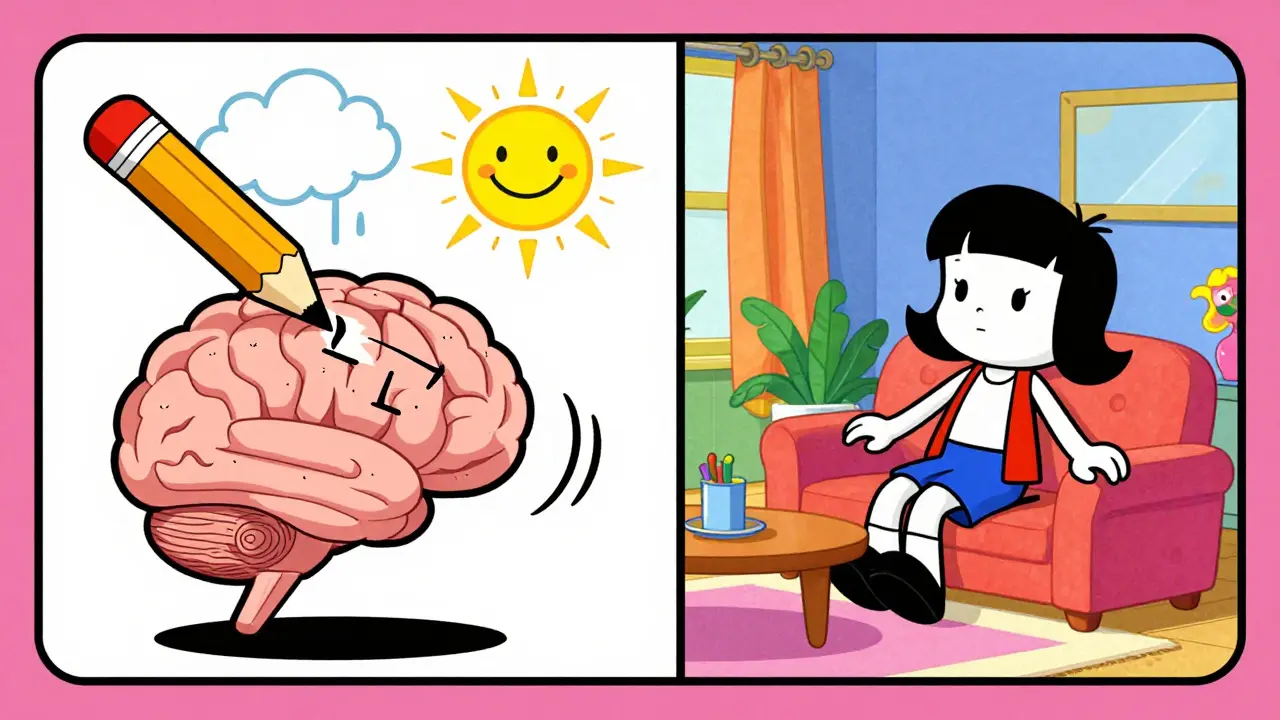
Then there is IRT, which is like a "script rewrite" for your brain. Instead of just enduring a nightmare, you write down the dream while awake and then change the ending to something neutral or positive. You practice this new version during the day. It's a remarkably simple process, yet studies show it can reduce nightmare distress for up to 90% of patients.
Comparing Your Options: Medication vs. Therapy
Choosing between Prazosin and therapy usually depends on your immediate needs. Medication is often faster to start and easier to access, especially for those who aren't ready to dive back into their trauma memories. However, therapy offers a level of long-term control that a pill can't provide.
| Feature | Prazosin | CBT-I | Imagery Rehearsal Therapy (IRT) |
|---|---|---|---|
| Primary Goal | Reduce nightmare frequency/intensity | Improve overall sleep efficiency | Rewrite nightmare narratives |
| Speed of Effect | Relatively fast (days/weeks) | Gradual (weeks/months) | Moderate (after few sessions) |
| Side Effects | Dizziness, nasal congestion | Initial daytime sleepiness | None (minimal emotional stress) |
| Long-term Gain | Depends on continued use | High (permanent skill set) | High (cognitive retraining) |
The Power of the Integrated Approach
The real breakthrough happens when you don't choose just one. The modern "gold standard" involves a stepped-care model. You might start with Trauma-Focused Psychotherapy (like Prolonged Exposure or EMDR) to deal with the core trauma, while using Prazosin to keep the nightmares at bay so you can actually function during the day.
Adding CBT-I to the mix can accelerate recovery. When you improve your sleep quality, your amygdala-the brain's alarm system-becomes less reactive. This means you're better equipped to handle the difficult emotional work of trauma therapy. For example, veterans using a combination of CBT-I and Prolonged Exposure saw significantly higher increases in total sleep time (nearly 78 minutes more) compared to those who only used basic sleep hygiene tips.
New Tech: The Digital Frontier of Sleep
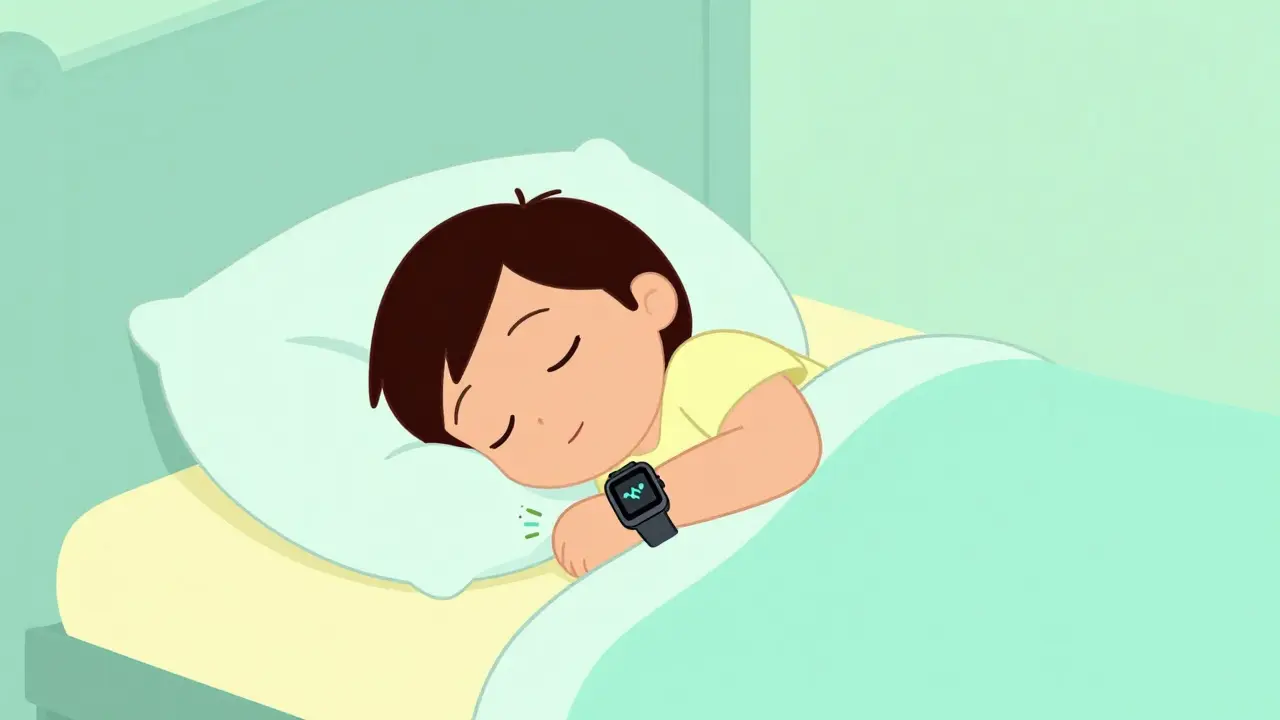
We're also seeing a shift toward digital therapeutics. A great example is the NightWare app. This isn't just a sleep tracker; it's an FDA-approved tool that uses a smartwatch to monitor your heart rate and movement. When it detects the physiological signs of a nightmare, it delivers a gentle vibration to your wrist. This is just enough to nudge you out of the REM cycle without fully waking you up, effectively "breaking" the nightmare before it peaks.
While we aren't yet at a point where an app can replace a therapist or a prescription, these tools provide a bridge for people in rural areas who can't access specialists. The goal is moving toward a future where sleep isn't an afterthought of PTSD treatment, but a central pillar of it.
Practical Tips for Starting Your Treatment
If you're ready to make a change, don't just jump into the deep end. Start by tracking your data. Keep a sleep diary for two weeks-note when you go to bed, when you wake up, and how many nightmares you had. This gives your provider a baseline to measure success.
If you are starting Prazosin, be mindful of your movements. Stand up slowly from a chair or bed to avoid that head-rush feeling. If you're starting CBT-I, prepare yourself for the "sleep restriction" phase. It can be brutal for the first week or two, and you'll feel tired, but sticking to the schedule is the only way the treatment works.
Does Prazosin cause addiction or dependence?
No, Prazosin is not a benzodiazepine or a sedative-hypnotic; it is an alpha-blocker. It does not carry the same risk of addiction as some other sleep medications, though you should always taper off under a doctor's guidance to avoid rebound symptoms.
Can I do Imagery Rehearsal Therapy (IRT) on my own?
While some people find success with self-help guides, IRT is most effective when guided by a therapist who can help you navigate the emotional triggers that arise when rewriting the nightmare scripts.
How long does it take for CBT-I to start working?
Most people notice a significant shift in their sleep efficiency within 4 to 8 weeks. However, the first two weeks of sleep restriction can actually make you feel more tired before the improvements kick in.
Is Prazosin safe for people with low blood pressure?
Because Prazosin is a blood-pressure-lowering medication, it can be risky for those who already have hypotension. Close monitoring by a healthcare provider is essential to ensure your blood pressure doesn't drop to unsafe levels.
What if I have shift work or an irregular schedule?
Standard CBT-I sleep restriction can be very difficult for shift workers. In these cases, modified protocols are used that focus on "anchor sleep" and strategic napping rather than a strict fixed wake-time.