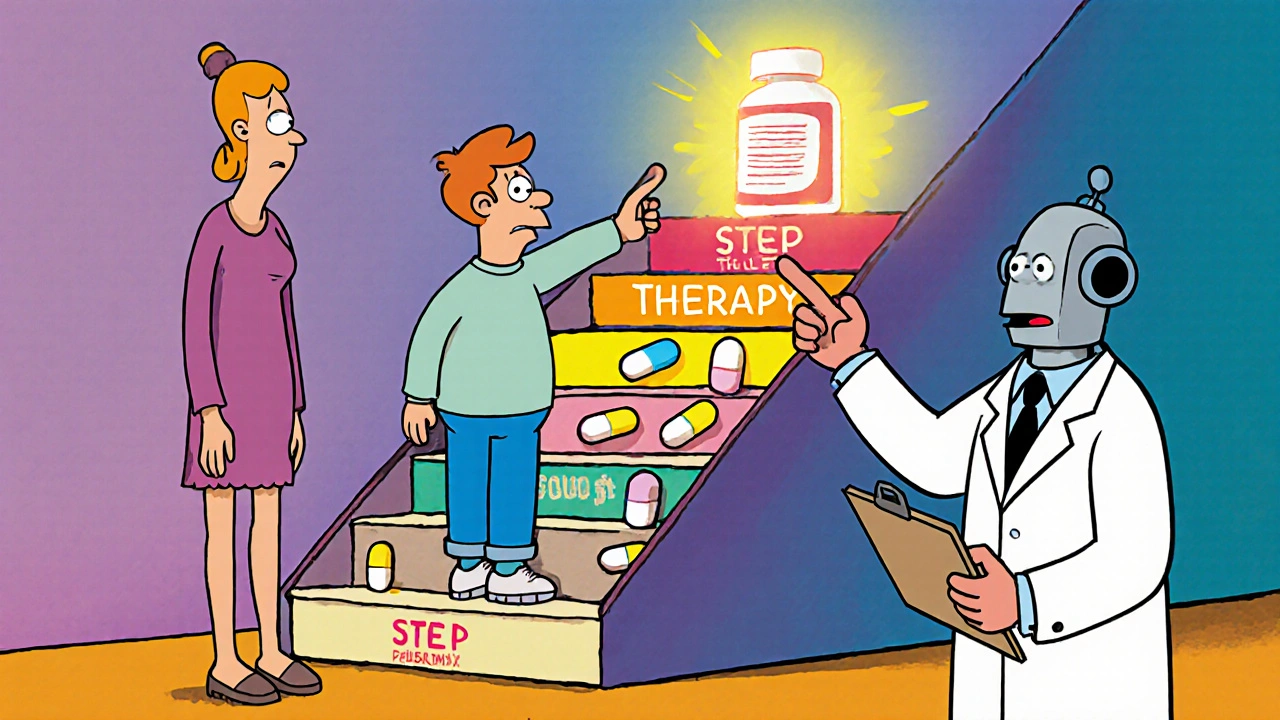
If you’ve ever been told by your pharmacy that you can’t get your prescribed medication unless you first try a cheaper one, you’ve run into step therapy. It’s not a glitch in the system-it’s a standard rule in most health insurance plans. Step therapy, often called a "fail-first" policy, forces patients to try less expensive drugs-usually generics-before the insurer will pay for the medication your doctor originally recommended. This isn’t about saving a few dollars on a pill. It’s a structured, multi-step process that can delay critical treatment for months, sometimes with serious consequences.
How Step Therapy Actually Works
Step therapy isn’t random. Insurers organize medications into tiers, like levels in a video game. You start at Level 1: the cheapest, often generic version of a drug. If that doesn’t work-or causes side effects-you move to Level 2. Only after failing at both levels do you get access to the original prescription. For example, if your doctor prescribes a biologic for rheumatoid arthritis, your insurer might require you to try three different NSAIDs first. Even if those didn’t work for you before, you have to try them again under your new plan.This system is built into formularies-the lists of drugs your insurance covers. According to a 2021 analysis, about 40% of all health plan drug coverage includes step therapy requirements. That number has been rising since 2018, and experts predict it’ll hit 55% of specialty drug prescriptions by 2025. The goal? Cut costs. Generic drugs cost 80-85% less than brand-name versions. Since 90% of prescriptions filled in the U.S. are for generics, insurers assume most patients can be treated effectively with them.
Why Insurers Use Step Therapy
Insurance companies don’t make these rules to be difficult. They do it because drug prices keep climbing, and they’re under pressure to keep premiums low. A 2021 Congressional Budget Office study found step therapy can reduce pharmaceutical spending by 5-15% per drug class. For large employers and health plans, that adds up to millions saved annually.But here’s the catch: those savings come from shifting costs onto patients and providers. A patient with multiple sclerosis might need a specific injectable drug to prevent nerve damage. If they’re forced to try two oral medications first, and those cause vomiting or fatigue, they’re still not getting the treatment they need. Meanwhile, their condition worsens. The American College of Rheumatology says this delay can lead to irreversible joint damage, increased hospital visits, and even disability.
Insurers argue step therapy ensures patients aren’t prescribed expensive drugs that aren’t the best fit. But doctors say the opposite: they’re the ones who know what works for their patients. When a patient has already tried and failed on a generic, why make them go through the same process again under a new insurance plan?
When Step Therapy Goes Wrong
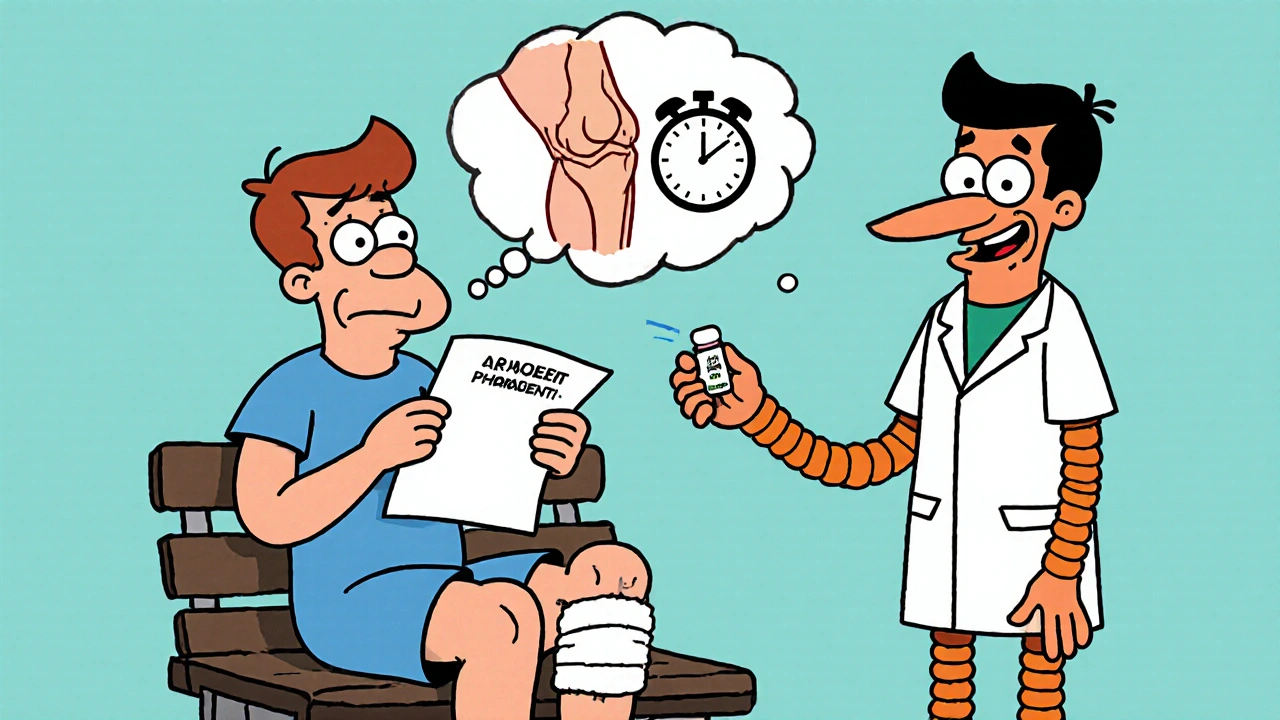
Real people are paying the price. On Reddit, a user named "ChronicPainWarrior" shared how they were denied coverage for a biologic medication for rheumatoid arthritis. They had to try three different NSAIDs over six months. During that time, their joints deteriorated. By the time they got approval, they needed a knee replacement.A 2022 survey by the Arthritis Foundation found that 68% of patients on step therapy experienced negative health outcomes. Nearly half reported disease progression while stuck in the approval process. Another 28% gave up entirely because the paperwork was too overwhelming.
And it’s not just chronic conditions. People with depression, asthma, or even migraines have been forced to try cheaper antidepressants, inhalers, or painkillers-even if they’ve been stable on their current meds for years. When someone switches jobs and gets new insurance, they often have to restart the entire step therapy process. That means going back to square one, even if their last doctor approved the drug.
How to Fight Back: Step Therapy Exceptions
You’re not powerless. Federal and state laws require insurers to offer exceptions. The Safe Step Act, introduced in Congress multiple times since 2017, outlines five clear situations where insurers must bypass step therapy:- The required drug was previously ineffective for you
- Delaying treatment could cause severe or irreversible harm
- The required drug is contraindicated due to allergies or interactions
- The required drug would prevent you from doing daily activities
- You’re already stable on your current medication and it was previously covered
But getting an exception isn’t easy. Your doctor has to submit medical records proving one of these conditions applies. That means pulling old lab results, previous prescriptions, or even letters from past providers. Many practices report spending over 18 hours a week just handling these requests.
Blue Cross Blue Shield of Michigan says they review standard exceptions within 72 business hours. Urgent cases get a 24-hour turnaround. But that’s not universal. Some insurers take four to eight weeks. And if your plan is self-insured-meaning your employer pays claims directly instead of through an insurance company-you’re not protected by state laws. About 61% of Americans get their insurance this way, and federal rules for them are still weak.
What States Are Doing
As of 2025, 29 states have passed laws to protect patients from abusive step therapy practices. These laws require insurers to:- Provide a clear exception process
- Respond to requests within a set timeframe (often 72 hours)
- Accept documentation from your doctor without demanding unnecessary forms
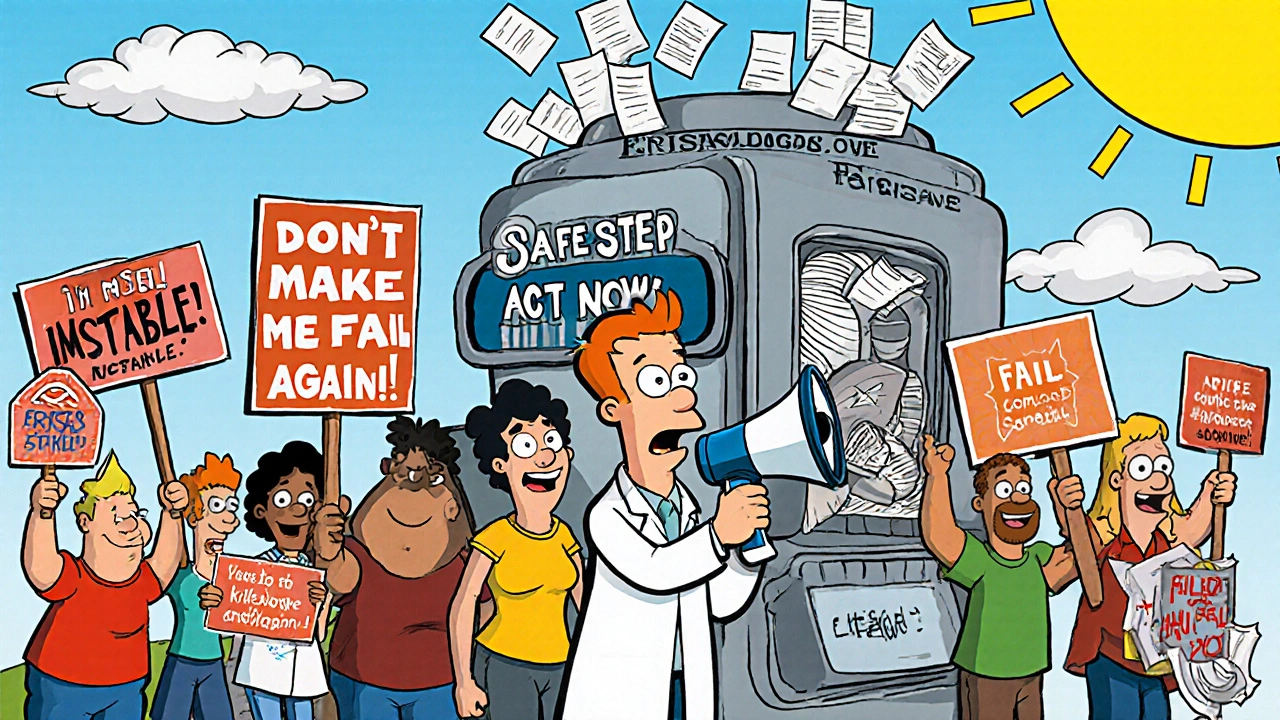
But here’s the loophole: these rules only apply to fully-insured plans. If your employer self-funds your coverage, state laws don’t touch it. That’s why federal action is critical. The Safe Step Act, reintroduced in 2021, would extend these protections to self-insured plans under ERISA. Without it, millions remain vulnerable.
What You Can Do Right Now
If you’re stuck in step therapy:- Ask your doctor to file a step therapy exception immediately. Don’t wait. Provide all relevant medical history.
- Call your insurer’s member services. Ask for the exact form and process for exceptions. Get the name of the person you speak to and the date.
- Check if your drug manufacturer offers a co-pay card or patient assistance program. About 78% of big pharma companies have these, and they can sometimes cover the cost of the drug even if insurance denies it.
- Document everything. Save emails, call logs, denial letters. You might need them later.
- If you’re denied, file an appeal. Most plans have a two-level appeal process. Don’t give up after the first no.
Some patients do find success. A 2023 GoodRx survey showed 17% of people ended up better off on the generic drug the insurer required. But that’s the minority. For most, step therapy is a bureaucratic hurdle that delays care-and sometimes makes things worse.
The Bigger Picture
Step therapy exists because drug prices are broken. Instead of fixing the root problem-sky-high brand-name drug costs-insurers are making patients pay the price in time, pain, and health. It’s a short-term cost-saving tactic with long-term human costs.Until federal law closes the gap for self-insured plans, millions will keep getting caught in this system. If your doctor says a drug is necessary, don’t accept "try the cheaper one" as the final answer. Push back. Document everything. And know your rights.
What is step therapy in health insurance?
Step therapy is a rule used by health insurers that requires you to try one or more lower-cost, usually generic, medications before they’ll cover a more expensive drug your doctor prescribed. It’s also called a "fail-first" policy because you have to prove the cheaper options didn’t work before getting access to the original treatment.
Why do insurance companies require step therapy?
Insurers use step therapy to control rising drug costs. Generic drugs are often 80-85% cheaper than brand-name versions. By making patients try generics first, insurers save millions annually. But critics say this approach delays effective treatment and can harm patients with chronic or progressive conditions.
Can I get an exception to step therapy?
Yes. Federal and state laws require insurers to grant exceptions under specific conditions: if the required drug was ineffective for you before, causes harmful side effects, is contraindicated, would prevent you from doing daily activities, or if you’re already stable on your current medication. Your doctor must submit medical documentation to support your request.
How long does a step therapy exception take to approve?
Approval times vary. Most insurers promise a decision within 72 hours for standard requests and 24 hours for urgent cases. But in practice, many patients wait four to eight weeks. Delays can lead to worsening health, especially for conditions like rheumatoid arthritis, multiple sclerosis, or severe depression.
Does step therapy apply to all medications?
No. Step therapy mostly applies to specialty drugs and newer brand-name medications. Generic drugs are usually covered without restrictions because they’re already low-cost. About 90% of prescriptions in the U.S. are for generics, so most people never see step therapy. But if you’re prescribed a biologic, immunosuppressant, or specialty oral drug, you’re likely to encounter it.
What if I switch insurance plans?
You may have to restart the entire step therapy process-even if you’ve been successfully taking the same medication for years. New insurers don’t recognize your prior treatment history unless you provide documentation. This can cause dangerous treatment gaps, especially for chronic illnesses. Always notify your doctor when changing plans so they can start the exception process right away.
Are there laws protecting patients from step therapy?
Yes. As of 2025, 29 states have passed laws requiring insurers to provide clear exception processes and set time limits for approvals. But these laws only cover fully-insured plans. If your employer self-funds your health plan (which is true for 61% of Americans), you’re not protected by state law. Federal legislation like the Safe Step Act aims to fix this gap but hasn’t passed yet.
Can pharmaceutical companies help me bypass step therapy?
Some can. About 78% of major drug manufacturers offer co-pay cards or patient assistance programs that can reduce or eliminate your out-of-pocket cost for brand-name drugs. These programs don’t override insurance rules, but they can make the drug affordable even if it’s denied under step therapy. Ask your pharmacist or the drug manufacturer’s website for details.
What Comes Next
Step therapy isn’t going away. With drug prices still rising and insurers under pressure to cut costs, the practice will likely expand. But patient advocacy is growing. More states are strengthening their laws. More doctors are pushing back. More patients are speaking up.Your voice matters. If you’ve been denied a needed medication, file a complaint with your state’s insurance department. Share your story with patient advocacy groups. And never assume "it’s just policy" means you have to accept it. There’s a path forward-just not an easy one.