Albuminuria: What It Means, Why It Matters, and What Your Doctor Needs to Know
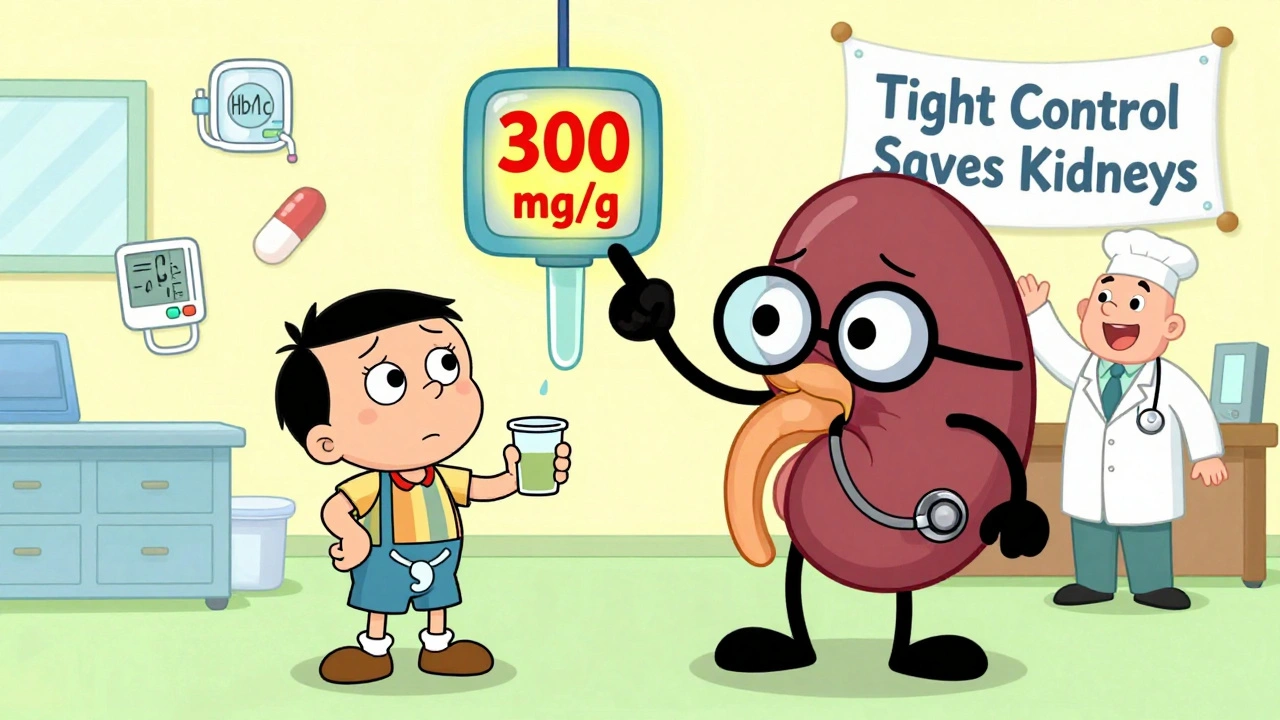
When your kidneys are working right, they keep albumin, a key protein that helps maintain fluid balance in your blood, where it belongs—inside your bloodstream. But if you have albuminuria, the presence of abnormal amounts of albumin in the urine, it’s a red flag: your kidney filters are leaking. This isn’t just a lab result—it’s one of the earliest warnings of kidney damage, often showing up before you feel any symptoms. Also known as proteinuria, a broader term for protein in the urine, albuminuria is the most specific and clinically useful sign of kidney stress, especially in people with diabetes or high blood pressure.
Albuminuria doesn’t happen overnight. It builds up slowly, often as a result of long-term damage from conditions like diabetes, a leading cause of kidney disease or hypertension, chronic high blood pressure that strains kidney filters. Even if you feel fine, a simple urine test can catch it. Doctors use this test to monitor kidney health, adjust medications, and prevent further damage. If left unchecked, persistent albuminuria can lead to chronic kidney disease, and eventually, kidney failure. The good news? Catching it early gives you a real shot at slowing or stopping the damage. Lifestyle changes, blood pressure control, and specific medications like ACE inhibitors or SGLT2 inhibitors—used to treat diabetes and heart conditions—can dramatically reduce albumin levels and protect your kidneys.
What you’ll find in the posts below isn’t just theory. These are real, practical insights from people and doctors dealing with kidney health, medication side effects, and how everyday choices impact long-term outcomes. You’ll see how albuminuria connects to other conditions like diabetes, how certain drugs affect kidney filters, and why tracking your urine protein isn’t just a doctor’s chore—it’s a lifeline. Whether you’re managing a chronic condition, worried about test results, or just trying to understand what your body is telling you, this collection gives you the clear, no-fluff facts you need to act.