Biotin (Vitamin B7): What It Does and When You Might Need It

Biotin, also called vitamin B7, is a tiny but important nutrient your body uses to turn food into energy and to keep skin, hair, and nails healthy. Most people get enough from food and gut bacteria, but a few situations — pregnancy, certain medications, or medical issues — can lower your levels. Before you grab a high-dose supplement, know what biotin really does and where it can cause trouble.

Benefits, food sources, and who may need more

Biotin helps with metabolism of carbs, fats, and proteins. People often take it hoping for stronger hair and nails. If you’re actually deficient, supplements can help. But if your levels are normal, mega-doses probably won’t make a visible difference.

Good food sources: cooked eggs, liver, nuts, seeds, legumes, and some whole grains. Raw egg whites contain avidin, a protein that binds biotin and can cause deficiency if you eat lots of raw eggs — cooking destroys avidin. The Adequate Intake for most adults is about 30 mcg/day (pregnancy similar, lactation slightly higher).

Who might need supplements: people with inherited biotinidase deficiency, those on long-term broad-spectrum antibiotics, people taking some anti-seizure drugs (like carbamazepine or phenobarbital), people on prolonged total parenteral nutrition, and anyone with certain gut disorders that impair absorption.

Dosage, safety, and important warnings

Typical supplements range from 1,000 mcg to 10,000 mcg (1–10 mg) — much higher than the daily intake recommendation. There’s no official upper limit, and biotin is water-soluble, so excess is usually excreted. Still, high doses can cause acne, stomach upset, or other mild issues.

A critical safety point: biotin can interfere with many lab tests. High biotin levels may cause falsely low or high results for thyroid tests, troponin (a heart attack marker), hormone tests, and more. If you’re having important blood work, tell your provider and stop high-dose biotin 48–72 hours before testing when possible.

If you’re thinking about supplements: pick a reputable brand, check the label, and don’t assume more is better. Talk to your doctor if you’re pregnant, breastfeeding, on prescription meds, or have a medical condition. They can check whether you really need biotin and advise on dose and timing before blood tests.

Quick takeaway: biotin matters, but deficiency is uncommon. Eat a balanced diet, avoid large amounts of raw egg whites, and be cautious with high-dose supplements — especially before lab work or if you’re on certain medications.
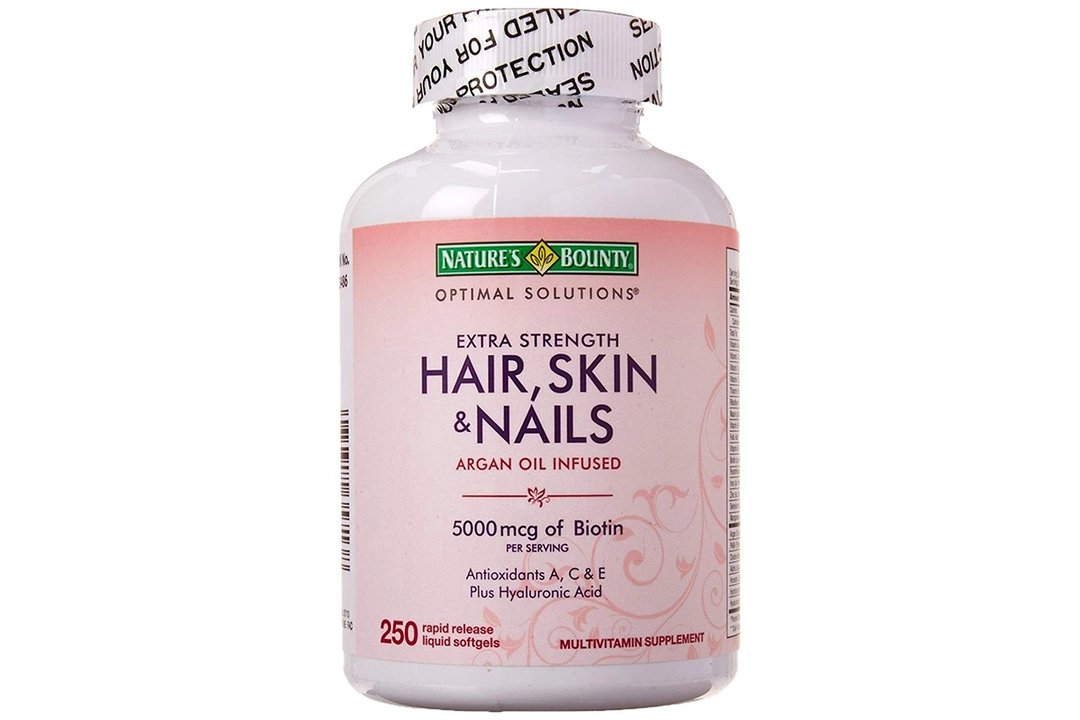

Biotin: The Secret Ingredient for Healthier Skin, Hair, and Nails

Biotin: The Secret Ingredient for Healthier Skin, Hair, and Nails

Martyn F. May. 13 16

I recently discovered the secret ingredient to achieving healthier skin, hair, and nails - Biotin! This essential B-vitamin not only helps our bodies convert food into energy, but it's also known for its role in maintaining the health of our skin, hair, and nails. Many people take biotin supplements to improve their hair's thickness and shine, while also promoting nail strength and skin elasticity. It's amazing how one vitamin can have such a significant impact on our overall appearance. I highly recommend looking into biotin if you're seeking a natural solution to enhance your hair, skin, and nails.

More Detail
Recent posts
How a Transient Ischemic Attack Can Trigger Vision Problems - Signs, Risks & Action Plan

Learn how a transient ischemic attack can cause sudden vision loss, the warning signs to watch for, underlying vascular causes, and steps to act fast and prevent a stroke.

The Impact of Addison's Disease on Sexual Health and Relationships

As someone living with Addison's disease, I've noticed a significant impact on my sexual health and relationships. The hormonal imbalances caused by this condition can lead to a decreased libido, making intimacy a challenge. Additionally, the fatigue and mood swings associated with Addison's disease can strain relationships, as it becomes difficult to maintain emotional stability. It's essential to openly communicate with your partner about these challenges and seek medical help to manage the symptoms. By doing so, you can work together to maintain a healthy and fulfilling relationship despite the effects of Addison's disease.

The Role of Genetic Counseling for Families with Chromosome-Positive Lymphoblastic Leukemia

As a blogger, I've recently delved into the important role of genetic counseling for families dealing with chromosome-positive lymphoblastic leukemia. This specialized guidance is essential in helping families understand the genetic components of this illness, as well as the potential risks and implications for family members. Genetic counselors are trained professionals who provide personalized support and information, enabling families to make informed decisions about their care and treatment options. They also serve as a valuable resource for families to navigate the emotional aspects of this challenging journey. In summary, genetic counseling plays a crucial role in empowering families to better comprehend and manage the complexities of chromosome-positive lymphoblastic leukemia.

About Us

Health and Wellness