DKD Prevention: How to Stop Diabetic Kidney Disease Before It Starts

When you have diabetes, your kidneys are under constant stress. Diabetic kidney disease, also called diabetic nephropathy, is a progressive condition where high blood sugar damages the tiny filters in your kidneys. Also known as DKD, it’s the leading cause of kidney failure in the U.S.—and the good news is, it’s often preventable. Most people don’t feel symptoms until damage is advanced. That’s why DKD prevention isn’t about waiting for warning signs. It’s about acting early, consistently, and with clear goals.

Chronic kidney disease, a broader term that includes DKD, affects over 37 million Americans. But not all cases come from diabetes. Diabetes management, the foundation of DKD prevention, means more than just checking your glucose. It’s about keeping HbA1c under 7%, managing blood pressure below 130/80, and avoiding NSAIDs like ibuprofen that strain your kidneys. Even small changes—like swapping soda for water, walking 30 minutes a day, or cutting back on salt—add up. Studies show that tight control can reduce kidney damage risk by up to 30%. Medications like SGLT2 inhibitors and GLP-1 agonists aren’t just for blood sugar—they’re now proven to protect your kidneys too. If you’re on these drugs, you’re already ahead.

Kidney health isn’t a one-time test. It’s tracked with annual urine albumin and eGFR tests. If your doctor skips these, ask. Many people with early DKD have no swelling, no fatigue, no pain. The damage happens silently. But catching it early means you can still turn things around. The posts below cover exactly how: from checking your medication list to spotting hidden risks from drugs like SGLT2 inhibitors, understanding why some side effects fade over time, and how to avoid drug interactions that hurt your kidneys. You’ll find real strategies—not theory—on how to protect your kidneys while managing diabetes, what to ask your pharmacist, and how to spot the warning signs before it’s too late.
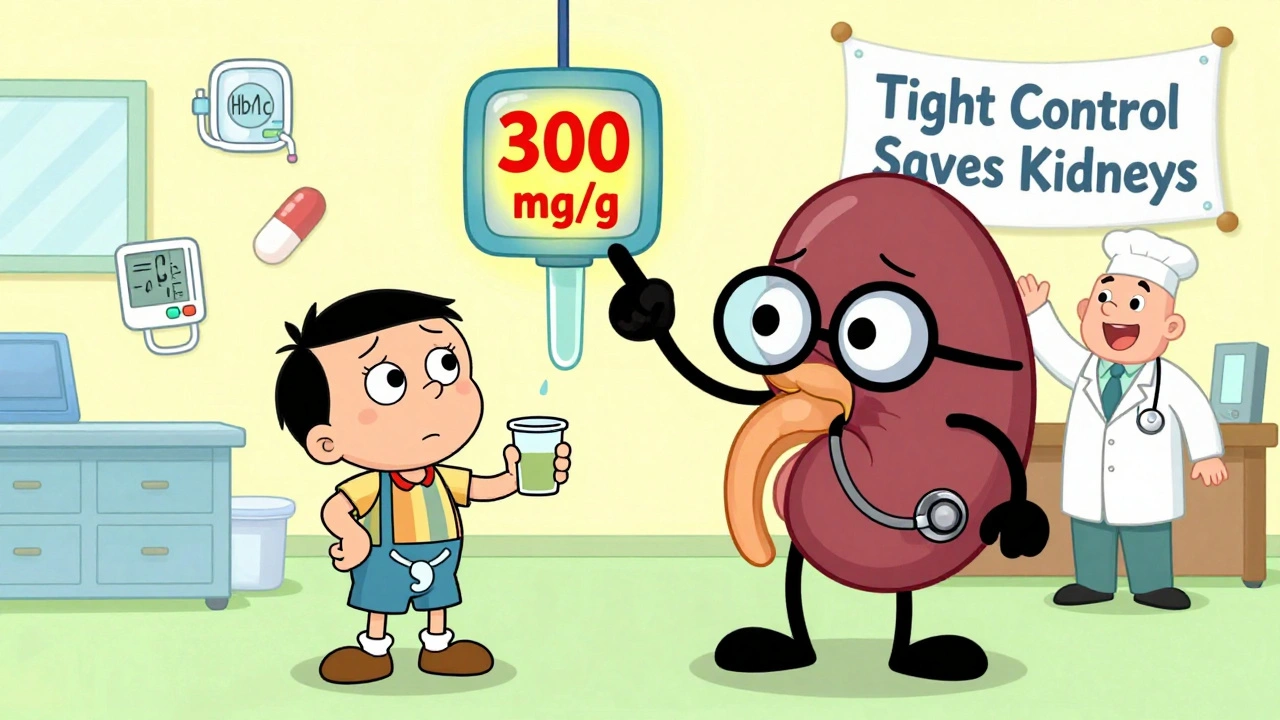
Diabetic Kidney Disease: How Early Albuminuria Signals Risk and Why Tight Control Saves Kidneys

Diabetic Kidney Disease: How Early Albuminuria Signals Risk and Why Tight Control Saves Kidneys

Martyn F. Dec. 1 3

Early albuminuria is the first sign of diabetic kidney disease. Tight blood sugar and blood pressure control, plus new medications like SGLT2 inhibitors and finerenone, can prevent kidney failure. Annual UACR testing saves lives.

More Detail
Recent posts
Levothyroxine and Menopause: What Women Should Know

As a woman going through menopause, it's important to understand the role of levothyroxine, a hormone replacement drug often used to treat an underactive thyroid. Many of us may experience symptoms that mimic those of menopause, such as hot flashes, mood swings, and fatigue, which can be confusing. It's crucial to consult with your doctor if you're taking levothyroxine and entering menopause, as adjustments to your dosage may be needed. Remember, it's all about balance and ensuring your body is getting what it needs during this transitional phase. Always seek professional advice to navigate these changes smoothly and maintain your well-being.

Medication-Induced Delirium in Older Adults: How to Spot the Signs and Prevent It

Medication-induced delirium is a sudden, dangerous confusion in older adults caused by common drugs like antihistamines and benzodiazepines. Learn the signs, who’s at risk, and how to prevent it with safer alternatives and daily monitoring.

The Role of Antioxidants in Preventing Reperfusion Injury

As a blogger, I've recently been diving into the importance of antioxidants in our health, and I discovered their crucial role in preventing reperfusion injury. For those who aren't familiar, reperfusion injury occurs when blood flow is restored to an area after being blocked, leading to inflammation and oxidative damage. Antioxidants come to the rescue by neutralizing harmful free radicals and reducing oxidative stress, which ultimately helps to prevent tissue damage and inflammation. They also support the healing process by promoting cell regeneration and repairing damaged tissues. Overall, antioxidants play a vital role in our body's defense against reperfusion injury, highlighting the importance of maintaining a healthy diet rich in these powerful substances.

About Us

Health and Wellness