High Blood Pressure: Causes, Risks, and What You Can Do

When you hear high blood pressure, a condition where the force of blood against artery walls is consistently too high. Also known as hypertension, it affects nearly half of U.S. adults and often shows no warning signs until serious damage is done. It’s not just a number on a machine—it’s a signal your heart and arteries are under constant stress, and ignoring it raises your risk for heart attack, stroke, and kidney failure.

Cholesterol, a waxy substance in your blood that builds up in arteries plays a big role. High levels of LDL—"bad" cholesterol—narrow your blood vessels, forcing your heart to pump harder. That’s why drugs like ezetimibe, a cholesterol-lowering medication that blocks absorption in the gut are often used alongside lifestyle changes. But cholesterol isn’t the whole story. Diuretics, medications that help your body get rid of extra salt and water are another common tool. They reduce fluid volume in your bloodstream, which directly lowers pressure. Yet using them in hot weather? That’s risky. Diuretics can make you more prone to dehydration and heat illness, especially if you’re active outdoors.

High blood pressure doesn’t happen in isolation. It’s tied to weight gain, lack of movement, stress, and even some medications. Antipsychotics, for example, can trigger metabolic changes that include elevated blood pressure. And while some side effects fade over time, others like stiff arteries or kidney strain stick around. The good news? Small, consistent actions matter. Walking daily, cutting back on salt, and checking your numbers regularly can shift the trajectory. You don’t need a miracle cure—just reliable info and steady habits.

Below, you’ll find real-world guides on how medications like ezetimibe work with exercise, what diuretics mean for your summer safety, and how other treatments fit into the bigger picture of heart health. No fluff. Just what you need to understand your options and take control.
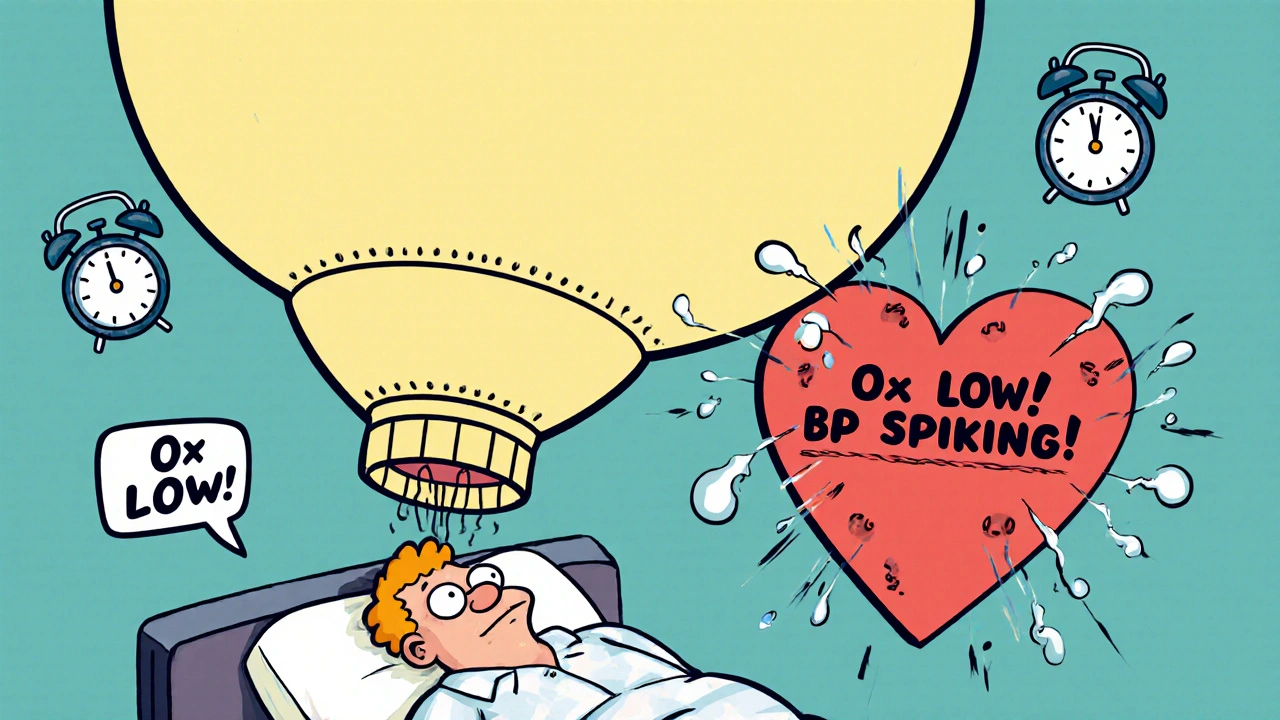
Sleep Apnea and Heart Risk: How Blood Pressure and Arrhythmia Are Linked

Sleep Apnea and Heart Risk: How Blood Pressure and Arrhythmia Are Linked

Martyn F. Nov. 17 10

Sleep apnea isn't just about snoring-it's a major hidden cause of high blood pressure and irregular heartbeats. Learn how untreated sleep apnea strains your heart and what you can do to protect it.

More Detail
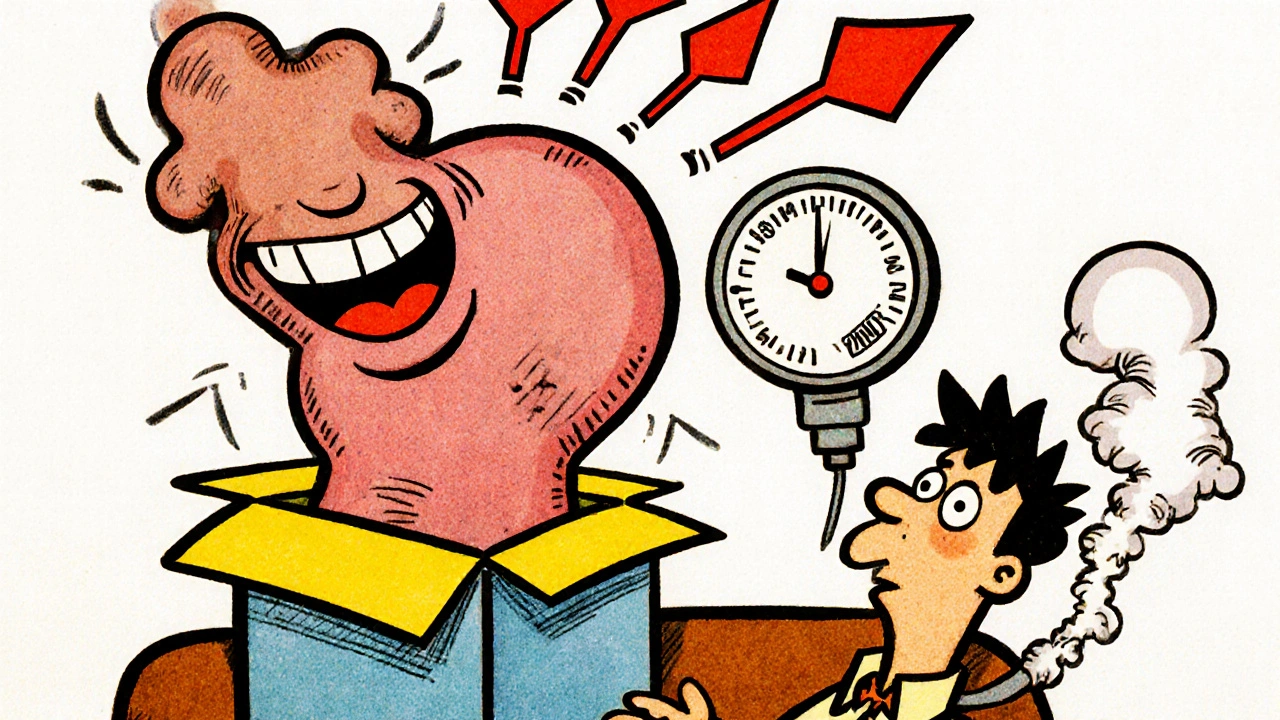
Pheochromocytoma: What It Is, How It Causes High Blood Pressure, and Why Surgery Is Often the Cure

Pheochromocytoma: What It Is, How It Causes High Blood Pressure, and Why Surgery Is Often the Cure

Martyn F. Nov. 16 8

Pheochromocytoma is a rare adrenal tumor that causes dangerous spikes in blood pressure through excess adrenaline. Learn how it’s diagnosed, why surgery is the only cure, and why so many cases are missed for years.

More Detail
Recent posts
Diabetic Kidney Disease: How Early Albuminuria Signals Risk and Why Tight Control Saves Kidneys

Early albuminuria is the first sign of diabetic kidney disease. Tight blood sugar and blood pressure control, plus new medications like SGLT2 inhibitors and finerenone, can prevent kidney failure. Annual UACR testing saves lives.

Patient Guide: Best Alternatives to Metronidazole—Efficacy, Side Effects, and Treatment Duration Questions for Your Doctor

Feeling uncertain about metronidazole? This guide gives you everything you need to ask your doctor about finding the right replacement. It covers how alternatives stack up, potential side effects, how long treatments last, and what to expect during the switch. Plus, discover the newest evidence and questions to help you get the best results from your appointment.

Understanding Different Forms of Bisoprolol Fumarate for Better Heart Health

Explore the various forms of Bisoprolol Fumarate, a beta blocker used to manage heart conditions. Learn about its different formulations, how it works, and its benefits and potential side effects. Gain practical tips on choosing the right form and dosage for optimal heart health.

About Us

Health and Wellness