Lipoprotein(a): What It Is, Why It Matters for Heart Health, and How to Manage It
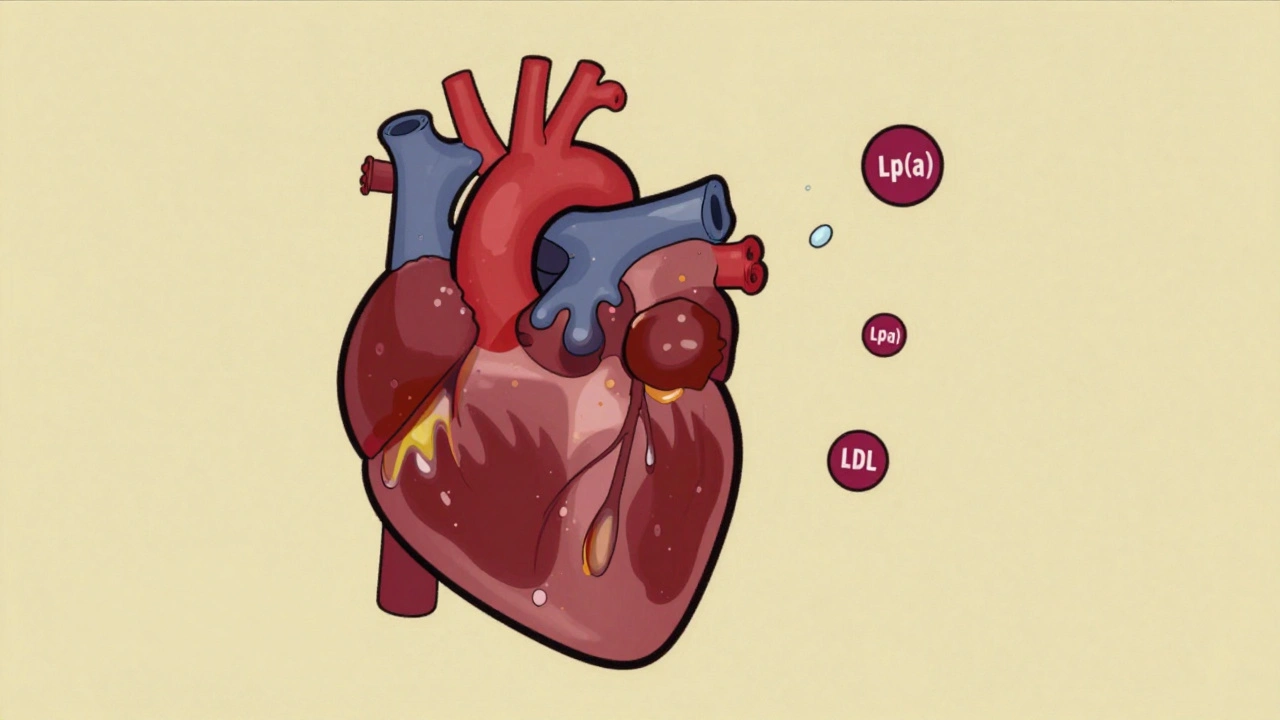
When it comes to heart disease, most people focus on cholesterol numbers like LDL and HDL. But there’s another player hiding in plain sight: lipoprotein(a), a genetically inherited form of LDL cholesterol that sticks to artery walls and triggers inflammation. Also known as Lp(a), it’s not affected by diet or exercise—and it can silently raise your risk of heart attack and stroke, even if your other numbers look perfect.
Unlike regular LDL, which responds to statins and lifestyle changes, lipoprotein(a) is mostly set by your genes. If your parents had early heart disease, especially without obvious risk factors like smoking or obesity, Lp(a) could be the hidden cause. It’s estimated that 1 in 5 people have high levels, and most never get tested because routine cholesterol panels don’t include it. You need a specific blood test to find out—and if you’re at risk, knowing early can change your future.
Lp(a) doesn’t just clog arteries—it also makes clots more likely. It carries a protein similar to those involved in blood clotting, so high levels mean your blood is more prone to forming dangerous blockages. That’s why people with elevated Lp(a) often have heart attacks in their 40s or 50s, even if they eat well and run marathons. And while statins won’t touch it, newer treatments like PCSK9 inhibitors and emerging RNA therapies are showing promise in lowering it significantly.
What you’ll find in these posts isn’t just theory—it’s real-world guidance. You’ll learn how to ask your doctor for an Lp(a) test, what numbers actually mean, how to interpret results alongside family history, and which medications or lifestyle moves can help reduce your overall risk. You’ll also see how Lp(a) connects to other hidden risks like IgA deficiency and batch variability in generics, where small differences in drug composition might matter more for people with genetic vulnerabilities. There’s no one-size-fits-all fix, but with the right information, you can take control before it’s too late.