Lp(a) Risk: What It Is, Why It Matters, and How to Manage It
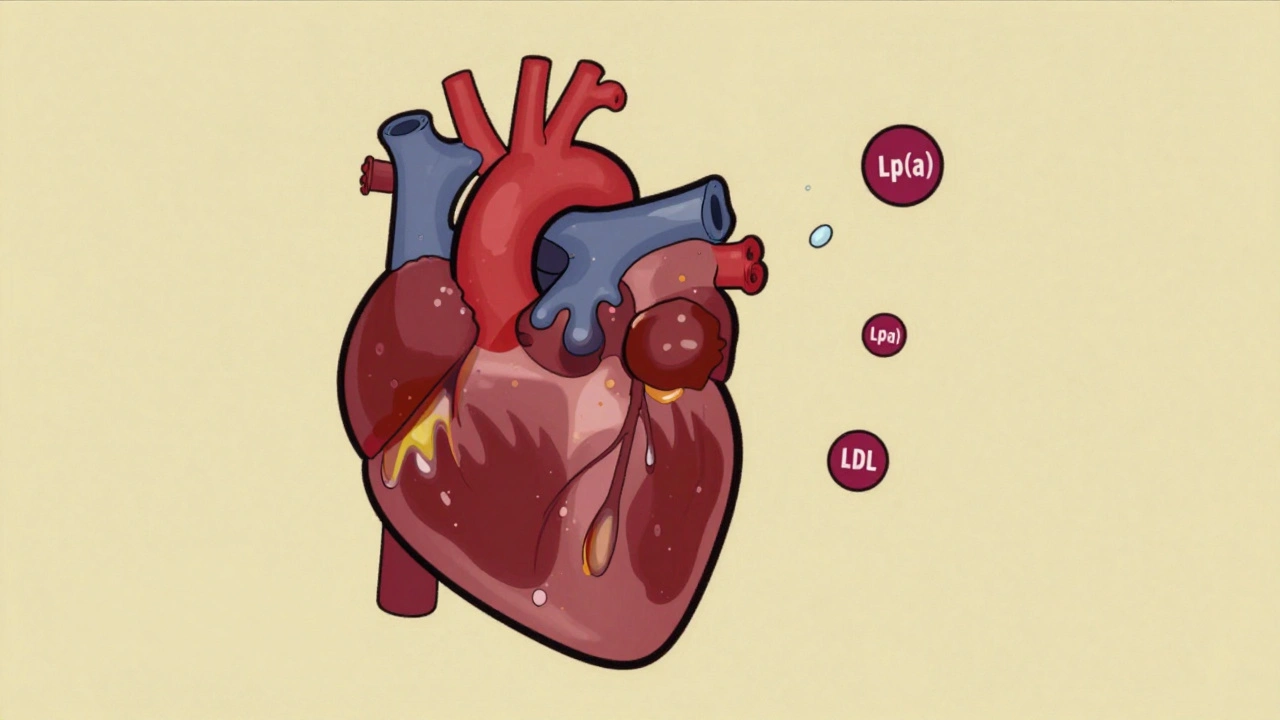
When it comes to heart disease, most people focus on LDL cholesterol—but Lp(a), a genetic form of cholesterol that sticks to artery walls and triggers inflammation. Also known as lipoprotein(a), it’s a silent threat that doesn’t respond to diet or statins the way regular cholesterol does. If your family has a history of early heart attacks, especially without high cholesterol or smoking, Lp(a) might be the missing piece.
Lp(a) risk isn’t about lifestyle alone—it’s inherited. You’re born with it, and levels stay mostly unchanged throughout life. Unlike LDL, which you can lower with diet, exercise, or meds, Lp(a) is stubborn. It’s not routinely tested, even though it can double your risk of heart attack or stroke. The good news? Once you know your level, you can start managing the downstream damage. High Lp(a) often goes hand-in-hand with other risks like high blood pressure, diabetes, or chronic inflammation. That’s why checking your cardiovascular risk, the combined chance of heart disease, stroke, or vascular events isn’t just about one number—it’s about seeing the whole picture.
Doctors can measure Lp(a) with a simple blood test, but most don’t order it unless someone has early heart disease or a strong family history. If you’ve had a heart event before 55 (men) or 65 (women), or if close relatives did, ask for it. And if your Lp(a) is high, focus on what you can control: lowering blood pressure, keeping blood sugar stable, avoiding smoking, and staying active. New drugs are coming—like pelacarsen and olpasiran—that directly target Lp(a)—but they’re still in trials. Right now, the best defense is early detection and aggressive management of other risks.
You’ll find real-world advice in the posts below: how to interpret lipid panels, what tests your doctor might miss, how genetic risks interact with medications, and how to push for better care when standard advice isn’t enough. These aren’t theoretical guides—they’re tools from people who’ve been there. Whether you’re trying to understand a recent test result or protecting someone you love, this collection gives you the facts you need to act—before it’s too late.