Nonmelanoma Skin Cancer: Types, Treatments, and What You Need to Know
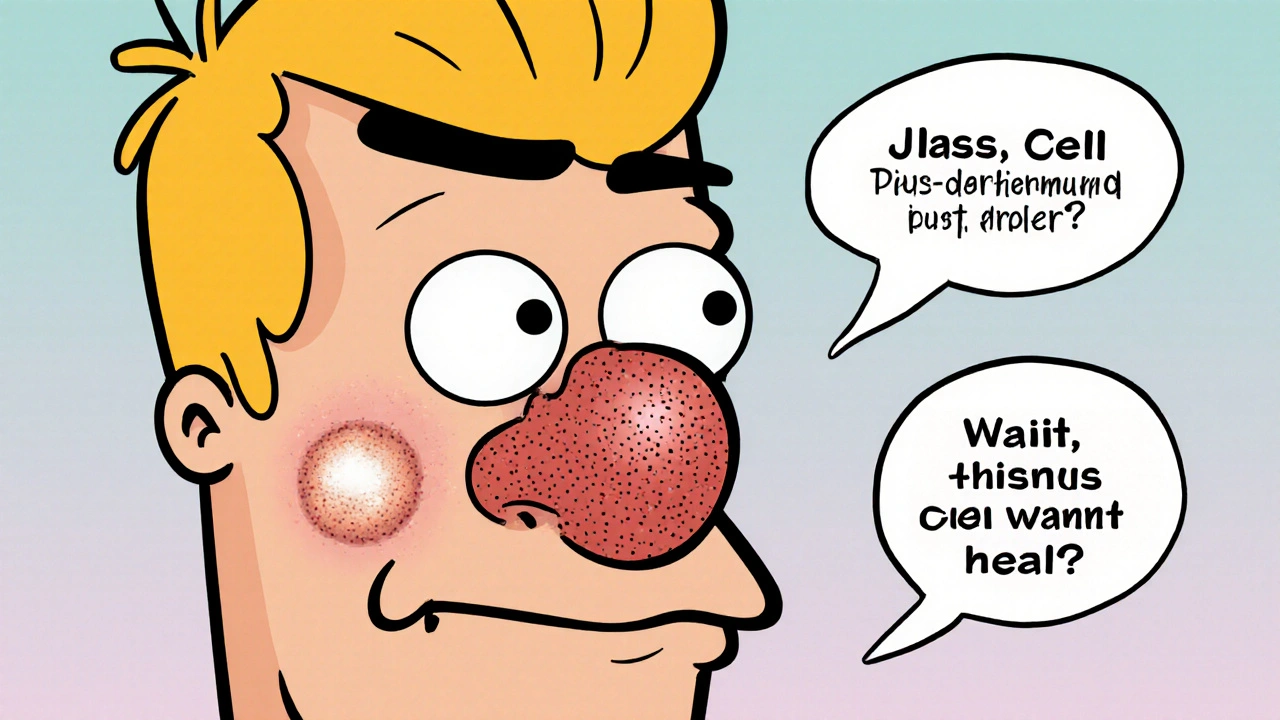
When people talk about skin cancer, they often think of melanoma—but nonmelanoma skin cancer, the most common type of skin cancer, including basal cell carcinoma and squamous cell carcinoma. Also known as keratinocyte carcinoma, it affects millions each year and is rarely deadly if caught early. Unlike melanoma, which starts in pigment cells, nonmelanoma skin cancer begins in the outer layer of skin, where cells called keratinocytes grow out of control. It usually shows up as a bump, sore, or scaly patch that doesn’t heal, often on areas exposed to the sun like the face, ears, neck, and hands.
This type of cancer is strongly linked to long-term UV exposure, whether from sunlight or tanning beds. People with fair skin, a history of sunburns, or those who work outdoors are at higher risk. But it’s not just about age—your daily habits matter more. Skipping sunscreen, not checking your skin regularly, or ignoring a persistent spot can let it grow unnoticed. The good news? Most cases are highly treatable. Topical creams like imiquimod or 5-fluorouracil can clear early-stage lesions without surgery. For deeper growths, procedures like cryotherapy, curettage, or Mohs surgery are common and effective. Mohs surgery, in particular, removes cancer layer by layer while preserving healthy tissue, making it the gold standard for sensitive areas like the nose or eyelids.
Nonmelanoma skin cancer doesn’t just affect the skin—it can impact your quality of life. A visible lesion on your cheek might make you avoid social situations. A recurring sore on your lip could make eating painful. That’s why early detection is so important. Regular self-checks, annual dermatologist visits, and knowing your skin’s normal appearance can catch problems before they spread. Even if you’ve had one removed, your risk stays higher. That’s why follow-up care and sun protection aren’t optional—they’re part of your long-term health plan.
You’ll find posts here that dive into real-world details: how to tell if a spot is harmless or something to worry about, what treatments actually work (and which ones are overhyped), and how to manage side effects from creams or surgeries. Some articles talk about how certain medications can increase your skin’s sensitivity to the sun, while others explain how to spot early signs of squamous cell carcinoma before it turns serious. You’ll also see advice on what to ask your doctor, how to protect kids from future risk, and why even cloudy days need sunscreen. This isn’t about fear—it’s about knowing what to look for and what to do next.