Opioid Detox: What Happens, How Long It Takes, and What Helps
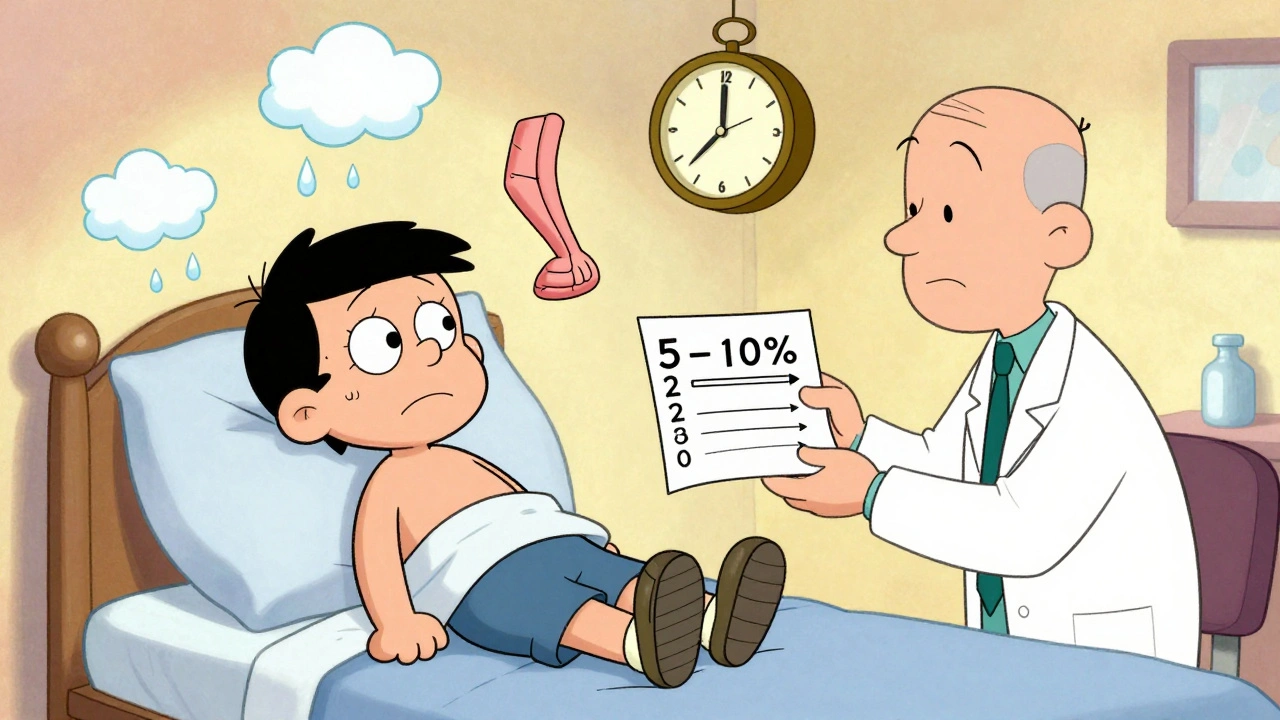
When someone stops using opioids after regular use, their body goes through opioid detox, the process of clearing opioids from the system while managing withdrawal symptoms. Also known as opioid withdrawal, it’s not just a physical cleanup—it’s the beginning of recovery, and it can be dangerous without proper support. This isn’t something most people can safely do alone. The symptoms start within hours, peak around day 3, and can last over a week. For some, cravings and mood issues drag on for months. That’s why detox isn’t the end goal—it’s the first step, and it needs medical oversight.
Medication-assisted treatment, the use of FDA-approved drugs like methadone, buprenorphine, or naltrexone to ease withdrawal and reduce cravings is the gold standard. Studies show people who use these medications during detox are far more likely to stay in treatment and avoid relapse than those who go cold turkey. You don’t just take a pill and feel better—you get a plan. This includes monitoring your vital signs, managing nausea or insomnia, and preparing for the next phase: therapy and long-term recovery. Opioid dependence, a medical condition where the brain adapts to opioids and can’t function normally without them isn’t a moral failure. It’s a brain disorder, and treating it like one makes all the difference.
What you’ll find in the posts below aren’t generic advice or scare tactics. These are real, practical guides on what to expect during opioid detox, how to spot dangerous symptoms, why some people need hospital care while others can manage at home, and which medications actually help—without adding new problems. You’ll also see how sleep, nutrition, and mental health support play a role in surviving the first days and weeks. No fluff. No jargon. Just what works.