Opioid Tapering Plan: How to Safely Reduce Pain Medication
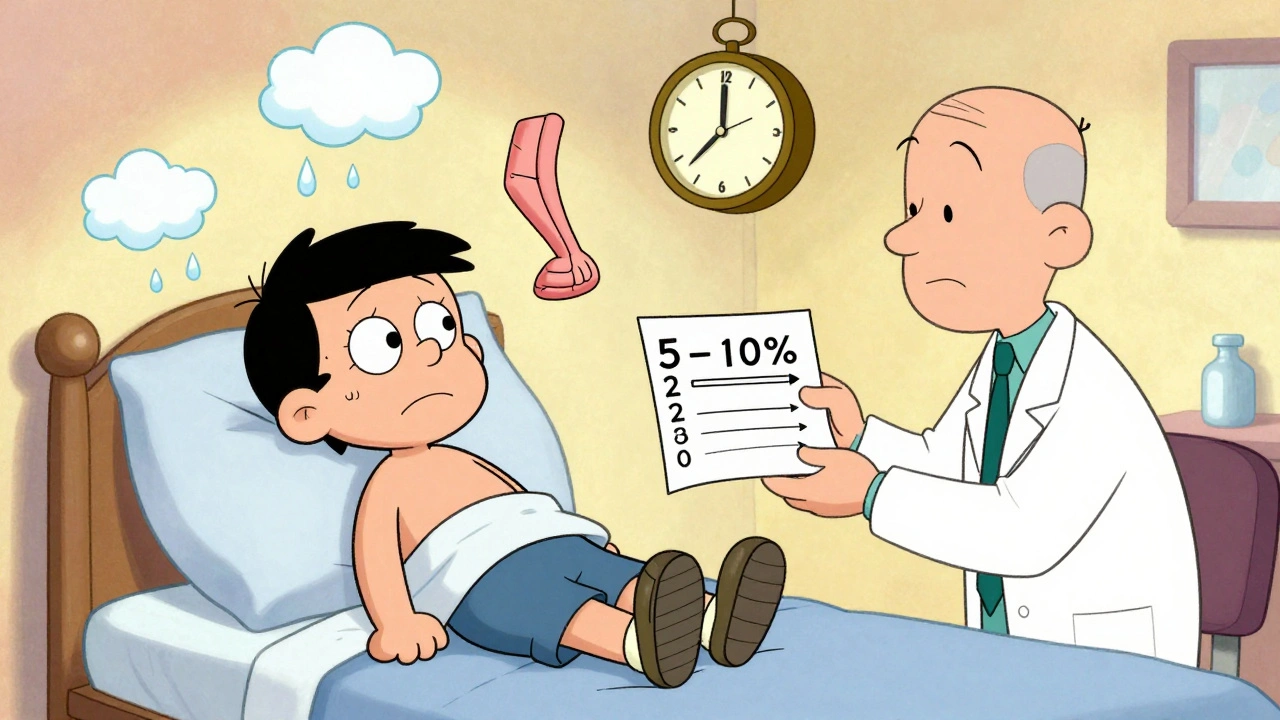
When you’ve been taking opioids for pain, stopping suddenly isn’t safe—or even possible. An opioid tapering plan, a structured, gradual reduction of opioid dosage under medical supervision. Also known as opioid weaning, it’s the only way to reduce dependence without triggering severe withdrawal or relapse. This isn’t about quitting cold turkey. It’s about giving your body time to adjust, one small step at a time.
People start an opioid tapering plan for different reasons: side effects, lack of long-term relief, or a doctor’s recommendation. But the goal is always the same—get you off opioids without making you sick. A good plan includes regular check-ins, symptom tracking, and sometimes adding non-opioid pain tools like physical therapy or nerve blocks. It’s not just about cutting pills. It’s about rebuilding how your body handles pain. And it works best when you’re not doing it alone. Support from your doctor, pharmacist, or even a counselor makes a real difference.
Some people worry about withdrawal symptoms—sweating, nausea, anxiety, trouble sleeping. Those are real, but they’re manageable. A slow taper, often over weeks or months, keeps those symptoms mild. The key is consistency. Skipping days or cutting too fast can backfire. Your body remembers the drug. If you rush, it fights back harder. That’s why plans vary: someone on 20 mg of oxycodone daily might drop 10% every two weeks. Someone on higher doses or with a history of addiction might need three months or more. There’s no one-size-fits-all. What matters is that the plan is personalized, monitored, and flexible.
It’s also important to know what else can help. Studies show that combining tapering with cognitive behavioral therapy improves success rates. So does using non-addictive pain meds like gabapentin or acetaminophen. Even simple things—staying hydrated, getting enough sleep, walking daily—can ease the transition. You’re not just reducing a drug. You’re rebuilding your health.
Below, you’ll find real, practical advice from people who’ve been through this. You’ll see how others tracked their doses, handled setbacks, and stayed on track. There’s no magic fix. But with the right plan, you don’t have to face this alone.