Pharmacy Expiration: What You Need to Know About Expired Medications and Safety
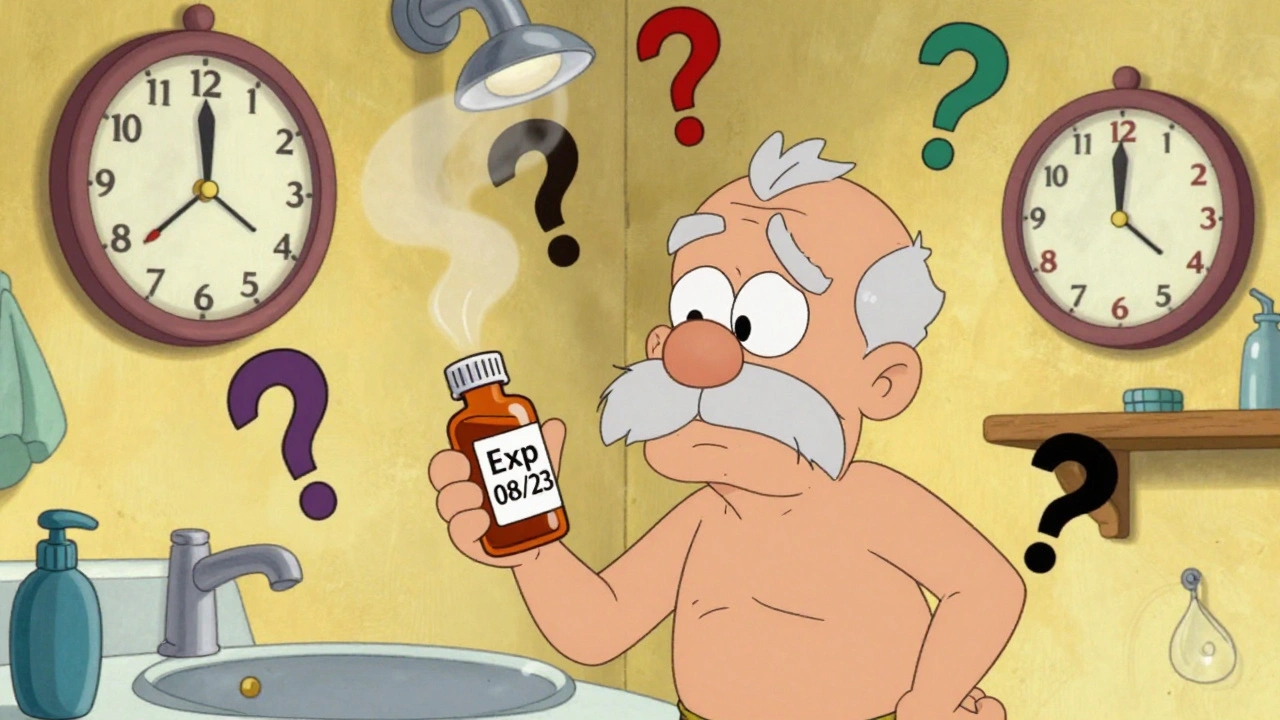
When you see an expiration date, the date a manufacturer guarantees a medication will remain fully potent and safe under proper storage. Also known as use-by date, it’s not just a suggestion—it’s a legal and safety boundary set by the FDA and drugmakers. Many people think expired pills are harmless, but that’s not always true. Some medications lose strength quickly after their date, while others can break down into harmful compounds. This isn’t theoretical: the FDA has documented cases of reduced effectiveness in antibiotics and insulin, and even toxic reactions from degraded medications like tetracycline.
Storage conditions, how and where you keep your meds. Also known as medication storage, it directly affects how long a drug stays safe and effective. Heat, moisture, and light can ruin pills long before the expiration date hits. Storing your insulin in a hot car, keeping antibiotics in a humid bathroom cabinet, or leaving nitroglycerin in your glovebox? That’s not just bad practice—it’s dangerous. The same pill stored properly in a cool, dry drawer can stay stable for years past its labeled date, while the same one exposed to humidity might fail in weeks. Studies from the FDA’s Shelf Life Extension Program show many drugs retain potency for years beyond expiration if stored right—but you can’t assume that’s true for your medicine unless you know how it was kept.
Expired medications, drugs past their labeled expiration date. Also known as out-of-date pills, they’re not all equal in risk. Some, like liquid antibiotics or eye drops, can grow bacteria after expiration and cause serious infections. Others, like epinephrine auto-injectors or heart medications, can lose potency fast—putting lives at risk if you rely on them in an emergency. But for many solid tablets—like pain relievers or allergy meds—the risk is lower. Still, you shouldn’t gamble. If you’re unsure, throw it out. Pharmacists see too many cases of people using old antibiotics for new infections, only to find the drug didn’t work because it had degraded. And that’s not just wasting money—it’s making infections harder to treat.
What you’ll find below are real, practical guides from people who’ve dealt with these issues firsthand. From how to check if your insulin is still good after a power outage, to why your grandmother’s aspirin bottle shouldn’t be kept near the sink, to how pharmacies handle returns of expired stock—you’ll get the no-fluff truth. No theory. No marketing. Just what works, what fails, and what you need to know to keep yourself and your family safe.