Polypharmacy: Risks, Interactions, and How to Stay Safe
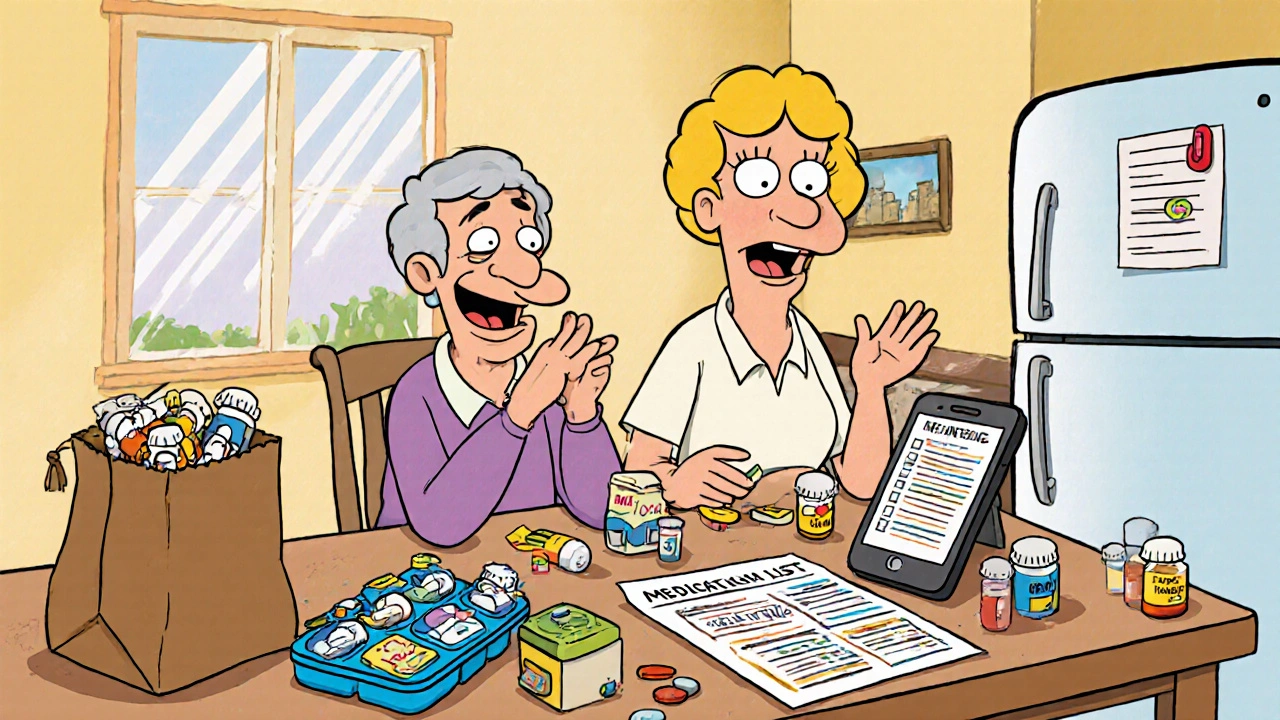
When you’re taking polypharmacy, the use of multiple medications by a single patient, often for different conditions. Also known as multiple drug therapy, it’s common among older adults, people with chronic illnesses, and those seeing multiple doctors. But it’s not just about having more pills—it’s about how those pills interact, compete, and sometimes hurt you.
One of the biggest dangers is drug interactions, when two or more medications affect each other’s action in the body. For example, mixing SSRIs, a class of antidepressants with MAO inhibitors can trigger serotonin syndrome—a life-threatening surge in brain chemicals. Or combining lithium, a mood stabilizer often used for bipolar disorder with common painkillers like NSAIDs can push lithium levels into toxic range. These aren’t rare edge cases. They happen daily in clinics and homes because no single doctor sees the full picture of what a patient is taking.
Psychiatric polypharmacy, the use of multiple psychiatric drugs at once, often without clear evidence of added benefit is especially risky. People on antipsychotics like olanzapine or clozapine may also get antidepressants, sleep aids, and anti-anxiety meds—all adding up. The result? Weight gain, diabetes, confusion, or worse. And when side effects show up, it’s hard to tell which drug is to blame. That’s where dechallenge and rechallenge, a clinical method to test if a drug caused a side effect by stopping and restarting it become critical tools. But most patients never get this kind of careful review.
It’s not just mental health meds. Diuretics, anticholinergics, and even cholesterol drugs like ezetimibe can pile up with others, raising risks for heat illness, confusion, or falls. The problem isn’t the drugs themselves—it’s the lack of coordination. A patient might see a cardiologist, a psychiatrist, a rheumatologist, and a primary care doctor—all prescribing without talking to each other. No one’s looking at the whole list.
You don’t have to accept this. If you’re on five or more medications, ask your doctor: "Which ones are absolutely necessary?" "Could any be stopped safely?" "Am I being monitored for side effects?" Many people find they can cut one or two pills without losing benefit—and gain back energy, clarity, or balance. The goal isn’t to stop everything. It’s to stop what’s doing more harm than good.
Below, you’ll find real cases showing how drug combinations backfire, how to spot hidden risks, and what steps to take when you’re caught in the middle of a medication maze. These aren’t theory pieces—they’re stories from people who lived it, and what they learned the hard way.