Tazarotene for Acne: How It Works, Side Effects, and What to Expect
When you're struggling with stubborn acne, tazarotene, a prescription-strength topical retinoid used to treat acne and psoriasis. Also known as Tazorac, it works by speeding up skin cell turnover, unclogging pores, and reducing inflammation. Unlike over-the-counter acne products that only treat surface bumps, tazarotene targets the root cause — trapped dead skin cells and excess oil deep in your pores.
It’s part of a family of drugs called retinoids, vitamin A derivatives that regulate skin cell growth, which also includes tretinoin and adapalene. But tazarotene is stronger than most OTC options and often prescribed when other treatments fail. It doesn’t just clear existing breakouts — it helps prevent new ones by keeping pores clear over time. Many users notice fewer blackheads and smaller pores after a few weeks, though it can take up to 12 weeks to see full results.
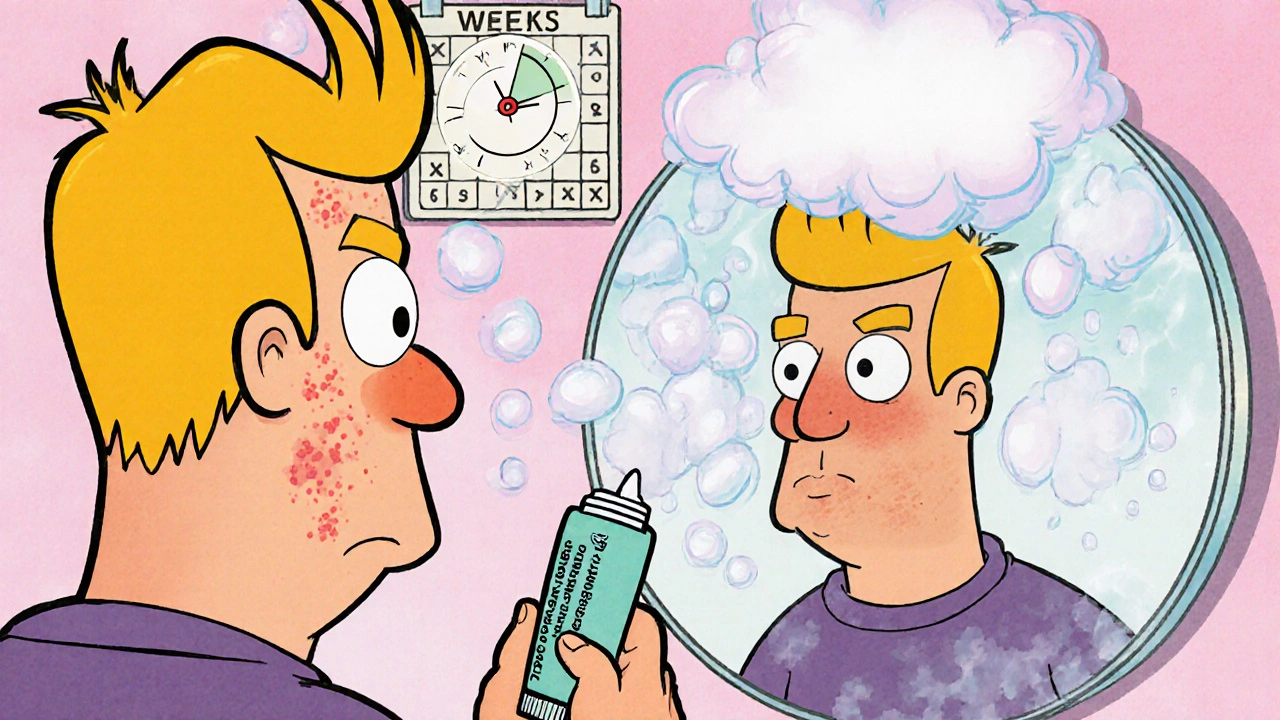
One thing to know upfront: tazarotene side effects, commonly include dryness, peeling, redness, and stinging, especially when you first start using it. This isn’t a sign it’s not working — it’s your skin adjusting. Most people get used to it after a month. Using a gentle moisturizer and applying it every other night at first can help reduce irritation. And because it makes your skin more sensitive to the sun, you absolutely need sunscreen every day, even in winter.
It’s not for everyone. If you’re pregnant or planning to be, avoid tazarotene — it’s a Category X drug, meaning it can cause birth defects. Also, don’t use it on broken or sunburned skin. It works best when paired with other acne treatments like benzoyl peroxide or antibiotics, but your doctor will guide you on what’s safe to combine.
What you’ll find in the posts below are real-world experiences and science-backed insights on how tazarotene fits into acne treatment plans. You’ll see how it compares to other topical treatments, what patients actually experience during the first few weeks, and how to manage the dryness and irritation that come with it. Some posts dive into how long it takes to see results, others explain why some people stop using it too soon. You’ll also find tips on how to layer it with moisturizers and sunscreens without making your skin worse.
There’s no magic fix for acne, but for many people, tazarotene is the turning point. If you’ve tried everything else and still have breakouts, it might be worth talking to your doctor about it — and knowing what to expect can make all the difference.