UACR: Understanding Urine Albumin-to-Creatinine Ratio for Kidney Health
When your kidneys aren’t working right, they leak protein—especially albumin, a protein that should stay in your blood, not pass into your urine. This leak is one of the earliest signs of kidney damage, and the UACR, the urine albumin-to-creatinine ratio, urine albumin creatinine ratio is the most common way doctors measure it. It’s simple: you give a single urine sample, and the lab compares how much albumin is there to how much creatinine—a waste product your body makes at a steady rate. That ratio tells them if your kidneys are leaking protein, even before you feel any symptoms.
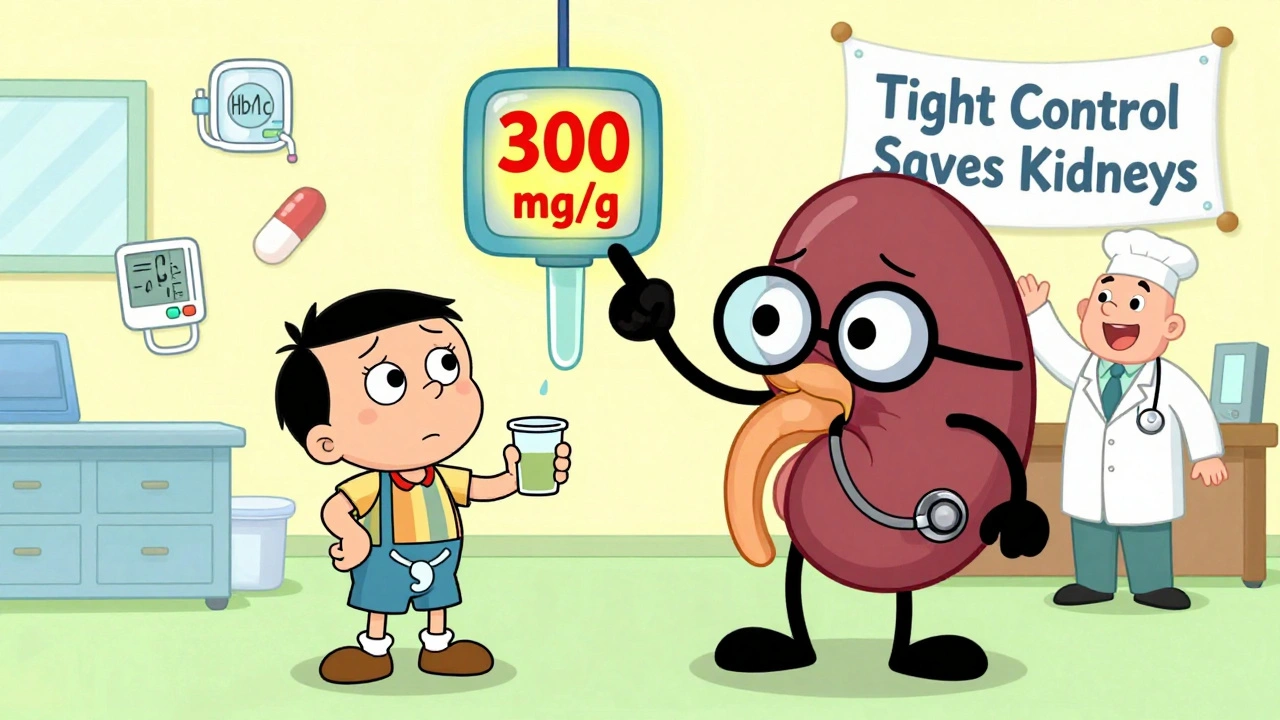
UACR isn’t just a number. It’s a warning sign. People with diabetes, a leading cause of kidney disease or high blood pressure, another major risk factor for kidney damage get this test regularly. A UACR over 30 mg/g means you have microalbuminuria—early kidney trouble. Over 300 mg/g? That’s macroalbuminuria, and it signals more serious damage. But here’s the good part: catching it early lets you slow or even stop the damage. Changing your meds, lowering your blood sugar, or cutting salt can make a real difference. And it’s not just for diabetics. People with heart disease, obesity, or a family history of kidney problems should also know their UACR.
What you’ll find in the posts below are real, practical stories and science about how UACR fits into everyday health. You’ll see how it connects to medications like SGLT2 inhibitors that lower UACR and protect kidneys, how it’s tracked alongside other kidney tests like eGFR, and why some people see their numbers drop after lifestyle changes. There’s also info on how UACR can be affected by things like dehydration, infections, or even intense exercise—so you don’t panic over a single high reading. These aren’t abstract medical reports. They’re clear, no-fluff guides written for people who want to understand what their test results mean and what to do next.