Why Your Balance Feels Off - And What You Can Do About It
If you’ve ever felt like the floor moved under you, or got dizzy just turning over in bed, you’re not alone. About 30% of adults over 65 fall at least once a year. Many of these falls aren’t caused by weakness or poor reflexes - they’re caused by your inner ear not sending the right signals to your brain. This isn’t just about feeling lightheaded. It’s about your body losing its sense of where it is in space. That’s where vestibular rehabilitation comes in.
Vestibular rehabilitation therapy (VRT) isn’t magic. It’s science. It’s about retraining your brain to trust the signals from your inner ear again - even if that ear is damaged. And it works. Studies show people who stick with VRT improve their balance by 73% and cut their fall risk by 53%. For many, it’s the difference between staying independent and needing help with everyday tasks.
How Vestibular Rehabilitation Actually Works
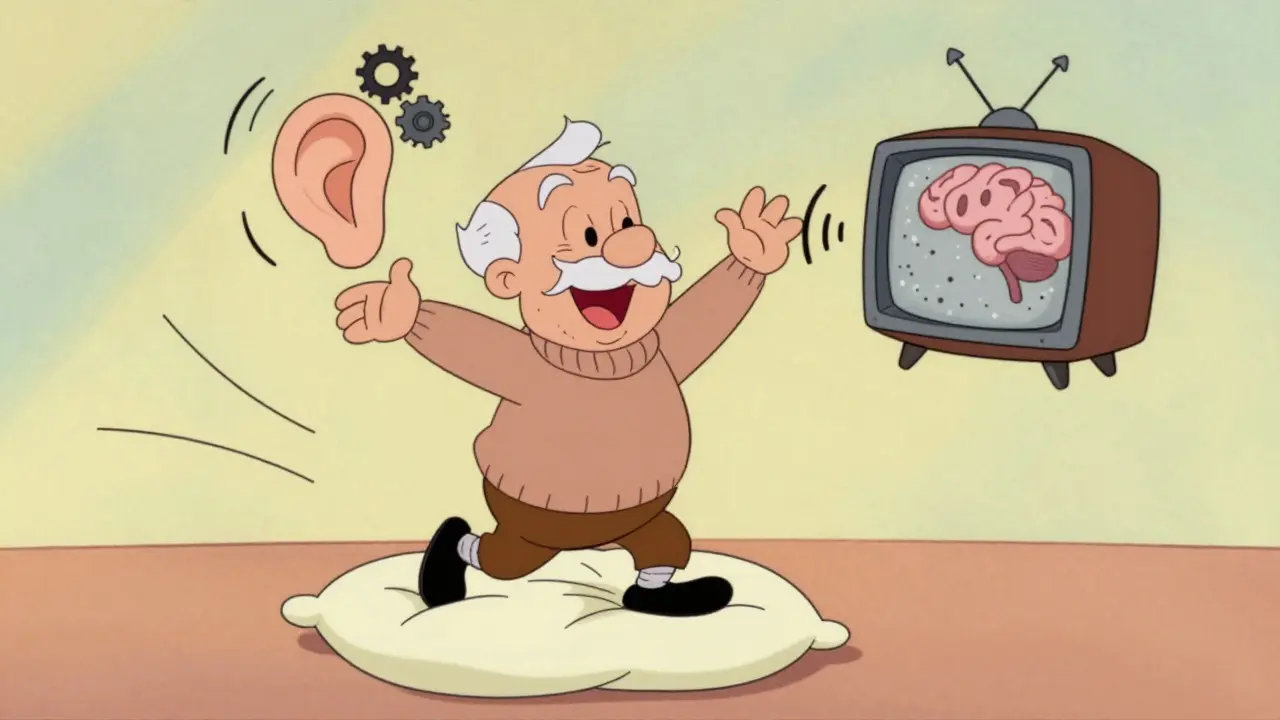
Your inner ear has tiny fluid-filled canals that sense head movement. When you turn your head, that fluid shifts, telling your brain which way you’re moving. But if something goes wrong - maybe from an infection, aging, or a head injury - those signals get mixed up. Your brain gets confused. You feel dizzy. You sway. You fear falling.
Vestibular rehabilitation doesn’t fix the inner ear. It fixes how your brain interprets what the ear is saying. Think of it like retraining a faulty GPS. The satellite signal (your inner ear) might be weak, but your brain can learn to use other clues - your eyes, your feet on the ground, your muscles - to figure out where you are.
The process relies on neuroplasticity - your brain’s ability to rewire itself. When you do the right exercises, your brain starts to compensate. It learns to ignore false signals and rely on the ones that are accurate. That’s why VRT isn’t about avoiding dizziness. It’s about safely facing it, again and again, until your brain no longer panics.
The Four Goals of Vestibular Therapy
Every VRT program is built around four clear goals:
- Improve gaze stability - So you can read a sign while walking, or follow a conversation without the room spinning.
- Enhance postural stability - So you don’t wobble when standing still, or lean too far when reaching for something.
- Reduce vertigo and dizziness - Many patients report a 42% drop in nausea and a 37% drop in headaches after just a few weeks.
- Restore daily function - Getting back to walking the dog, climbing stairs, or even just getting out of bed without fear.
These aren’t vague promises. They’re measurable outcomes backed by clinical studies. One patient, Rhonda from Texas, went from having dizzy spells every day to walking her neighborhood without fear - all through a simple home exercise routine.

What Your Vestibular Exercises Will Look Like
There’s no single set of exercises. Your program will be tailored to your specific problem. But most include these core components:
- Gaze stabilization - Focus on a small object (like a dot on the wall) while slowly moving your head side to side or up and down. Start slow. Do 10 reps, twice a day. As you improve, speed it up.
- Balance retraining - Stand on one foot. Then stand with your feet together, eyes closed. Then stand on a pillow. These aren’t meant to be easy. They’re meant to challenge your system.
- Habituation exercises - Do movements that trigger your dizziness - like turning quickly, bending over, or walking through a busy store. Do them on purpose. The goal isn’t to avoid the feeling. It’s to teach your brain it’s not dangerous.
- Walking and coordination drills - Walk forward, then backward, then sideways. Walk while turning your head. Walk on uneven surfaces. Use a curb or a line on the floor as a guide.
- Neck and shoulder mobility - Tight neck muscles can worsen dizziness. Gentle stretches help your head move more freely, reducing strain on the vestibular system.
You won’t need fancy equipment. Just a chair, a wall, and a quiet space. Some people use a foam pad or a pillow to make balance exercises harder. That’s it.
How Often Should You Do These Exercises?
Consistency beats intensity. You don’t need to spend an hour a day. Most therapists recommend doing exercises 3 to 5 times a day, for just 5 to 10 minutes each session. That’s less time than scrolling through your phone.
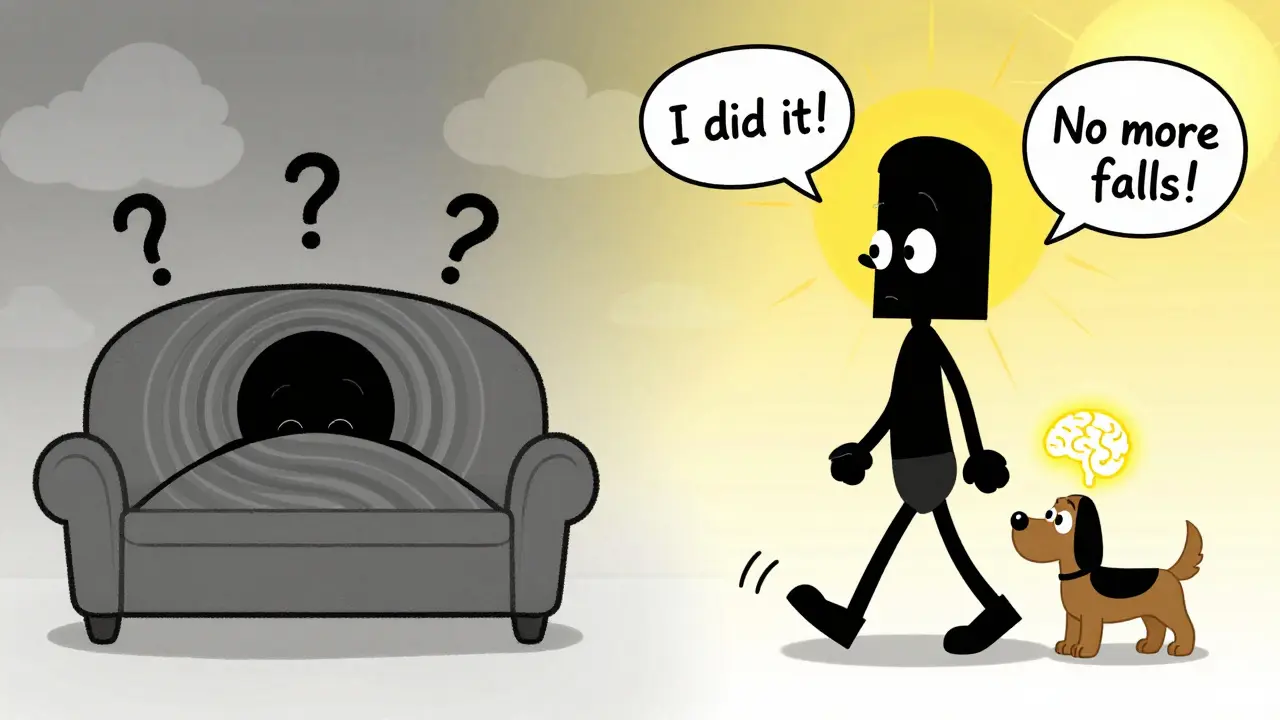
The key is repetition. Your brain needs to see the same movement over and over to rewire itself. One patient on Reddit went from falling 3-4 times a week to zero falls after 12 weeks of daily exercises. Another could finally read a book while walking - something they hadn’t done in years because their vision would blur with every step.
Don’t wait until you feel better to start. Start when you feel worst. That’s when your brain needs the training the most. Avoiding movement only makes your system more sensitive. Facing it gently, safely, and regularly is how you heal.
Who Can Benefit - And Who Shouldn’t Skip This
VRT isn’t just for older adults. It helps anyone with:
- Benign Paroxysmal Positional Vertigo (BPPV) - the most common cause of dizziness, affecting about 2.4% of people
- Vestibular neuritis - inflammation of the inner ear nerve
- Ménière’s disease - with its cycles of vertigo, hearing loss, and ringing
- Post-concussion dizziness
- Chronic imbalance after an illness or surgery
Age doesn’t matter. Neither does how long you’ve been dizzy. Even people with multiple health conditions - diabetes, arthritis, heart issues - have seen major improvements. One study showed VRT worked just as well in 80-year-olds as in 40-year-olds.
The only people who shouldn’t do these exercises are those with unstable medical conditions - like recent heart attacks or uncontrolled high blood pressure. If you’re unsure, talk to your doctor. But if you’ve been told your dizziness is "just aging," ask if VRT has been considered. It’s not a last resort. It’s the first step.
Why Most People Give Up Too Soon
Here’s the truth: VRT works - but only if you stick with it. Many people try for a week, feel worse, and quit. That’s normal. When you first start, your brain is confused. Dizziness might get stronger before it gets better. That’s not a sign it’s not working. It’s a sign your brain is learning.
One patient told her therapist, "I did the exercises for three days and felt like I was getting worse." The therapist said, "Good. That means you’re doing them right. You’re pushing your limits. Now keep going." She did. Within six weeks, she was gardening again.
Don’t compare your progress to someone else’s. Some people improve in 4 weeks. Others take 12. It depends on your condition, your health, how often you do the exercises, and how much stress you’re under. But if you do them consistently, you will improve.
Where to Start - And What to Expect
You don’t need a referral to begin. Many physical therapists specialize in vestibular rehab. Ask your GP, audiologist, or ENT for a recommendation. Look for clinics affiliated with major hospitals - like Penn Medicine, Princeton Sports and Family Medicine, or Texas Health Resources - they’ve been doing this for years.
Your first visit will include a short assessment: how you walk, how your eyes move with your head, your balance on different surfaces. Then you’ll get a personalized plan. You’ll likely have one or two supervised sessions a week, and daily home exercises.
Most people see noticeable changes in 4 to 6 weeks. By 8 weeks, 89% of patients report being able to do activities they’d avoided - like driving, shopping, or going out with friends.
And the best part? It’s low-cost. No pills. No surgery. Just your time and your willingness to move - even when it’s uncomfortable.
What Comes Next - The Future of Balance Recovery
Researchers are now testing virtual reality systems that simulate real-world movement - like walking through a crowded mall or riding a bus - to make exercises more realistic. Motion sensors are being used to track head movement with precision. But the core idea hasn’t changed: your brain can adapt. You just have to give it the right signals.
As the population ages, demand for VRT is growing. Clinics report a 27% increase in referrals since 2020. That’s not because more people are getting sick. It’s because more people are finally asking for help - and finding real answers.
You don’t have to live with dizziness. You don’t have to fear falling. Your balance can come back. Not perfectly, maybe - but well enough to live the life you want.
Can vestibular exercises help if I’ve been dizzy for years?
Yes. Even if you’ve had dizziness for months or years, your brain can still relearn how to compensate. Studies show VRT works for people with long-term vestibular damage, regardless of how long symptoms have lasted. The key is consistency - doing the exercises daily, even if progress feels slow.
Will I feel worse before I feel better?
It’s common. When you first start, your brain is being asked to process confusing signals. You might feel more dizzy, nauseous, or tired for a few days. That doesn’t mean you’re hurting yourself. It means you’re challenging your system. Keep going. The discomfort usually peaks within a week and then starts to fade.
Do I need special equipment for vestibular rehab?
No. You don’t need machines, sensors, or expensive tools. All you need is a chair, a wall for support, and maybe a pillow or foam pad. The exercises are designed to be done at home with everyday items. The therapy is in the movement, not the gear.
Can I do vestibular exercises if I have arthritis or other health issues?
Absolutely. VRT is adapted to your abilities. If standing is hard, exercises can be done seated. If walking is risky, balance drills can start with hand support. The goal is to improve function safely - not to push you beyond your limits. Many patients with arthritis, diabetes, or heart conditions have improved their balance and reduced falls using modified routines.
How do I know if I need vestibular rehab instead of medication?
Medication can mask dizziness, but it doesn’t fix the root cause. If you’re still falling, avoiding movement, or feeling unsteady even when you’re not dizzy, you likely need VRT. Medications like meclizine or benzodiazepines are meant for short-term relief - not long-term recovery. VRT teaches your body to heal itself. Ask your doctor: "Is this dizziness treatable with movement?" If they say yes, start today.
How long does vestibular rehab take to work?
Most people notice improvement in 4 to 6 weeks. Full recovery often takes 6 to 12 weeks, depending on the cause and how consistently you do the exercises. Some see results faster. Others take longer. The important thing is to keep going. Progress isn’t always linear - but it almost always happens with regular practice.