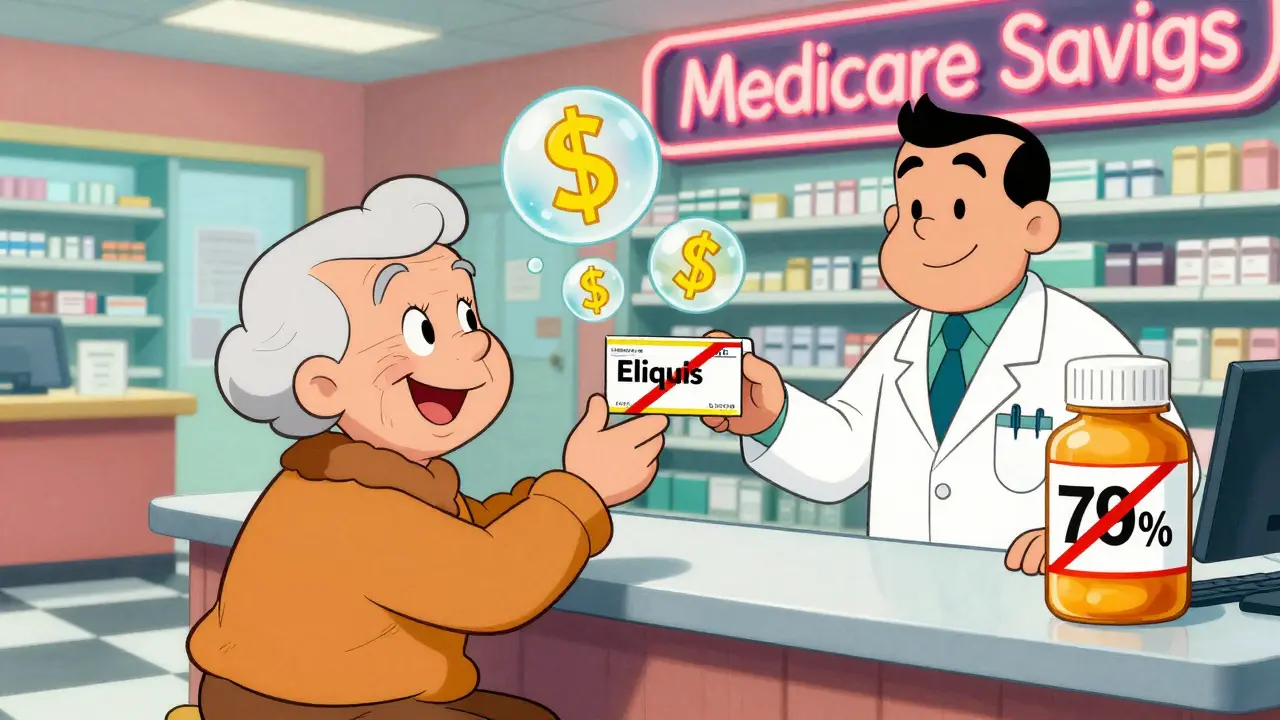
For years, Medicare couldn’t negotiate drug prices directly. That changed in 2022 with the Inflation Reduction Act. Starting January 1, 2026, the federal government will set new, lower prices for 10 high-cost prescription drugs - drugs like Eliquis, Jardiance, and Xarelto - that have no generic or biosimilar alternatives. These aren’t minor cuts. The negotiated discounts range from 38% to 79%, according to the Department of Health and Human Services. For many Medicare beneficiaries, this means paying hundreds less per year for essential medications.
How Medicare Picks Drugs to Negotiate
Not every drug is eligible. The law only allows negotiation for drugs that are at least 7 years old (or 11 years for biologics) and have no competition from generics or biosimilars. That means newer drugs, even if they’re expensive, are off-limits for now. The first 10 drugs were chosen because they cost Medicare the most - together, they totaled over $50 billion in spending in 2022. Eliquis alone accounted for $6.3 billion of that.
CMS, which runs Medicare, doesn’t just pick drugs randomly. They look at how many people use them, how effective they are, and whether there are cheaper alternatives. For example, if a drug is the only option for treating a serious condition like atrial fibrillation or type 2 diabetes, it’s more likely to be selected. The goal isn’t to push patients toward cheaper drugs - it’s to bring down the price of the ones they’re already taking.
The Negotiation Process - Step by Step
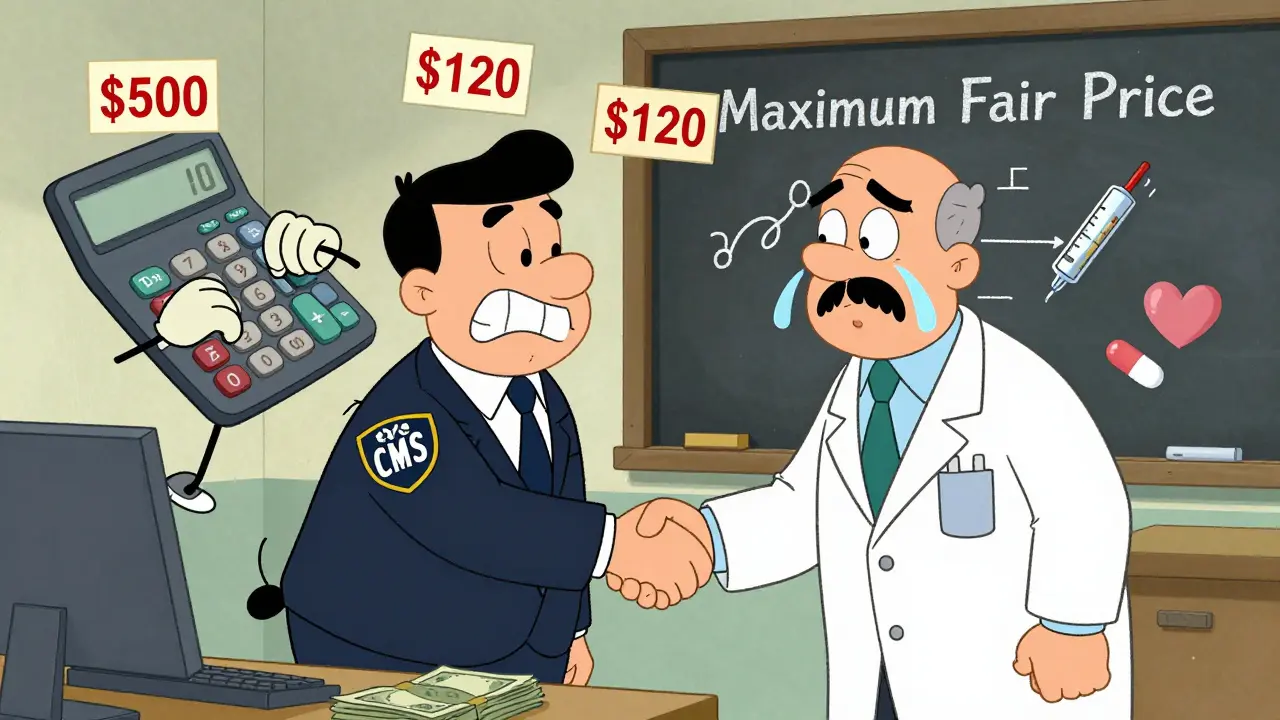
The negotiation process is tightly controlled by law. On February 1, 2024, CMS sent each drugmaker an initial price offer. Each offer included a clear explanation of how it was calculated, based on what Medicare actually paid in 2022, after rebates and discounts. The drug companies had exactly 30 days to respond with a counteroffer. Then, CMS held three in-person or virtual meetings with each company between March and July 2024.
Here’s how it worked in practice: CMS started low. Drugmakers started high. Over the meetings, CMS raised their offers slightly, while manufacturers lowered theirs. Five of the 10 drugs reached agreements during these meetings. The other five were settled through final written offers after the deadline. The final price can’t be higher than two limits: either the average price Medicare paid in 2022 (after all discounts), or a percentage of the drug’s average price across the U.S. market. This prevents manufacturers from claiming their drug is worth far more than what others are paying.
Why This Is a Big Deal for Insurers and Patients
Before this law, Medicare Part D - the prescription drug benefit - relied on private insurers to negotiate discounts with drugmakers. But those discounts didn’t always pass through to patients. Many people still paid full list price at the pharmacy, especially if they were in the “donut hole” coverage gap. Now, the new negotiated prices become the baseline for all Part D plans. That means insurers can’t charge more than the Maximum Fair Price set by CMS. Any extra rebate the insurer gets from the manufacturer is now theirs to keep - not a reason to raise premiums.
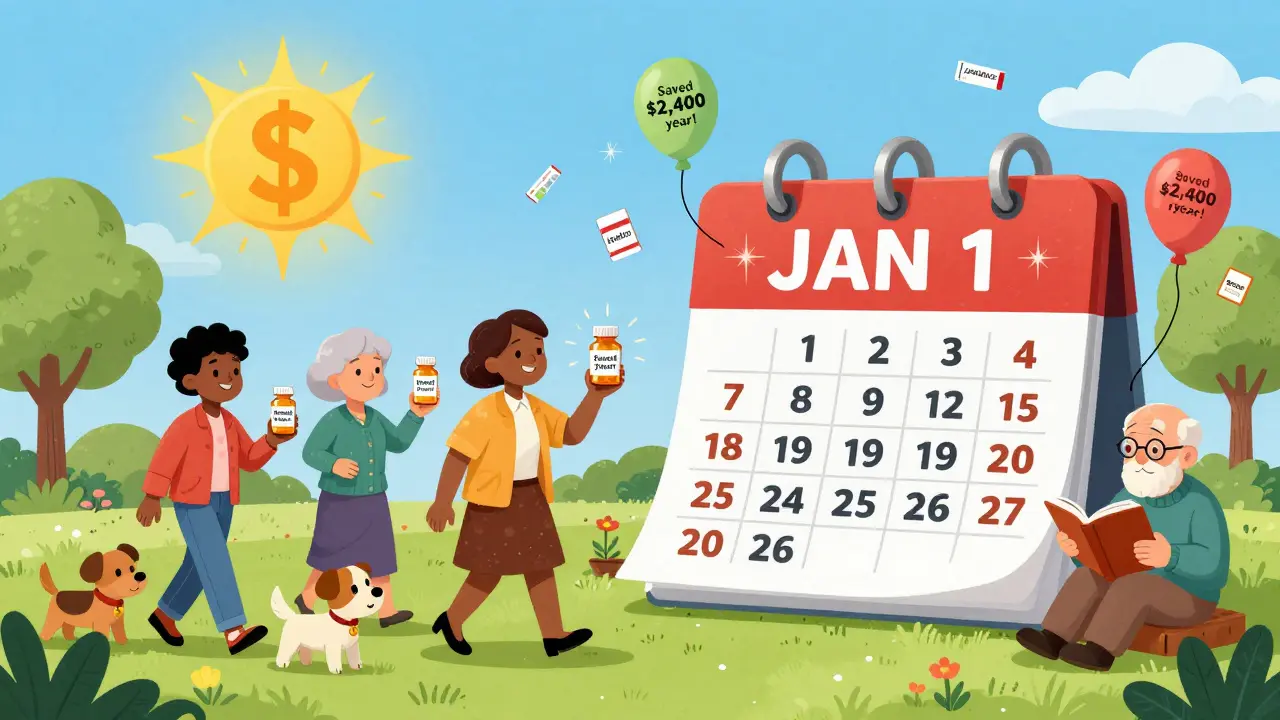
For patients, the impact is direct. Someone taking Eliquis, which used to cost over $500 a month, might now pay under $300. That’s a savings of $2,400 a year. For people on fixed incomes, that’s life-changing. The law also caps out-of-pocket spending at $2,000 a year for Medicare Part D beneficiaries starting in 2025 - so even if a drug isn’t negotiated, your total drug bill won’t go higher than that.
What About Private Insurers? Are They Getting Discounts Too?
Yes - but indirectly. The new Medicare prices don’t legally bind private insurers. But in practice, most commercial insurers use Medicare’s negotiated prices as a benchmark. If Medicare is paying $120 for a drug, it’s hard for a private insurer to justify paying $200. Many companies are already adjusting their formularies and pricing based on the new Medicare rates. The Pharmaceutical Care Management Association estimates private insurers could save $200-250 billion over the next decade just from this ripple effect.
Some pharmacies and pharmacy benefit managers (PBMs) are already updating their systems to reflect the new prices. By October 15, 2025, all Part D plans must have their pricing files updated so the new rates take effect on January 1, 2026. If you’re on Medicare, you’ll see the lower price automatically at the pharmacy counter - no extra steps needed.
What’s Next? The Expansion Plan
This is just the beginning. In 2027, 15 more drugs will be added to the negotiation list - including Farxiga and Stelara. By 2028, the program expands to Medicare Part B, which covers drugs given in doctors’ offices or hospitals, like cancer treatments and injections. That’s a bigger challenge because those drugs are administered by providers, not dispensed by pharmacies. But CMS has already released guidance for Part B pricing, and the same negotiation rules will apply.
The law requires at least 10 drugs each year after 2025, rising to 20 drugs annually by 2029. That means over 100 drugs could be negotiated by 2030. The goal isn’t to cut prices overnight - it’s to create a sustainable system where drugmakers know they can’t keep charging whatever they want for drugs with no competition.
Are There Any Downsides?
Drugmakers say yes. Companies like Pfizer and Bristol Myers Squibb sued to block the program, arguing it violates their constitutional rights. A federal judge dismissed those lawsuits in August 2024, but appeals are expected. The industry claims the program will hurt innovation - they say they’ll have less money to develop new drugs. But the Office of Management and Budget found those claims were exaggerated. In fact, the U.S. spends more on prescription drugs than any other country - and we don’t get better outcomes.
Some patient groups worry that lower prices could lead to fewer treatment options. If a drugmaker decides a drug isn’t profitable enough, they might stop making it. But CMS has built in safeguards: they won’t negotiate a drug unless there are other safe, effective alternatives available. And the law requires manufacturers to keep producing the drug for at least three years after negotiation.
What This Means for You
If you’re on Medicare and take one of the 10 negotiated drugs, you’ll see lower prices starting January 1, 2026. You don’t need to do anything. Your pharmacy will automatically charge the new price. If you’re on a private plan, your insurer may lower your costs too - you’ll see it in your next explanation of benefits.
If you’re not on Medicare yet, this matters too. The same drugs you’ll need in 10 years might be subject to negotiation by then. And if private insurers follow Medicare’s lead, everyone benefits from lower drug prices.
This isn’t about government overreach. It’s about fixing a broken system. For over 20 years, Medicare was told it couldn’t negotiate - while other countries like Canada and the UK did. Now, the U.S. is finally catching up. And for millions of people, that means more money in their pockets and less stress over their prescriptions.
Which drugs are affected by the new Medicare price negotiations?
The first 10 drugs selected for negotiation in 2026 are: Eliquis (apixaban), Jardiance (empagliflozin), Xarelto (rivaroxaban), Farxiga (dapagliflozin), Enbrel (etanercept), Lantus (insulin glargine), Trelegy (fluticasone furoate/umeclidinium/vilanterol), Stelara (ustekinumab), Imbruvica (ibrutinib), and Revlimid (lenalidomide). These were chosen because they’re high-cost, single-source drugs with no generic alternatives. More drugs will be added each year starting in 2027.
Will my prescription costs go down if I’m not on Medicare?
Possibly. While the new prices only legally apply to Medicare, most private insurers use Medicare’s negotiated rates as a benchmark. If Medicare pays $120 for a drug, insurers won’t want to pay $250. Many commercial plans have already started adjusting their pricing based on these new rates. You may see lower copays or premiums over time.
How are the negotiated prices calculated?
CMS calculates the Maximum Fair Price using two formulas: the average price Medicare paid in 2022 after all rebates and discounts, or a percentage of the drug’s average non-Federal Average Manufacturer Price (non-FAMP). The lower of the two becomes the cap. This ensures prices reflect real-world costs, not inflated list prices.
Can drugmakers refuse to negotiate?
No. If a drug is selected, the manufacturer must participate. If they refuse, they face a tax penalty - up to 95% of their total U.S. sales revenue for that drug. That’s a huge financial risk, so all 10 manufacturers agreed to negotiate. Some have challenged the law in court, but courts have so far upheld it.
When will I see the price changes?
The first negotiated prices take effect on January 1, 2026. Medicare Part D plans must update their systems by October 15, 2025. If you’re on Medicare and take one of the 10 drugs, you’ll see the lower price at the pharmacy counter starting January 1, 2026 - no action needed on your part.
Will this affect my access to my current medication?
No. The law requires manufacturers to keep producing the drug for at least three years after negotiation. Also, CMS only selects drugs where there are other safe and effective alternatives available. You won’t be forced to switch medications. Your doctor can still prescribe the drug you’re on - you’ll just pay less.