Diabetes doesn’t just mean checking your blood sugar. Left unmanaged, it quietly damages your kidneys, nerves, and eyes-often without warning. But here’s the truth: diabetic complications like kidney disease, neuropathy, and retinopathy aren’t inevitable. They’re preventable. And the people who avoid them aren’t doing anything magical. They’re just doing the basics, consistently, over time.
Why These Three Complications Matter Most
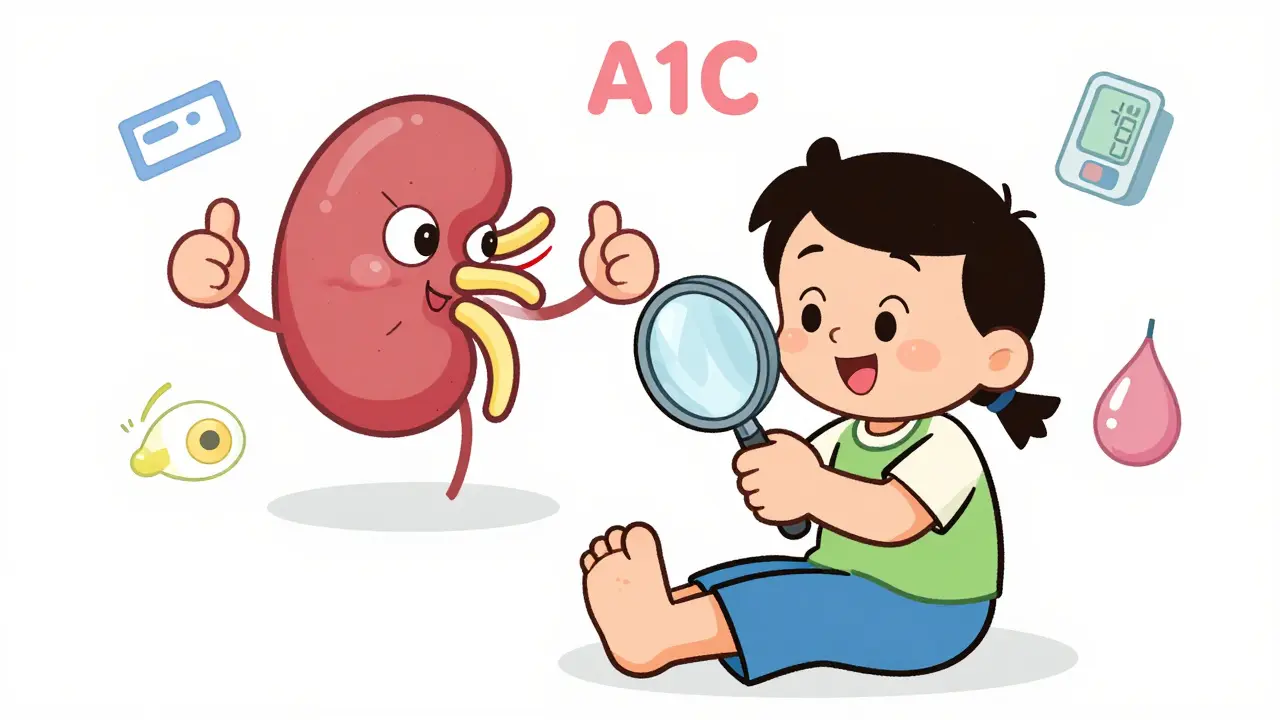
Every year, millions of people with diabetes face serious health setbacks because of three silent threats: diabetic nephropathy (kidney damage), peripheral neuropathy (nerve damage), and diabetic retinopathy (eye damage). These aren’t rare side effects. They’re common outcomes of long-term high blood sugar. Your kidneys filter waste from your blood. When sugar stays too high for too long, it damages the tiny filters inside them. Over time, this leads to protein leaking into your urine and eventually kidney failure. About 1 in 3 adults with diabetes will develop kidney disease. Nerve damage happens when high glucose levels choke off the small blood vessels that feed your nerves. This most often hits your feet and hands first. You might feel tingling, burning, or numbness. But here’s the danger: if you can’t feel a blister or cut, it can turn into an infection-and without quick treatment, that can mean amputation. One in five people with diabetes will develop a foot ulcer in their lifetime. In your eyes, diabetes weakens the blood vessels in the retina. These vessels can leak, swell, or grow abnormally. Without early detection, this leads to vision loss. But here’s the good news: if caught early, 95% of severe vision loss from diabetes can be prevented.The ABCs of Prevention: Blood Sugar, Blood Pressure, Cholesterol
Preventing these complications isn’t about one thing. It’s about three things working together: your A1C, your blood pressure, and your cholesterol. Doctors call this the ABCs. Your A1C measures your average blood sugar over the past 2 to 3 months. For most people, the goal is below 7%. But your doctor might set a different target based on your age, other health issues, or how long you’ve had diabetes. The key isn’t perfection-it’s consistency. Keeping your A1C near target cuts your risk of kidney disease by up to 40%, nerve damage by 30%, and eye damage by 25%. Blood pressure matters just as much. High pressure puts extra strain on your kidneys and eyes. The target? Below 140/90 mm Hg. For people with kidney disease, doctors often aim even lower-around 130/80. Medications like ACE inhibitors or ARBs aren’t just for blood pressure. They also protect your kidneys directly. Cholesterol isn’t just about heart attacks. High LDL (bad cholesterol) speeds up damage to blood vessels everywhere-including those in your eyes and nerves. Aim for LDL below 100 mg/dL. If you’re over 40 or have other risk factors, your doctor may recommend a statin, even if your cholesterol looks fine.New Medications Are Changing the Game
Gone are the days when the only tools were insulin and metformin. Today, two classes of drugs-SGLT2 inhibitors and GLP-1 receptor agonists-are proving to be game-changers. SGLT2 inhibitors (like empagliflozin, dapagliflozin) make your kidneys flush out extra sugar through urine. But they do more than lower blood sugar. In clinical trials, they reduced the risk of kidney disease progression by 30-40%. They also cut heart failure hospitalizations and lowered blood pressure. GLP-1 agonists (like semaglutide, liraglutide) slow digestion, reduce appetite, and help your body make more insulin when needed. They’re not just for weight loss. Studies show they lower A1C, reduce heart attacks and strokes by 14-26%, and slow kidney decline. Some people lose 10-15% of their body weight on these drugs-something that dramatically improves insulin sensitivity. These aren’t magic pills. But when combined with lifestyle changes, they’re the most powerful tools we’ve ever had to stop complications before they start.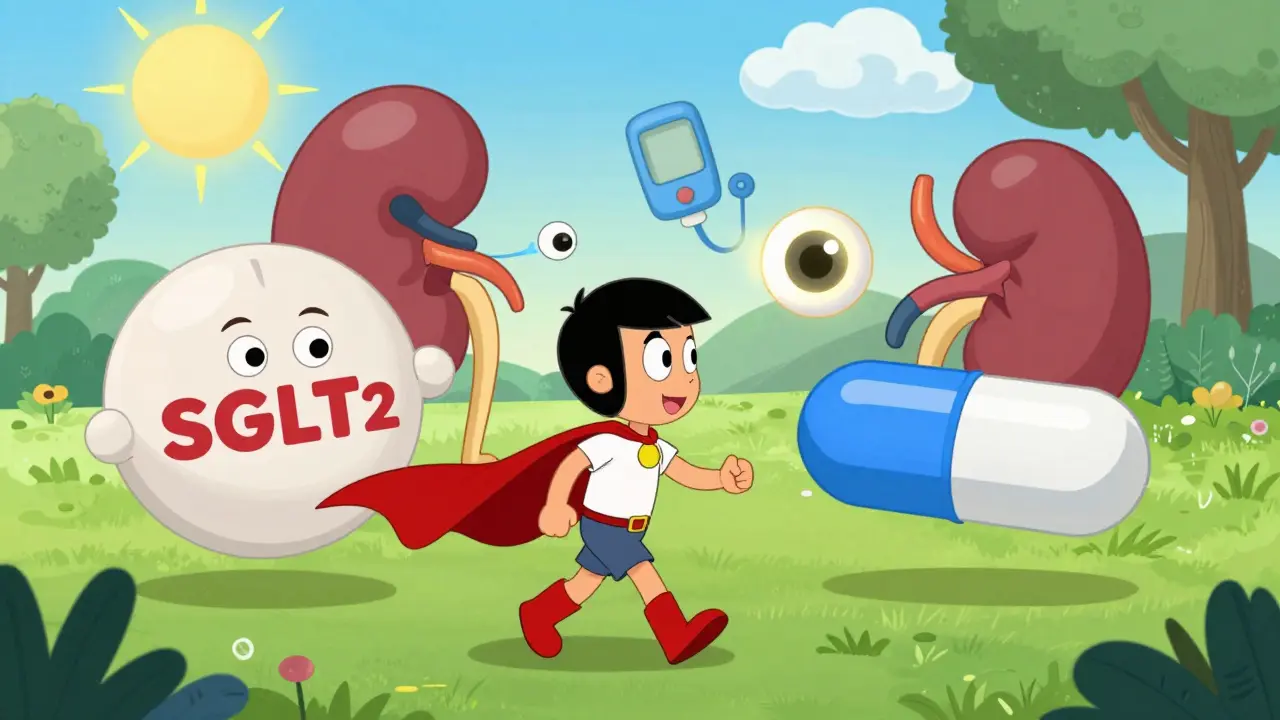
Foot Care: The Lifesaving Daily Routine
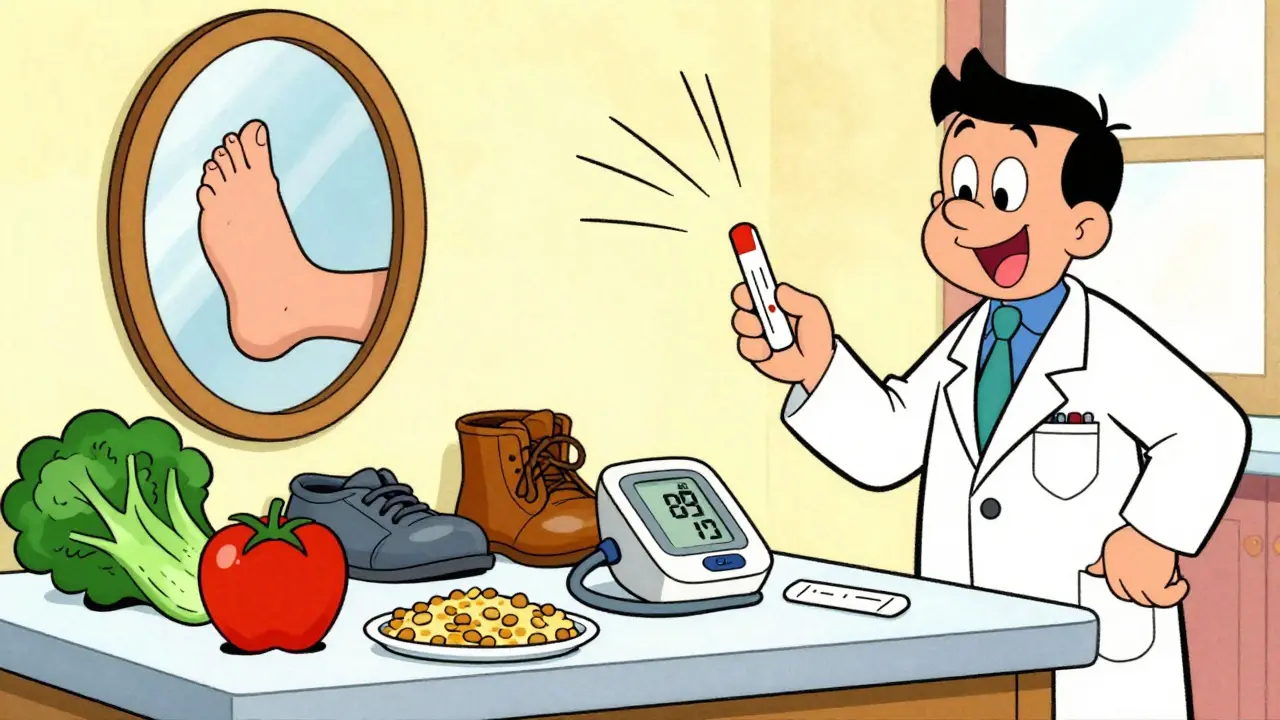
Neuropathy doesn’t announce itself with pain. It sneaks in with numbness. And that’s dangerous. Every single day, check your feet. Look between your toes. Feel for hot spots, cuts, blisters, or calluses. Don’t wait until something hurts. If you can’t see the bottom of your feet, use a mirror or ask someone to help. Wash your feet daily in lukewarm water. Dry them completely-especially between the toes. Moisturize your skin, but not between your toes. That’s where fungus thrives. Never go barefoot-not even inside. Wear shoes that fit well and socks without tight bands. If you notice a sore that doesn’t heal in a couple of days, see a podiatrist. Don’t wait. A small infection can turn into a hospital stay in days. Annual foot exams with your doctor aren’t optional. They’re non-negotiable.Eye Exams: The One Test That Saves Sight
You don’t need to wait for blurry vision to get your eyes checked. By the time you notice changes, damage may already be advanced. Get a comprehensive dilated eye exam every year. That means drops to widen your pupils so the doctor can see the back of your eye. No exceptions. Even if your vision feels fine. If you’re pregnant or have existing eye damage, you may need exams more often. Your eye doctor will tell you. Controlling your blood sugar and blood pressure is the best way to prevent retinopathy. But if early signs show up-tiny leaks or swelling in the retina-treatments like laser therapy or injections can stop it from getting worse. The window to act is small. That’s why yearly exams are your best defense.Kidney Monitoring: Two Simple Blood and Urine Tests
Your doctor should test your kidney function at least once a year. Two tests matter most:- Urine albumin-to-creatinine ratio (UACR)-checks for protein in your urine. Even small amounts signal early damage.
- Estimated glomerular filtration rate (eGFR)-measures how well your kidneys filter waste. A number below 60 means your kidneys aren’t working as they should.
Lifestyle: The Foundation of Prevention
Medications help. But without lifestyle changes, they won’t be enough. Move for at least 150 minutes a week. That’s 30 minutes, five days a week. Walk. Swim. Cycle. Dance. It doesn’t matter how, as long as you’re moving. Exercise improves insulin sensitivity, lowers blood pressure, and helps you lose weight. Lose 5-10% of your body weight if you’re overweight. That’s not about being thin. That’s about reducing fat around your liver and belly, which directly improves how your body handles sugar. Eat more vegetables, beans, whole grains, lean proteins, and healthy fats. Eat less added sugar, refined carbs, and ultra-processed foods. You don’t need a fancy diet. Just real food, mostly. Quit smoking. Smoking narrows blood vessels. It makes all diabetic damage worse-especially to your kidneys, nerves, and eyes. If you smoke, quitting is the single best thing you can do for your long-term health.What If You’re Already Doing Everything?
Some people do everything right-take their meds, watch their diet, exercise, check their feet-and still develop complications. That’s not their fault. Genetics, how long they’ve had diabetes, and even stress play roles. But here’s what matters: even if you develop early signs, catching them early means you can still stop them from getting worse. The goal isn’t perfection. It’s progress. Every small step adds up. People with diabetes today are living longer, healthier lives than ever before. Kidney failure rates have dropped. Amputations are down. Vision loss is less common. Why? Because more people are managing their ABCs, getting regular screenings, and using the right tools. You don’t need to be perfect. You just need to be consistent.What to Do Next
Start today. Not tomorrow. Not next month.- Check your A1C. If you haven’t had one in the last 3 months, call your doctor.
- Book your annual eye exam. Don’t wait for symptoms.
- Look at your feet tonight. Are there any cuts, cracks, or red spots?
- Ask your doctor: “Do I need an SGLT2 inhibitor or GLP-1 agonist?”
- Write down your ABC goals. Put them on your fridge.