Is It Okay to Ask for Brand Name?
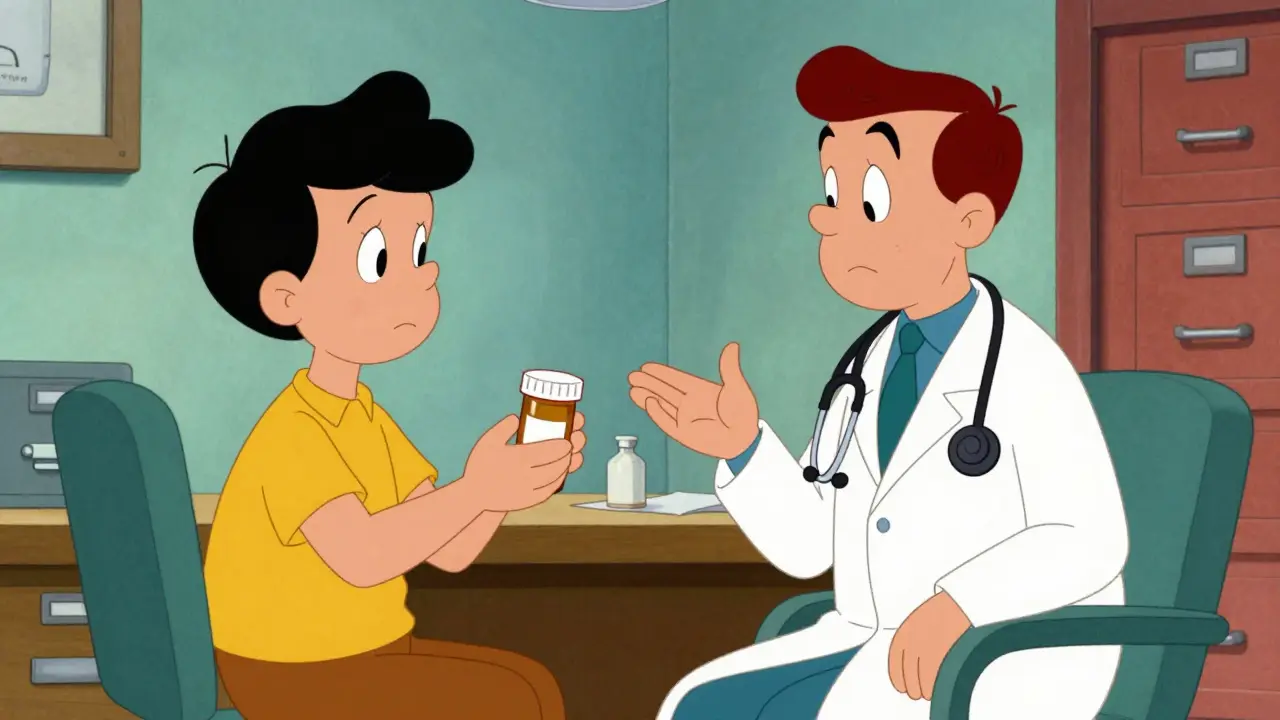
Sitting across from your doctor, holding a script for a life-changing drug, you spot the label: generic. For some medicines, this is a great thing-saving money, same results. For others, it feels like a gamble you didn’t agree to take. You know how your body reacts to the original version, but now there is pressure from insurers and pharmacies to switch. It’s a stressful conversation many patients avoid.
Brand Medication refers to the original pharmaceutical product developed by a specific company. It sets the standard for dosage, purity, and effect. While generic medications contain the same active chemical and are required to perform similarly in the body, subtle differences in manufacturing or fillers can sometimes lead to real-world issues for sensitive patients. You have every right to discuss your preference, especially when your health depends on precision.
This guide isn't about convincing everyone to pay more; it's about empowering you to advocate for what keeps you stable. Whether you are managing epilepsy, thyroid levels, or mental health conditions, knowing how to articulate your needs can prevent unwanted side effects or treatment failures.
| Feature | Brand Medication | Generic Medication |
|---|---|---|
| Active Ingredient | Identical molecule | Identical molecule |
| Inert Fillers | Specific proprietary formula | May vary (colors, binders) |
| Cost Impact | Higher out-of-pocket cost | Lower out-of-pocket cost |
| Consistency | Fixed manufacturer source | Multiple manufacturers may supply |
The Medical Reasons That Matter
Doctors know that for most drugs, generics are perfectly fine. They know the law requires them to meet bioequivalence standards-typically meaning they act within 80-125% of the brand's performance in the bloodstream. But here is the catch: being "close" isn't always enough for certain complex conditions.
If you fall into a category needing precise blood concentrations, the margin for error vanishes. These are known as Narrow Therapeutic Index Drugs-medications where small changes in dosage or absorption cause problems. Examples include anti-seizure drugs, warfarin (blood thinners), and levothyroxine (thyroid hormone). Studies suggest that even minor variations in absorption between manufacturers can result in breakthrough seizures or unstable heart rhythms. This isn't theoretical; documented cases show patients switching from brand to generic versions of antiepileptics experiencing higher rates of seizure recurrence.
Beyond the active ingredient, your reaction might hinge on Inactive Ingredients. These are the fillers, dyes, preservatives, and binders holding the pill together. While they sound unimportant, they trigger allergies in approximately 7% of sensitive individuals. Lactose, gluten derivatives, and specific food dyes found in some generic formulations are common culprits. If you notice skin rashes or stomach upset appearing only after a pharmacy substitution, this is your biological evidence.
Gathering Your Evidence Before the Visit
Walking into an appointment saying "I feel better on the brand" often gets dismissed as anecdotal. To get the doctor to write a "Dispense as Written" order-which tells the pharmacy not to substitute-you need hard data. The goal is to turn subjective feelings into objective medical records.
- Create a Symptom Diary: Track dates and specific symptoms for at least two weeks before the appointment. Note when you took the generic versus the brand. Did the generic last through the day, or did you feel fatigue by noon?
- Collect Lab Results: If your condition involves blood work (like INR for warfarin or TSH for thyroid), bring the charts showing the dip or spike after the switch. Visual data speaks louder than memory.
- List the Specific Generic Names: There are often multiple generic manufacturers for one drug. One brand might suit you, another won't. Find out exactly which batch caused the issue.
- Check for Allergies: Look up the inactive ingredients list online. If you see wheat or corn starch listed in the generic you rejected, verify you have a sensitivity and tell your doctor immediately.
Patients who arrive prepared increase their success rate significantly. A survey of healthcare providers indicates that nearly 80% of medication concerns get resolved when the patient presents organized documentation rather than vague complaints.
Using the SBAR Method to Communicate
Clinicians appreciate structured communication. You don't need to use medical jargon, but you do need clarity. Try using the SBAR Communication Framework, a tool used widely in hospitals to pass critical info quickly.
Situation: "Doctor, since I switched to the generic version of [Drug Name] on [Date], my symptoms have returned."
Background: "I had been stable on the brand medication for three years with no side effects."
Assessment: "Since the switch, I've experienced [List Symptoms], and my lab results show instability."
Recommendation: "I request we stay on the brand formulation due to this specific medical need."
This format saves time and cuts through the emotional noise. It frames the request as a clinical decision based on evidence, not personal preference. Doctors respond to logic; by presenting your case logically, you become a partner in your care rather than a demanding customer.
Navigating Insurance and Bureaucracy
Your doctor might agree, but the next hurdle is payment. In many healthcare systems, including the NHS and US commercial plans, insurance companies push for the cheapest option first. They require a "Prior Authorization" before they agree to pay for the more expensive brand version.
This sounds scary, but it's standard paperwork. Your doctor needs to sign off that the generic failed or that you have a contraindication (like an allergy) preventing its use. Be aware that this takes administrative time. Some clinics offer to handle the call themselves, while others need you to start the process.
Don't assume rejection means game over. Appeals are common. If a formulary restriction blocks the brand, ask about the "Exception Request" process. Documentation showing "Therapeutic Failure" with the generic is the strongest argument you can make. Data shows that requests backed by clear medical evidence succeed far more often than those based on convenience.

When Things Don't Work Out
Sometimes, despite your best efforts, funding is denied or the doctor insists the generic is clinically identical. In this scenario, ask about trying a single manufacturer of the generic drug instead of letting the pharmacy rotate options. Stability often comes from consistency, regardless of whether the box says "Brand" or "Generic."
You can also request that the pharmacist dispense the same supplier every time. Most pharmacists support this if the patient has stability issues. If all else fails, explore patient assistance programs offered by the pharmaceutical manufacturer. Many offer financial aid for those struggling with co-pay gaps, making the brand price feasible.
Frequently Asked Questions
Will my doctor think I'm being difficult?
Most doctors understand that health is unique. As long as you present your concerns calmly with evidence (symptoms, labs), they view it as good advocacy rather than rudeness.
Are generics actually safe?
For 99% of patients and medications, yes. Regulatory bodies rigorously test them for bioequivalence. However, individual tolerance varies, especially regarding inactive fillers.
Can I change back to brand if the generic makes me sick?
Yes. Contact your prescribing physician immediately. If you experience severe adverse effects, stop the new medication and return to your previous treatment if safe to do so.
How much extra does the brand cost?
This varies by country and insurance plan. Check your formularies; sometimes the copay difference is minimal once the brand moves down a tier in pricing.
What is a "Narrow Therapeutic Index" drug?
These are drugs where tiny differences in dose or blood levels can cause toxicity or loss of effect, making consistent formulation crucial.