Most people think if they get a rash after taking a pill, it’s just a side effect. But sometimes, it’s something far more serious - a drug allergy. Unlike side effects, which are predictable and common, a true drug allergy means your immune system is fighting the medicine like it’s an invader. And that can turn dangerous - fast.
What Does a Drug Allergy Actually Look Like?
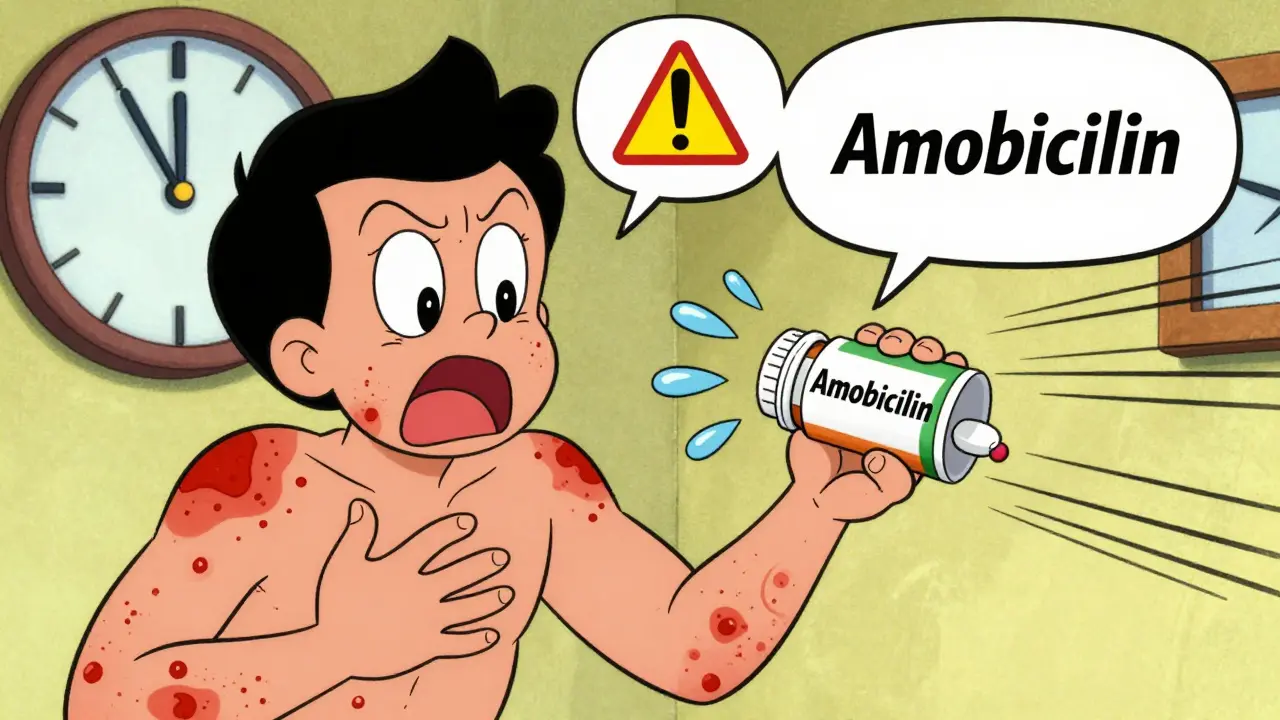
Drug allergies don’t always show up the same way. Some people get a mild itch. Others end up in the emergency room. The most common sign? A skin rash. But not just any rash. It’s often red, raised, and itchy - like hives. You might also notice swelling in your lips, tongue, or throat. That’s not normal. That’s your body sounding the alarm.
Timing matters too. If you take a new medication and break out in hives within an hour, it’s likely an IgE-mediated reaction. That’s the kind that can lead to anaphylaxis. But some reactions take days. A flat, red rash that spreads slowly over several days? That’s a delayed exanthem. It’s less urgent, but still needs a doctor’s eye.
Then there are the scary ones. If you develop a fever, blisters in your mouth or eyes, or large areas of skin peeling off, it could be Stevens-Johnson Syndrome or Toxic Epidermal Necrolysis. These are rare but life-threatening. Don’t wait. Go to the hospital immediately.
When It’s More Than a Rash: Anaphylaxis
Anaphylaxis isn’t just a bad rash. It’s a full-body emergency. It hits fast - usually within minutes to an hour after taking the drug. And it doesn’t stick to one system. If you have both a skin reaction and trouble breathing, swelling in your throat, vomiting, dizziness, or a rapid heartbeat - you’re having anaphylaxis.
It’s not something you can wait out. Your airway can close. Your blood pressure can crash. Calling 911 isn’t optional. If you have an epinephrine auto-injector (like an EpiPen), use it right away. Then get to the ER. Even if you feel better after the shot, you still need medical supervision. Symptoms can come back.
People often think, “I took this before and was fine.” That doesn’t mean it’s safe now. Allergies can develop after multiple exposures. One time you took amoxicillin with no problem. The next time, your body says no. That’s how it works.
Penicillin: The Most Misunderstood Allergy
More than 10% of people in the U.S. say they’re allergic to penicillin. But studies show over 90% of them aren’t. That’s not a typo. Nine out of ten people who think they’re allergic to penicillin can safely take it again.
Why does this matter? Because if you’re labeled allergic, doctors avoid penicillin. They give you something stronger, more expensive, and more likely to cause side effects like C. diff infections. That’s not just inconvenient - it’s dangerous.
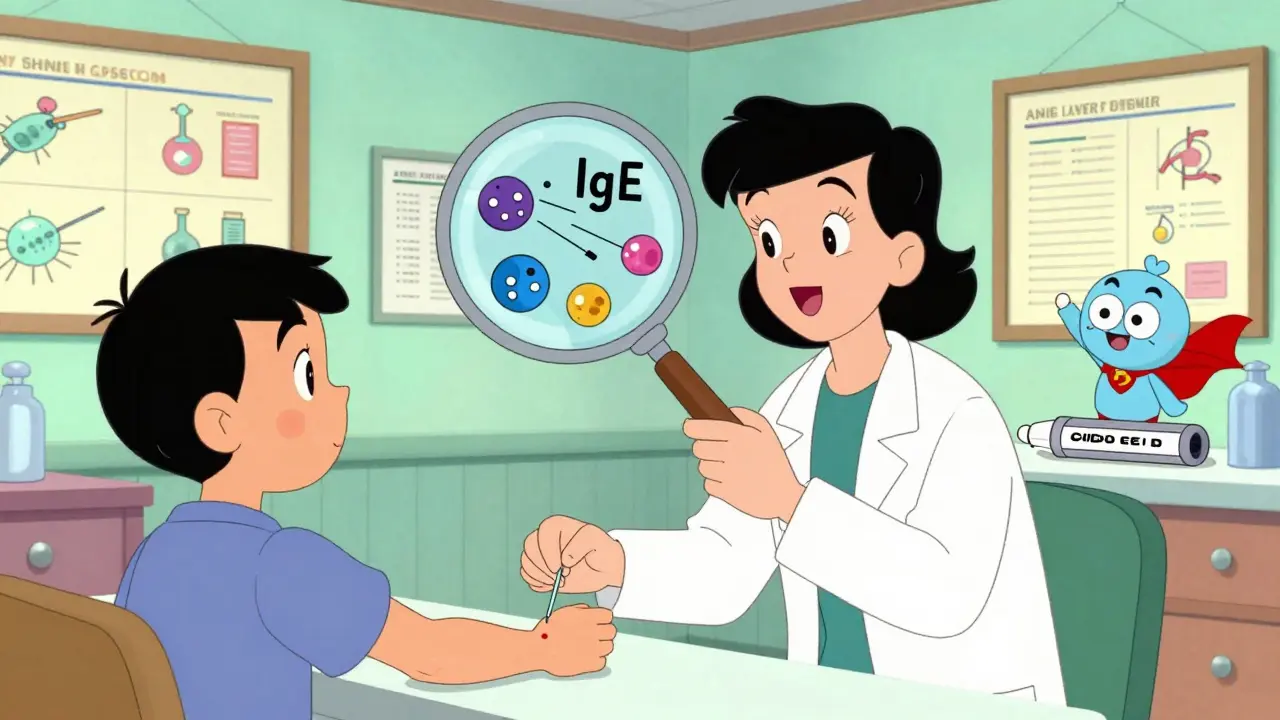
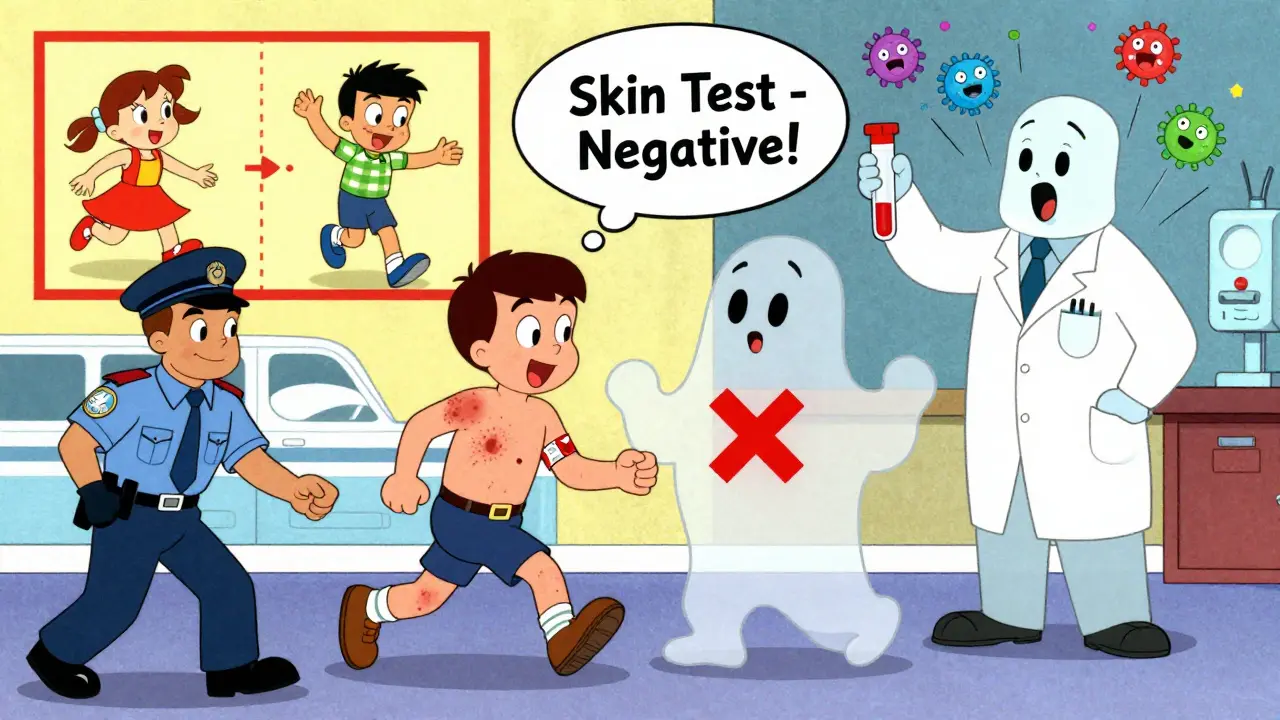
Penicillin is one of the few drug allergies we can actually test for. Skin testing - tiny pricks with diluted penicillin - is accurate and safe. If the test is negative, you might get a supervised oral challenge: a small dose of liquid penicillin, watched closely by an allergist. If nothing happens, you’re cleared. No more unnecessary warnings on your chart.
Don’t assume your childhood rash means you’re allergic for life. Get tested. It could change your future treatment options.
Delayed Reactions You Can’t Ignore
Not all drug allergies strike right away. Some take weeks. Serum sickness-like reactions show up one to three weeks after starting a drug. You’ll feel feverish, achy, swollen lymph nodes, and a rash that looks like hives. It’s easy to mistake for the flu - until you realize you’ve been on the same medication for over a week.
DRESS syndrome is even more complex. It stands for Drug Rash with Eosinophilia and Systemic Symptoms. It causes a widespread rash, high white blood cell counts, liver inflammation, and swollen glands. It can damage your organs. And it can flare up again even after you stop the drug.
If you develop unexplained fever, rash, and fatigue weeks after starting a new medication - especially antibiotics, antiseizure drugs, or allopurinol - talk to your doctor. Blood tests can help confirm DRESS. Stopping the drug is critical. Delaying care can lead to permanent organ damage.
What to Do When You Suspect a Drug Allergy
First, stop taking the medication - but only if it’s safe to do so. Don’t quit a heart or blood pressure drug without talking to your doctor. For most other meds, stop immediately and call your provider.
Take pictures. If you get a rash, take clear photos from different angles. Show them to your doctor. Many people don’t get seen right away. Photos help your doctor spot patterns and make a better diagnosis.
Write down everything: the name of the drug, when you took it, when symptoms started, how they changed, and what made them better or worse. This history is the most important tool doctors have. There are no simple blood tests for most drug allergies. Your story is the diagnosis.
See an allergist. Not your GP. Not the urgent care. A board-certified allergist or immunologist. They’re trained to sort out true allergies from side effects. They know which tests to use - and which ones don’t work. They can help you avoid unnecessary drug avoidance and find safe alternatives.
What Not to Do
Don’t self-diagnose. A headache after taking ibuprofen isn’t an allergy. It’s a side effect. An upset stomach from antibiotics? Also not an allergy. True allergies involve your immune system - and they usually involve skin, breathing, or swelling.
Don’t assume your reaction was “just a rash.” Even if it seemed mild, it could mean your body is primed for a worse reaction next time.
Don’t ignore a reaction because “it didn’t happen last time.” Allergies can appear after repeated exposure. Your immune system remembers.
Don’t let a mislabeling on your medical record go unchallenged. If you were told you’re allergic to penicillin based on a childhood rash - get tested. It’s safe. It’s quick. And it could save your life down the road.
How Doctors Confirm a Drug Allergy
For penicillin, skin testing is the gold standard. A small amount of the drug is placed under the skin. If you’re allergic, a red, raised bump appears within 15 to 20 minutes. If that’s negative, an oral challenge - under strict medical supervision - confirms you’re safe.
For other drugs, there’s no reliable test. That’s why your history matters so much. Blood tests can help in rare cases - like DRESS syndrome - by checking for high eosinophils or liver enzymes. But for most drugs, diagnosis is based on timing, symptoms, and ruling out other causes.
Re-challenge (reintroducing the drug) is sometimes used in controlled settings. It’s risky, but sometimes necessary to confirm or rule out an allergy. Only allergists do this. Never try it yourself.
Living With a Confirmed Drug Allergy
If you’re truly allergic, avoid the drug - and all similar ones. For example, if you’re allergic to penicillin, you may also react to amoxicillin or other beta-lactams. Your doctor will help you map out safe alternatives.
Wear a medical alert bracelet. Even if you think you’ll remember, in an emergency, you might not be able to speak. A bracelet tells first responders what to avoid.
Keep a list of your allergies on your phone and share it with your pharmacy and primary doctor. Update it every time you get tested or learn something new.
Know your emergency plan. If you’ve had anaphylaxis before, carry an epinephrine auto-injector. Learn how to use it. Teach your family too. Anaphylaxis doesn’t wait for a doctor to arrive.
Can you outgrow a drug allergy?
Yes, especially with penicillin. Many people who had a reaction as a child lose their sensitivity over time. But you shouldn’t assume it’s gone. Get tested by an allergist before taking the drug again. Never self-test.
Are all rashes from drugs allergic reactions?
No. Most rashes from medications are side effects, not allergies. True allergic reactions involve the immune system and often include itching, swelling, or breathing problems. A simple upset stomach or mild headache is not an allergy.
Can you be allergic to a drug you’ve taken before?
Absolutely. Your immune system can develop sensitivity after repeated exposure. The first time you took amoxicillin, you were fine. The second time, your body reacted. That’s how allergies develop.
Is penicillin allergy testing safe?
Yes, when done by a trained allergist. Skin testing uses tiny, diluted amounts of the drug. An oral challenge is done in a controlled setting with emergency equipment on hand. The risk of a reaction is low, and the benefit - avoiding unnecessary antibiotics - is huge.
What should I do if I think I’m having a drug allergy?
Stop the medication and call your doctor. If you have trouble breathing, swelling in your throat, dizziness, or a rash with fever - call 911 immediately. Don’t wait. Take photos of any rash. Write down the drug name and when you took it. Bring that info to your appointment.
Drug allergies are rare - but their consequences aren’t. A misdiagnosed allergy can lead to worse treatments, longer hospital stays, and higher costs. A missed diagnosis can lead to death. The key is knowing the difference between a side effect and a real immune response - and acting fast when it matters.
If you’ve ever had a reaction to a drug, don’t brush it off. Get it checked. You might be surprised what you find out - and how much safer your future care can be.