Allopurinol: What It Does, How to Take It, and Safety Tips
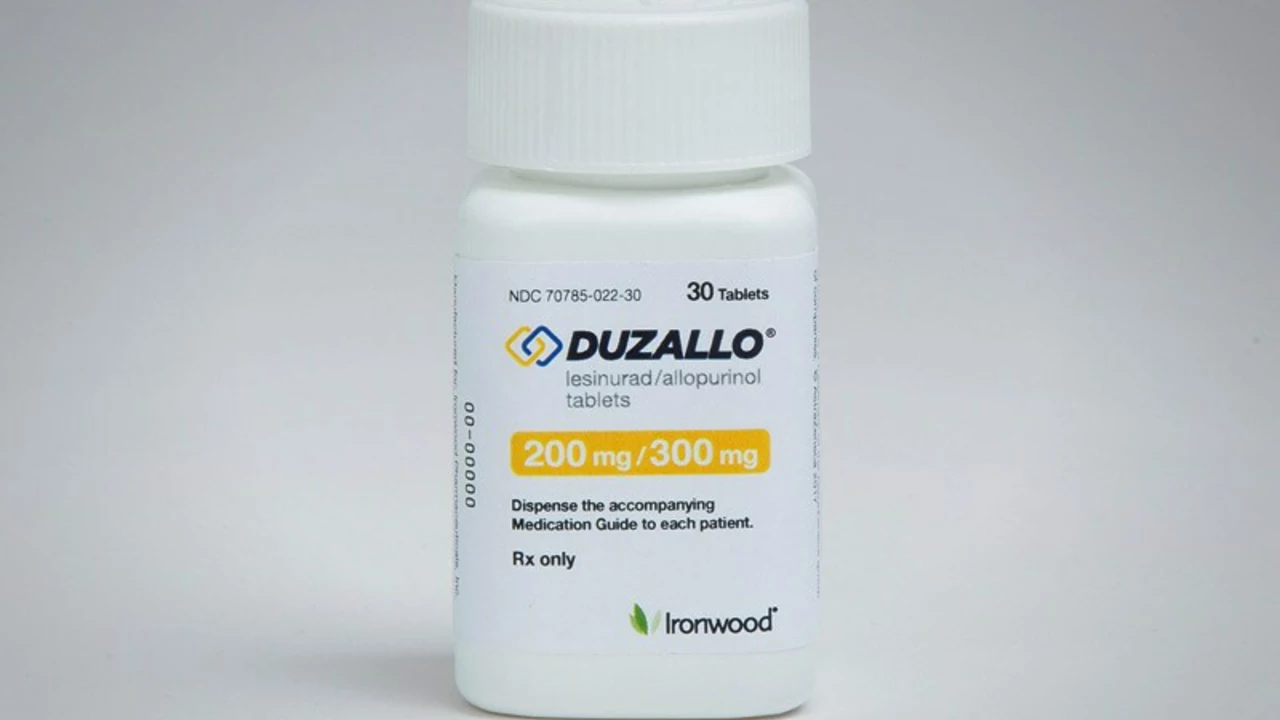
If gout or high uric acid is a problem, allopurinol is often the first long‑term drug your doctor will suggest. It blocks xanthine oxidase, the enzyme that makes uric acid. Over weeks to months it lowers uric acid, helps prevent gout attacks, and can shrink tophi (urate lumps).
Don’t expect instant pain relief. Allopurinol doesn’t stop an acute gout flare. If you start it during a flare, your doctor usually gives a pain treatment—colchicine, an NSAID, or a short steroid—until the uric acid falls and flares become less frequent.
Dosing and monitoring
Most adults start at 100 mg daily. Doctors raise the dose every few weeks until the serum uric acid hits the target (often under 6 mg/dL; lower targets apply for severe disease). Many patients end up on 200–300 mg daily; some need up to 600–800 mg under close supervision. People with kidney disease often start lower (for example 50–100 mg) and titrate more slowly.
Follow-up matters. Expect blood checks for serum uric acid, kidney function, and sometimes liver tests every few weeks when changing dose, then every few months once stable. If you get a new rash, fever, swollen glands, or sore throat, stop the drug and contact your doctor right away—these can be signs of a rare but serious reaction.
Interactions, risks, and practical tips
Don’t mix allopurinol with azathioprine or 6‑mercaptopurine without clear dosing changes—those combos can cause dangerous bone marrow suppression. Febuxostat is another uric‑lowering option, but it has different risks and cost issues, so discuss it if allopurinol isn’t suitable.
One important risk is allopurinol hypersensitivity syndrome (AHS). It’s rare but can be life‑threatening. Certain people have higher risk: those with reduced kidney function and people who carry the HLA‑B*5801 gene. Many doctors test for HLA‑B*5801 in patients of Han Chinese, Korean, or Thai descent, especially if kidney disease is present.
Practical tips you can use today: take allopurinol after a meal to cut stomach upset and drink plenty of water to help the kidneys. Don’t stop it suddenly—stopping can trigger more gout attacks. When starting treatment, your doctor may give a short course of colchicine (for example 0.6 mg daily) or low‑dose NSAID for 3–6 months to prevent flares triggered by changing uric acid levels.
Cut down on alcohol and very high‑purine foods (organ meats, some shellfish) to help the medicine work. Keep a current list of medicines with you—so any new prescriber avoids dangerous drug combinations. If you’re pregnant, planning pregnancy, or have serious liver or kidney disease, talk to your doctor—treatment plans change in those situations.
Ask your doctor about the treatment goal, expected timeline (months for fewer attacks; longer to shrink tophi), and testing for HLA‑B*5801 if you’re at higher risk. With proper monitoring and a few lifestyle tweaks, most people see fewer gout attacks and better control of uric acid levels.