Batch Variability: Why Your Medication Might Not Work the Same Way Twice
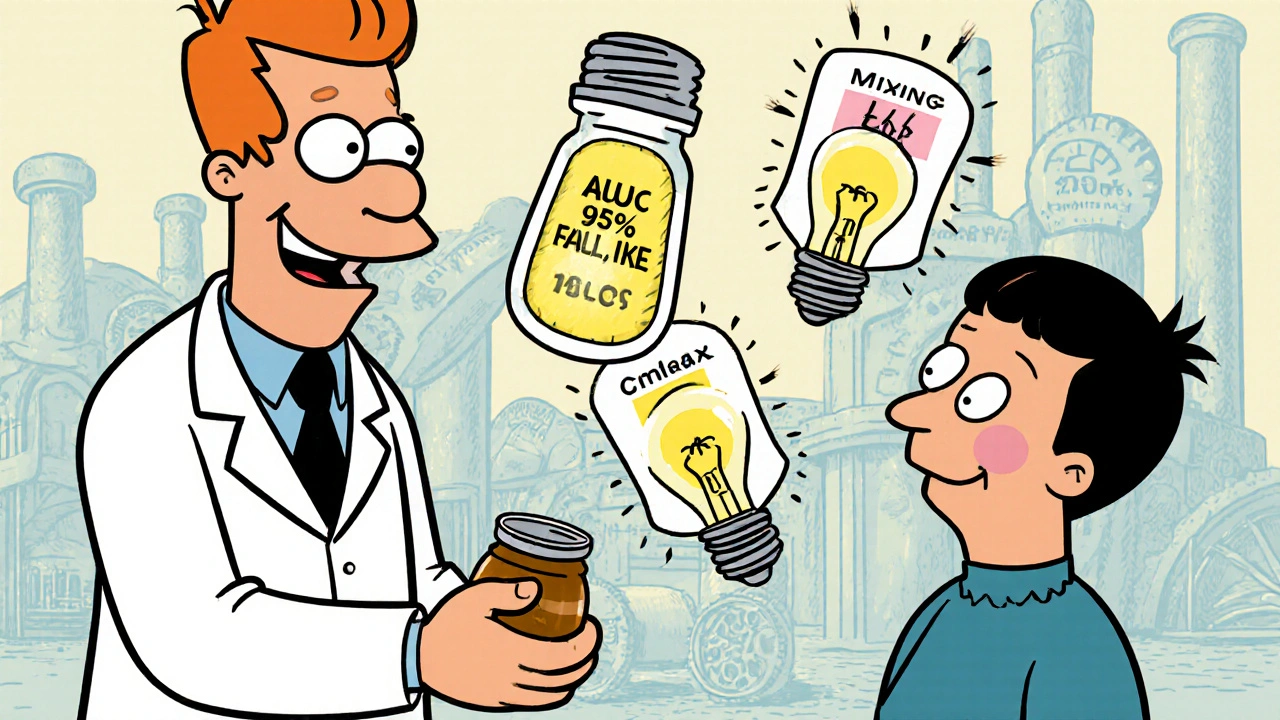
When you pick up a prescription, you assume the pill in your hand will behave exactly like the one you took last month. But batch variability, the small but real differences in how identical-looking drugs perform based on when and where they were made. This isn’t a flaw in your body—it’s a hidden reality of how medicines are produced. Even if two bottles say "atorvastatin 20 mg," the active ingredient might dissolve slower, bind differently, or be absorbed less efficiently depending on the manufacturing batch. The FDA allows a 20% range in bioequivalence for generics, and that gap can mean the difference between control and crisis—for someone with epilepsy, heart disease, or depression.
Generic drugs, medications that copy brand-name drugs after patents expire are the backbone of modern healthcare, making up 90% of U.S. prescriptions. But behind that number is a complex web of suppliers, equipment, solvents, and drying times—all of which affect the final product. Drug efficacy, how well a medication works in real-world use doesn’t always match lab results. A 2020 study in JAMA Internal Medicine found patients switching between generic batches reported sudden changes in side effects or effectiveness, especially with narrow-therapeutic-index drugs like warfarin or levothyroxine. Medication consistency, the ability of a drug to perform the same way across batches and over time is something patients rarely think about—until it breaks.
Manufacturers aren’t cutting corners. They’re following legal standards that allow for variation. But if you’re on a drug where tiny changes matter—like thyroid meds, seizure controls, or blood thinners—your body might notice before your doctor does. You might feel more tired, have more seizures, or see your INR climb for no clear reason. That’s not anxiety. That’s batch variability in action. The good news? You can track it. Keep your pill bottles. Note the lot numbers. Tell your pharmacist if you feel different after a refill. Some pharmacies even let you stick with the same manufacturer’s version. And if you’re switching between generics often, ask if an authorized generic (made by the brand company) is available—it’s the same formula, just cheaper.
Below, you’ll find real patient stories and expert breakdowns on how this invisible inconsistency shows up in daily life—from thyroid meds that stop working, to antidepressants that lose their punch, to generics that trigger side effects you never had before. These aren’t rare cases. They’re common, underreported, and fixable—if you know what to look for.