COPD Triggers: What Makes Symptoms Worse and How to Avoid Them
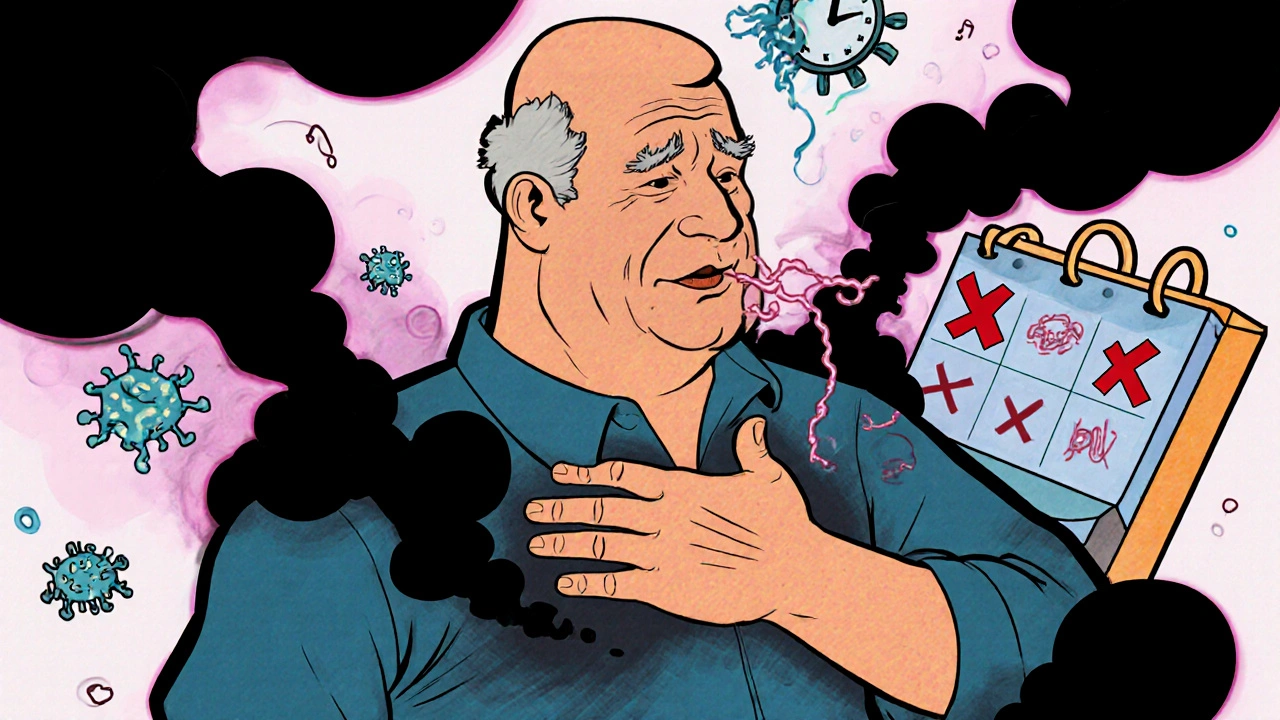
When you have chronic obstructive pulmonary disease, a long-term lung condition that makes it hard to breathe. Also known as COPD, it’s not just about aging or smoking—it’s about what you’re exposed to every day. Even if you’ve quit smoking, your lungs are still sensitive. A sudden cough, wheezing, or feeling winded after walking to the mailbox? That’s likely a COPD trigger at work.
Common triggers include air pollution, outdoor smog, factory fumes, and car exhaust, which irritate already inflamed airways. Indoor air quality matters just as much—secondhand smoke, cleaning sprays, perfumes, and even wood smoke from fireplaces can set off a flare-up. Cold, dry air is another silent enemy; it tightens your bronchial tubes and makes breathing feel like sucking air through a straw. Then there’s respiratory infections, like colds, flu, or pneumonia, which don’t just make you feel sick—they can send your COPD into overdrive, sometimes landing you in the hospital.
Some triggers are easy to miss. Dust from cleaning, mold in damp bathrooms, and even strong odors from cooking or paint can be enough. People with COPD often don’t realize how much their environment affects them until they start tracking symptoms. Keep a simple log: note what you were doing, where you were, and what you smelled or breathed right before your breathing got worse. Over time, patterns emerge. You’ll see that your morning walks in the city are worse than evening ones, or that using your air freshener triggers coughing fits.
It’s not about living in a bubble. It’s about making smart, realistic changes. Use an air purifier in your bedroom. Check daily air quality reports before heading out. Wash bedding weekly in hot water to cut dust mites. Get your flu shot every year. Ask your doctor about a rescue inhaler plan for when triggers hit. These aren’t just tips—they’re survival tools.
The posts below cover real stories and practical advice from people managing COPD. You’ll find how to spot hidden triggers in your home, what medications help most during flare-ups, how to protect your lungs during seasonal changes, and what to do when you’re exposed to smoke or pollution. Whether you’re newly diagnosed or have lived with COPD for years, this collection gives you the clear, no-nonsense facts you need to take back control of your breathing.