Drug Coverage: What It Means, How It Works, and How to Fight Denials
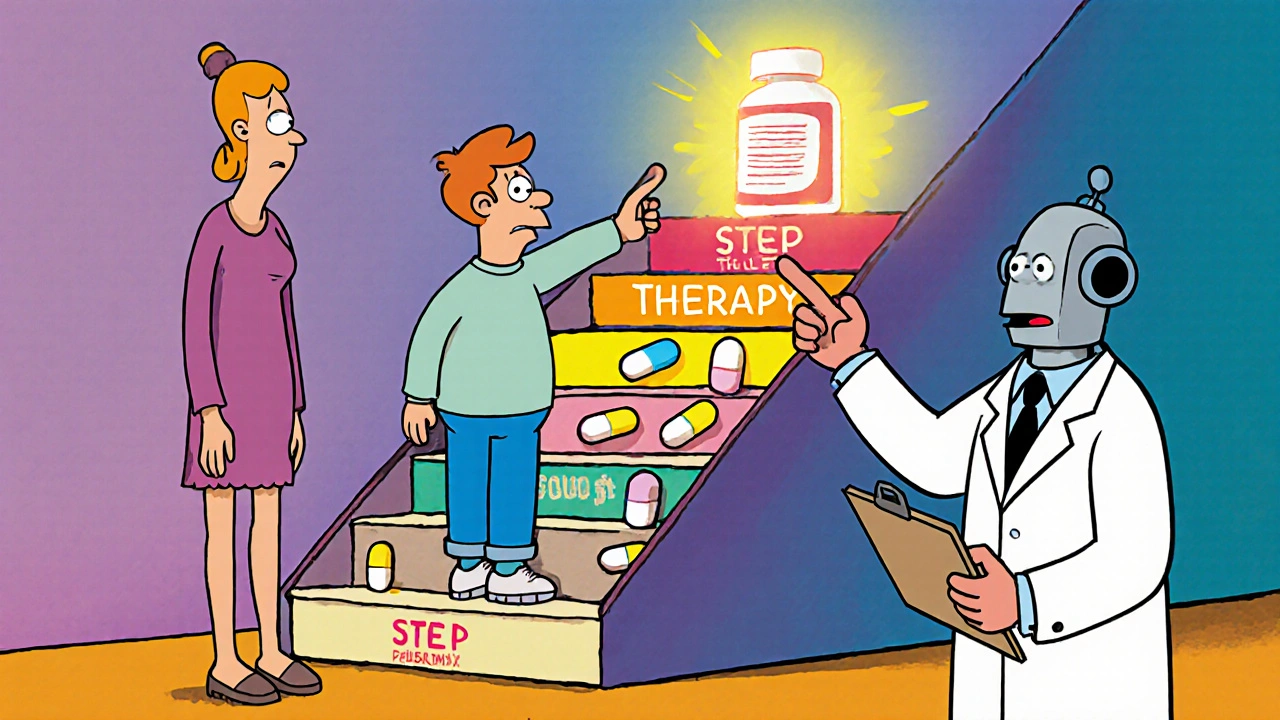
When you hear drug coverage, the portion of your health plan that pays for prescription medications. Also known as formulary coverage, it’s not just about whether your pill is covered—it’s about whether you can actually get it without jumping through hoops. Many people assume if a drug is FDA-approved, insurance must pay for it. That’s not true. Insurance companies decide which drugs get covered, and they often block even common medications unless you first get prior authorization, a pre-approval step where your doctor proves the drug is medically necessary. This step isn’t red tape—it’s a financial gatekeeping tool. And when it fails, you’re left paying hundreds or thousands out of pocket.
That’s where insurance appeal, the formal process to challenge a denied claim comes in. Over 80% of prior auth denials can be overturned with the right paperwork and timing. You don’t need a lawyer—you need to know what to say, what to attach, and when to follow up. Generic drugs are another big piece of this puzzle. Not all generics are equal. authorized generics, the exact same pills as brand-name drugs, made in the same factory are often cheaper and just as reliable. But if your plan only covers the cheapest generic, you might get a version with different fillers, timing, or bioavailability. That’s why understanding bioequivalence, the scientific standard that proves generics work the same as brand-name drugs matters. A drug might be technically covered, but if it doesn’t work for you, coverage means nothing.
Drug coverage isn’t just about cost—it’s about access, safety, and control. It affects whether you can get your depression medication, your diabetes pills, or even your child’s flavored antibiotic. When your insurance denies your prescription, it’s not just a form letter—it’s a barrier to your health. Below, you’ll find real, practical guides on how to fight denials, understand what your plan really covers, and make sure you’re not overpaying or under-treated. Whether you’re dealing with a denied prior auth, confused about generic options, or just trying to keep your meds affordable, these posts give you the tools to take back control.