Drug Reactions: What They Are, How to Spot Them, and What to Do
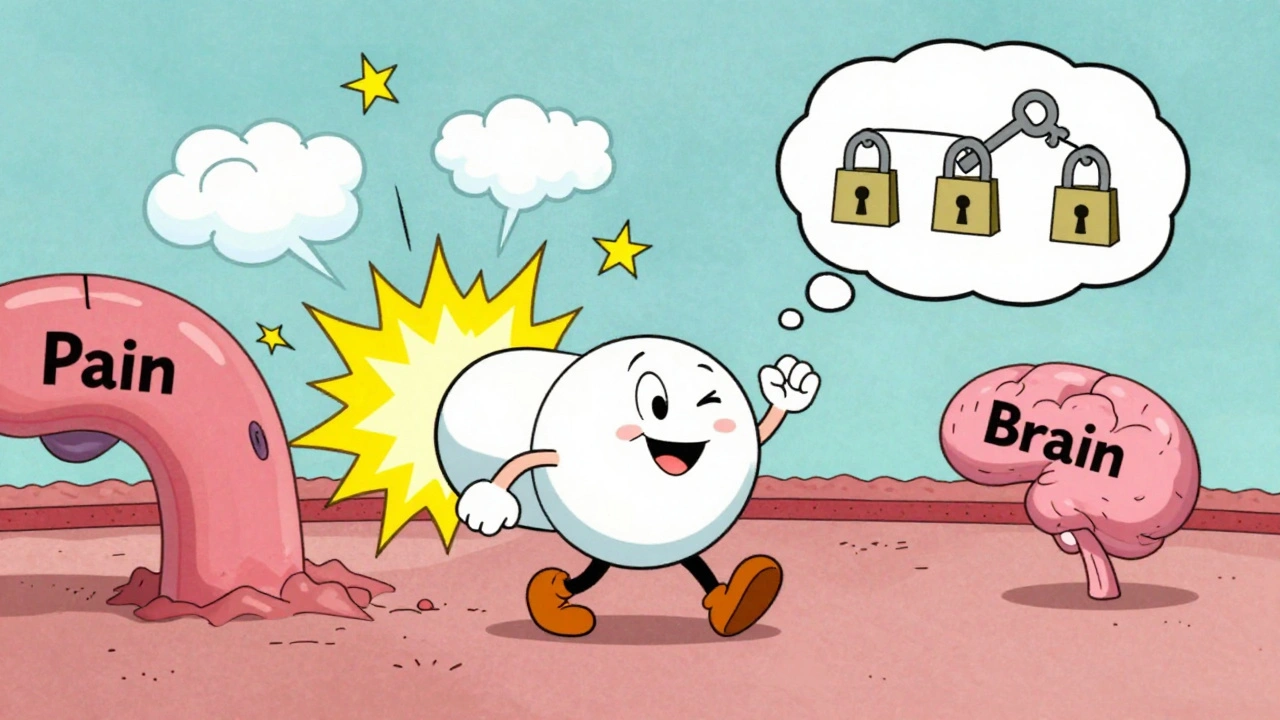
When your body responds badly to a medication, that’s a drug reaction, an unintended and harmful response to a medicine at normal doses. Also known as adverse drug reactions, these aren’t just side effects you read about in pamphlets—they can be sudden, serious, and sometimes deadly. Many people assume all reactions are allergic, but that’s not true. Some are dose-related, some are delayed, and others happen because your body just doesn’t process the drug the way it should. The key is recognizing the difference between a harmless itch and a sign your immune system is overreacting—or your liver is overwhelmed.
One of the most reliable ways doctors figure out if a drug caused a problem is through dechallenge, stopping the drug to see if symptoms disappear and then rechallenge, reintroducing it to see if the reaction returns. This isn’t something you do at home—it’s a clinical tool used in hospitals and pharmacies to confirm causality. If your rash vanished after stopping amoxicillin and came back when you took it again, that’s strong evidence the drug caused it. This method cuts through guesswork and helps avoid mislabeling someone as allergic when they’re not.
Not all drug reactions are obvious. Some show up as confusion in older adults, others as sudden high blood pressure from a hidden tumor triggered by a common painkiller. Some reactions build slowly—like weight gain from antipsychotics or yeast infections from SGLT2 inhibitors. Others hit fast, like the life-threatening transfusion reaction in people with IgA deficiency. The common thread? They’re all preventable if you know what to watch for. That’s why tracking your meds, knowing your history, and speaking up when something feels off matters more than you think.
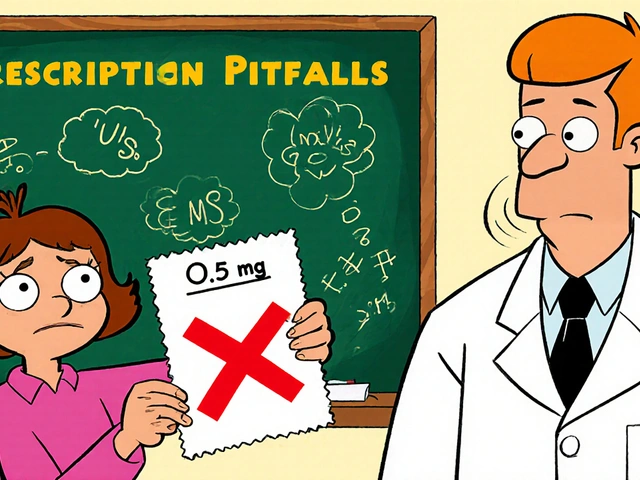
You’ll find posts here that break down real cases: how flavoring kids’ medicine cuts down reactions from bitterness, how step therapy forces risky switches, and why batch variability in generics can cause unexpected side effects. You’ll learn how to catch prescription errors before they harm you, why some side effects fade over time, and how to fight a denial that blocks your treatment. These aren’t theoretical—they’re stories from real patients and doctors who’ve seen the damage, and the fixes.