Genetic Cholesterol: How Inherited Traits Affect Your Heart Health

When your body makes too much genetic cholesterol, a condition where inherited genes cause dangerously high levels of LDL cholesterol from birth. Also known as familial hypercholesterolemia, it’s not about diet or laziness—it’s biology. About 1 in 250 people have it, and most don’t know until they have a heart attack or their child is diagnosed.

This isn’t just high cholesterol. It’s familial hypercholesterolemia, a specific inherited disorder that impairs the liver’s ability to remove LDL from the blood. People with this condition often have LDL levels over 190 mg/dL as kids, and by age 50, half of untreated men will have had heart disease. Women aren’t spared—many face blockages before menopause. It doesn’t care if you’re thin, vegan, or run marathons. The genes override lifestyle. And because it runs in families, if one parent has it, each child has a 50% chance of inheriting it.

That’s why LDL cholesterol, the "bad" cholesterol that builds up in artery walls is the key number to watch—not total cholesterol, not HDL. A simple blood test can catch it early, but most doctors don’t screen kids unless there’s a family history. And even then, many miss it. The good news? It’s treatable. Statins work better here than in regular high cholesterol. Newer drugs like PCSK9 inhibitors can drop LDL by 60% or more. But you need to know you have it first.

What you’ll find below isn’t theory. It’s real-world insight from people who’ve lived with this, doctors who’ve seen the consequences of delayed diagnosis, and studies that show what actually works. You’ll learn how to spot the signs in yourself or your kids, what tests to ask for, why some meds work better than others, and how to protect your heart before it’s too late. This isn’t about generic advice. It’s about understanding the biology in your blood—and taking real action.
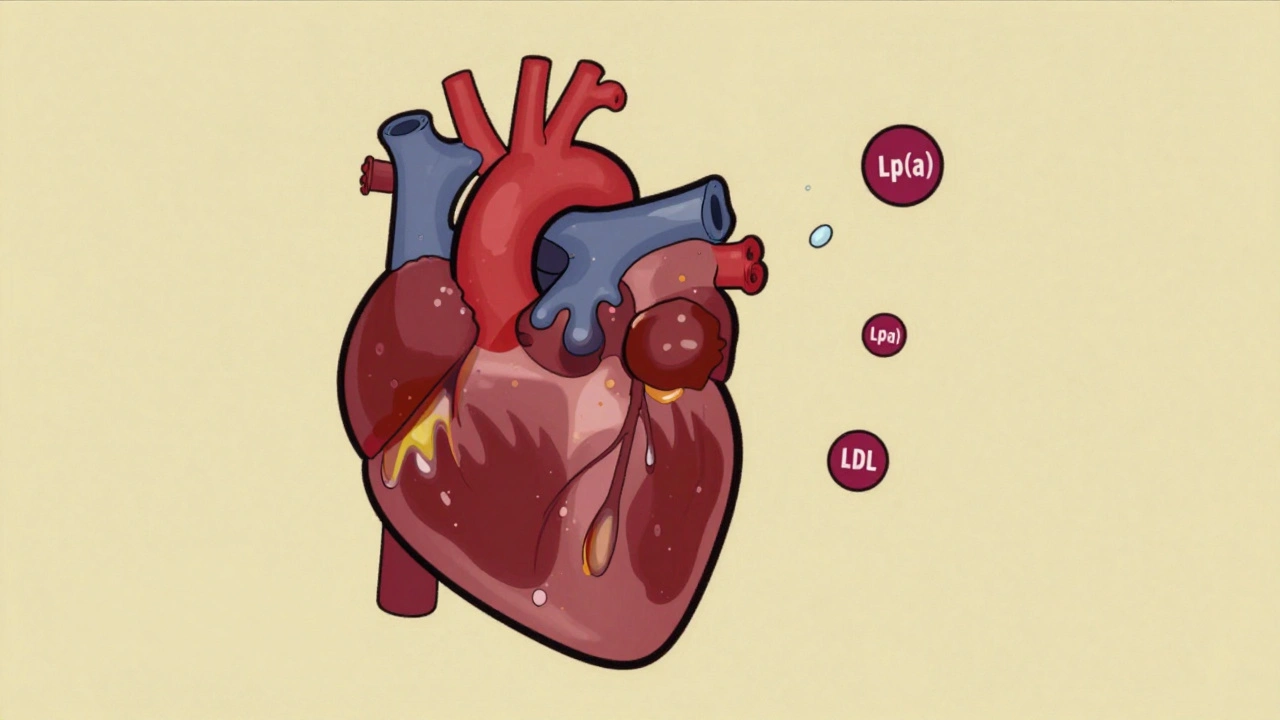
Lipoprotein(a): Understanding Your Genetic Cholesterol Risk and What You Can Do

Lipoprotein(a): Understanding Your Genetic Cholesterol Risk and What You Can Do

Martyn F. Dec. 9 1

Lipoprotein(a) is a genetic cholesterol risk factor that increases heart attack and stroke risk, even when other cholesterol levels are normal. Learn who should be tested, why diet won't help, and what new treatments are coming.

More Detail
Recent posts
The Role of Radiation Therapy in Multiple Myeloma Treatment

As a blogger, I recently researched the role of radiation therapy in multiple myeloma treatment. Radiation therapy is primarily used to control pain and reduce the size of bone lesions caused by this cancer. Although it is not a cure for multiple myeloma, it does provide relief to patients, allowing them to maintain a higher quality of life. The therapy is often combined with chemotherapy, stem cell transplants, and other treatments to provide a more comprehensive approach. It's crucial to consult with a healthcare professional to determine the best course of action when considering radiation therapy for multiple myeloma.

Buy Cheap Generic Bactrim Online - Safe, Fast, Affordable

Learn how to safely purchase cheap generic Bactrim online, compare prices, verify reputable pharmacies, and get step‑by‑step buying instructions.

The impact of Cyclobenzaprine HCL on mental health

As a blogger, I've recently been exploring the impact of Cyclobenzaprine HCL on mental health. From my research, I've discovered that this muscle relaxant can sometimes cause drowsiness, dizziness, and even confusion in some individuals. These side effects can have a negative impact on one's overall mental well-being. Additionally, it's crucial to be aware of potential drug interactions and to consult a healthcare professional before starting this medication. I'll be continuing to investigate this topic and will share any new insights I find with my readers.

About Us

Health and Wellness