Heart Disease Risk: What You Need to Know to Protect Your Heart
When we talk about heart disease risk, the likelihood of developing conditions like heart attack, stroke, or heart failure due to lifestyle, genetics, or medical conditions. Also known as cardiovascular risk, it’s not just about being overweight or eating too much fat—it’s a mix of hidden factors most people ignore until it’s too late. Nearly half of all adults in the U.S. have at least one major risk factor, and many don’t even know it. High blood pressure, high cholesterol, and diabetes are the big three, but they don’t always come with warning signs. You can feel fine and still be at risk.
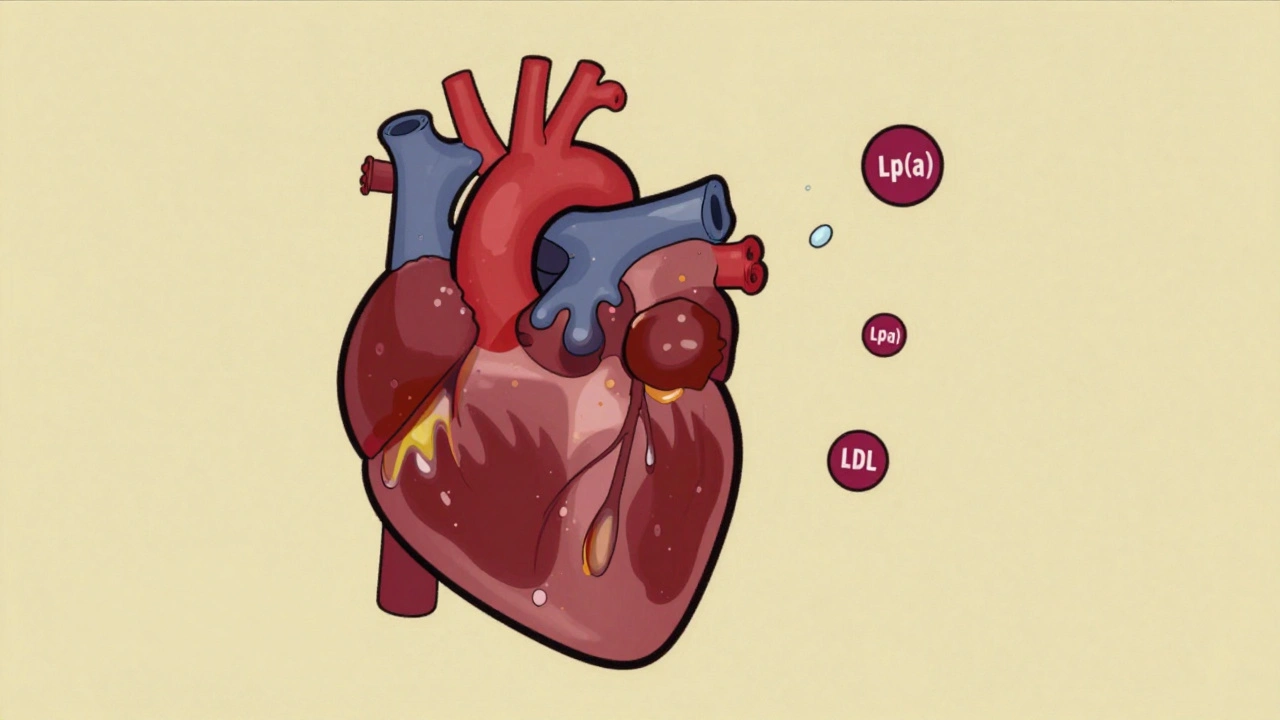
Blood pressure, the force of blood pushing against artery walls is one of the quietest killers. If it stays above 130/80 for months, it slowly damages your arteries and heart. Many people don’t check it regularly because they don’t feel sick. Same with cholesterol, a waxy substance in your blood that can build up and block arteries. Not all cholesterol is bad—HDL helps clean things out, but LDL builds up like rust in pipes. And then there’s diabetes, a condition where your body can’t manage blood sugar properly. High sugar levels eat away at blood vessels over time, turning a manageable condition into a heart attack waiting to happen.
These aren’t separate problems—they feed each other. High blood pressure makes cholesterol more likely to stick. Diabetes raises both. And if you’re taking meds for one, like antipsychotics or SGLT2 inhibitors, you might be adding new risks you didn’t expect. That’s why knowing your numbers isn’t enough—you need to understand how they connect. A medication that helps your mood might raise your weight. A drug that protects your kidneys might increase yeast infections. It’s all linked.
What you’ll find here aren’t generic tips like "eat less salt" or "exercise more." You’ll see real, practical insights from posts that dig into how medications affect your heart, why sleep apnea silently strains your arteries, how insulin resistance turns into heart damage, and what tests actually matter. No fluff. No fear-mongering. Just what you need to know to make smarter choices—before your next doctor’s visit.