Medication-Induced Delirium: Causes, Risks, and What to Do

When a drug suddenly makes someone confused, disoriented, or hallucinating, it’s often not dementia or a stroke—it’s medication-induced delirium, a sudden change in mental state caused by drugs interfering with brain chemistry. Also known as drug-induced delirium, it’s one of the most preventable causes of acute confusion in older adults and hospital patients. This isn’t just "feeling off"—it’s a medical emergency that can lead to falls, longer hospital stays, or even death if missed.

It happens because some medications mess with key brain signals, especially acetylcholine. anticholinergic drugs, a class of medications that block acetylcholine to reduce spasms, saliva, or urine flow are the biggest culprits. Think old-school antihistamines like diphenhydramine (Benadryl), bladder meds like oxybutynin, or even some antidepressants and painkillers. But it’s not just one drug—it’s combinations. Someone on five meds might handle each fine alone, but together they overload the brain’s ability to cope. psychiatric medication risks, especially with sedatives, antipsychotics, or benzodiazepines, are also high on the list. Elderly patients, those with existing brain conditions, or people with kidney or liver problems are at highest risk.

Signs show up fast—within hours or days of a new drug or dose change. The person might forget where they are, mix up day and night, talk nonsense, or see things that aren’t there. They might get agitated or unusually sleepy. Often, families notice it first because the person seems "not themselves." Doctors sometimes miss it, thinking it’s just aging or infection. But if you’ve recently started or changed a medication and someone’s acting confused, don’t wait. Medication-induced delirium can reverse quickly if caught early—often just by stopping or switching the drug.

What you’ll find below are real, practical posts that dig into how drugs trigger confusion, which ones are most dangerous, how to spot the signs before it escalates, and what steps you can take to protect yourself or a loved one. From how dechallenge tests prove a drug caused the problem, to why certain pain meds are riskier than others, these articles give you the facts—not just warnings. No fluff. Just what you need to recognize, question, and act on when a medication doesn’t just treat a problem—it might be creating a worse one.
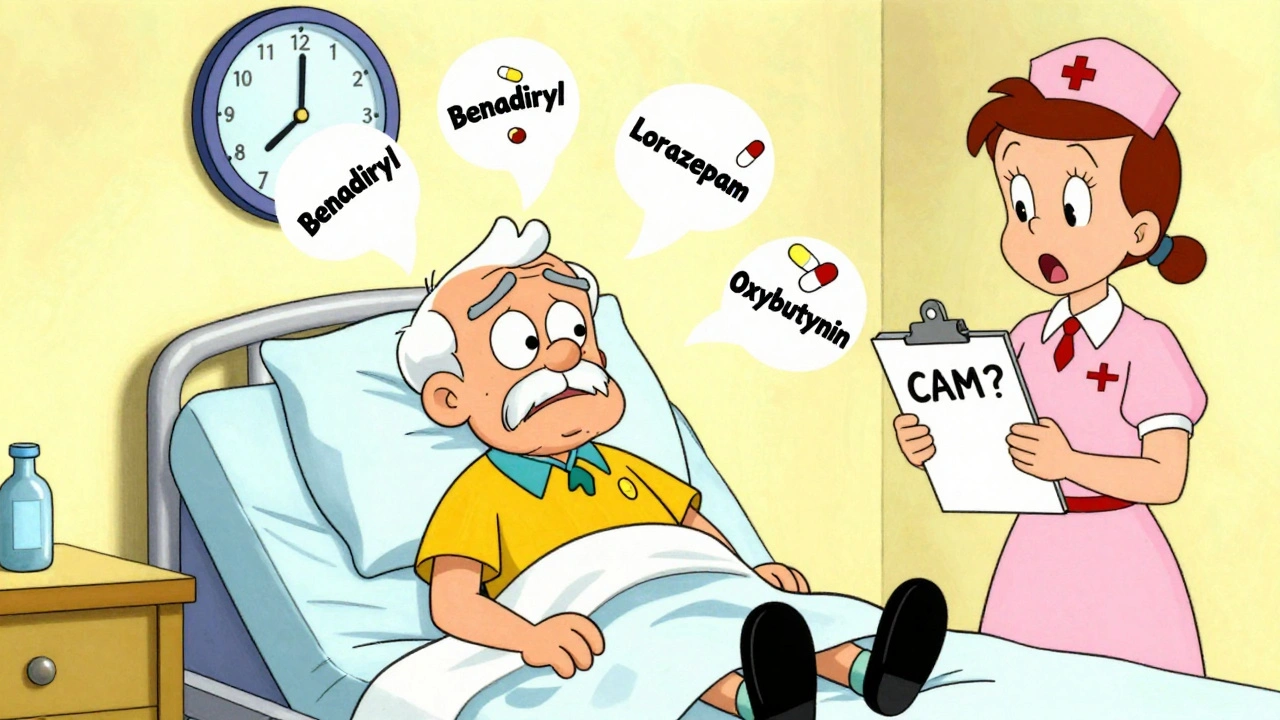

Medication-Induced Delirium in Older Adults: How to Spot the Signs and Prevent It

Medication-Induced Delirium in Older Adults: How to Spot the Signs and Prevent It

Martyn F. Dec. 1 6

Medication-induced delirium is a sudden, dangerous confusion in older adults caused by common drugs like antihistamines and benzodiazepines. Learn the signs, who’s at risk, and how to prevent it with safer alternatives and daily monitoring.

More Detail
Recent posts
Rasagiline and Pain Management: Can It Help with Parkinson's Disease-Related Pain?

Rasagiline is primarily used to treat symptoms of Parkinson's Disease, but can it also help manage related pain? This article explores how effective rasagiline might be in dealing with one of the lesser-known challenges of Parkinson's. Dive into how this medicine works, potential benefits, and what current research suggests about its efficacy for pain relief. Get tips on combining it with other treatments for better results.

The Connection Between Sucralfate and Helicobacter Pylori Infection

Recently, I came across an interesting study that explored the connection between Sucralfate and Helicobacter Pylori infection. It turns out that Sucralfate, a medication commonly used to treat ulcers, may have a role in inhibiting the growth of H. Pylori bacteria. This finding is particularly significant because H. Pylori is a common cause of ulcers and other gastrointestinal issues. With this new information, it's possible that Sucralfate could be utilized not only to treat ulcers but also to manage H. Pylori infections. Further research is needed to fully understand this connection and its potential benefits for patients.

Harness the Power of Nature with Snake Skin: The Next Big Thing in Dietary Supplements

In my latest blog post, I delve into the exciting new world of snake skin dietary supplements. It seems the power of nature never ceases to amaze and this time, it's snake skin making waves in the health world. These supplements, derived from snake skin, are being touted as the next big thing in nutrition. With potential benefits ranging from improved skin health to enhanced immune function, it's hard not to be intrigued. Join me as I unpack all there is to know about this unusual yet promising health trend.

About Us

Health and Wellness