Prescription Errors: How Mistakes Happen and How to Stop Them
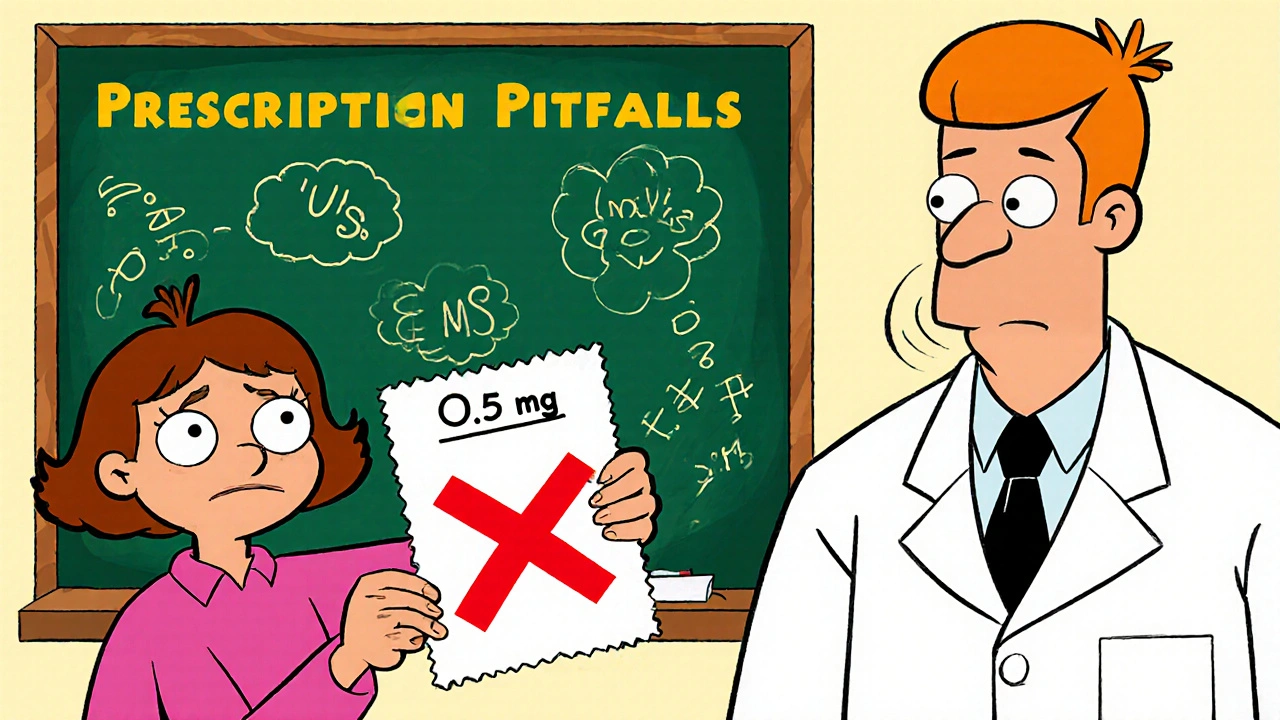
When you or a loved one gets a new prescription, you expect it to be safe. But prescription errors, mistakes in writing, filling, or taking a medication that can cause harm. Also known as medication errors, they’re one of the most common causes of preventable injury in healthcare. These aren’t just typos—they’re mix-ups between similar-sounding drugs, wrong doses, ignored allergies, or interactions no one checked. A single error can send someone to the ER—or worse.
These mistakes happen at every step. A doctor might write a prescription for the wrong drug because two names sound alike. A pharmacist might fill it with the wrong strength because the label is blurry. A caregiver might give a senior two pills instead of one because the list isn’t clear. And patients? They often don’t know to ask the right questions. Drug interactions, when two or more medications react in harmful ways inside the body are especially dangerous. For example, mixing an SSRI with an MAO inhibitor can trigger serotonin syndrome—a life-threatening surge in brain chemicals. Or giving an SGLT2 inhibitor to someone prone to yeast infections? That’s a recipe for a painful, recurring problem. Even something as simple as a diuretic can become risky in hot weather if the patient doesn’t know to drink more water.
Pharmacy mistakes, errors made when dispensing medication in a retail or hospital setting are more common than you think. A 2022 study found that nearly 1 in 5 medication errors happens at the pharmacy counter—not because pharmacists are careless, but because they’re overwhelmed. One wrong pill, one misread handwriting, one missed allergy flag. And if you’re managing multiple drugs for chronic conditions, the risk goes up fast. That’s why keeping a clear, updated medication list, a written record of all drugs, doses, and reasons for use isn’t just helpful—it’s essential. It’s your best defense. Bring it to every appointment. Show it to every pharmacist. Update it every week. It’s not paperwork—it’s a safety net.
Prescription errors aren’t rare. They’re silent, widespread, and often avoidable. The good news? You don’t need to be a doctor to stop them. You just need to know what to look for, what to ask, and how to speak up. Below, you’ll find real stories and practical guides on how to catch mistakes before they happen—whether it’s spotting a dangerous combo, understanding why generics are just as safe, or learning how to track side effects with dechallenge and rechallenge. This isn’t about fear. It’s about control. You have more power over your meds than you think.