Prescription Verification: What It Is and Why It Keeps You Safe
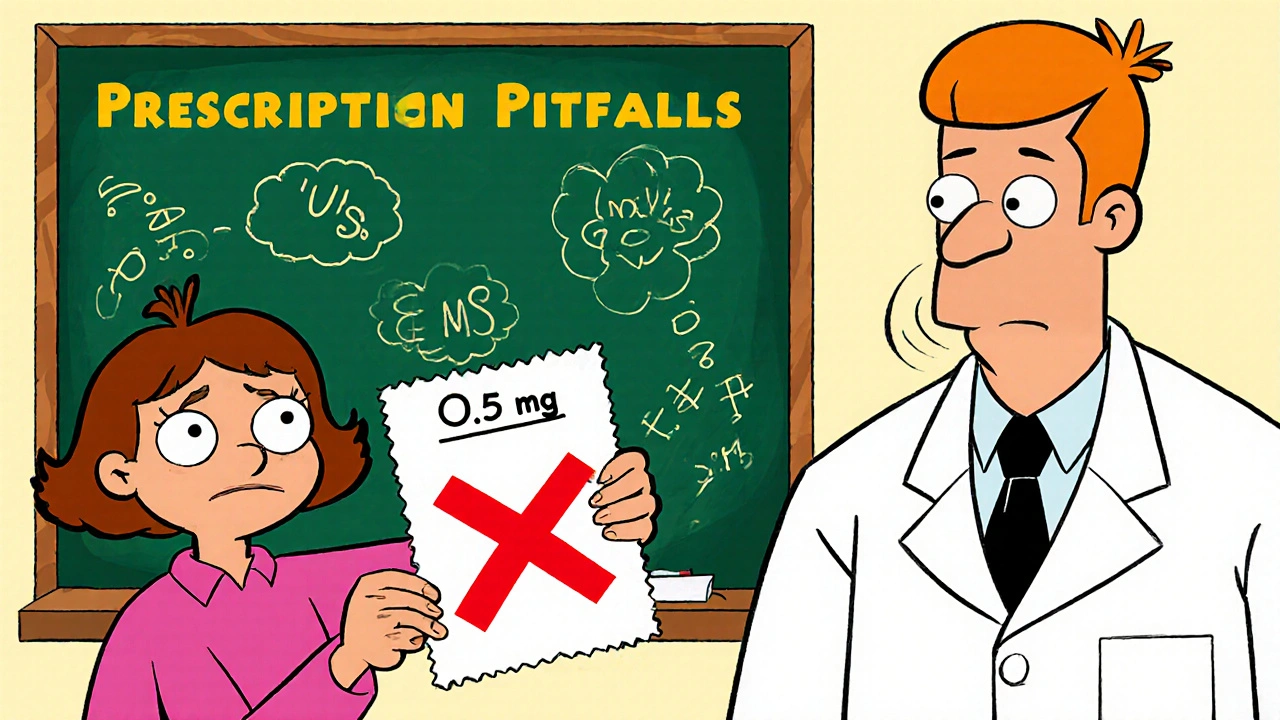
When you get a prescription filled, prescription verification, the process where pharmacists double-check your medication for accuracy, dosage, and safety before giving it to you. Also known as medication review, it’s the last line of defense against dangerous mistakes like wrong drugs, wrong doses, or harmful interactions. This isn’t just a formality—it’s a critical step that prevents hospital visits, allergic reactions, and even deaths. Think about it: if your doctor writes a script for amoxicillin but you’re allergic to penicillin, or if you’re on lithium and your new prescription is for ibuprofen, that’s where prescription verification steps in to catch it before it’s too late.
Pharmacists don’t just look at the label. They cross-reference your full medication list with the new prescription, checking for drug interactions, when two or more medications react in ways that reduce effectiveness or cause harm. For example, mixing SSRIs with MAO inhibitors can trigger serotonin syndrome—a life-threatening condition. Or if you’re taking SGLT2 inhibitors for diabetes, they’ll flag the increased risk of yeast infections. They also check for polypharmacy, when someone takes five or more medications at once, raising the chance of errors. Seniors, cancer patients, and people with chronic conditions like COPD or bipolar disorder are especially at risk. That’s why a clear, updated medication list (like the ones covered in our posts) makes verification faster and more accurate.
It’s not just about the pills. pharmacy verification, the system that ensures the right drug, in the right form, at the right dose, goes to the right person, also checks for expired meds, incorrect formulations (like confusing liquid with tablet), and even handwriting errors on old-style prescriptions. Many pharmacies now use digital systems that flag red flags automatically—like if your dose is ten times higher than normal, or if you’re getting two drugs that should never be mixed. But tech alone isn’t enough. A human pharmacist still needs to review it, ask questions, and talk to you. That personal touch is what turns a system check into real safety.
You might think, "My doctor wrote it, so it must be right." But doctors are busy. Prescriptions get misread. Pharmacies get overloaded. Allergies change. New conditions develop. That’s why you need to be part of the process too. Always bring your full medication list to every appointment. Ask your pharmacist: "Is this safe with what else I’m taking?" If something feels off—like a pill that looks different than last time—speak up. prescription accuracy, the confidence that your medication matches exactly what your care team intended isn’t guaranteed—it’s earned through checks, questions, and communication.
Below, you’ll find real stories and guides on how medications interact, how to track what you’re taking, and how to spot when something doesn’t add up. Whether you’re managing depression with ketamine, watching for side effects from antipsychotics, or trying to understand why your cholesterol drug is causing stomach issues, each post ties back to one truth: your safety starts with a verified prescription. Don’t assume. Don’t guess. Ask. Verify. Protect yourself.