How to Read Drug Labels: Understand Dosage, Warnings, and Active Ingredients
When you pick up a prescription or buy medicine off the shelf, you’re holding a drug label, a legal document that tells you exactly what’s in the medicine, how to use it safely, and what could go wrong. Also known as medication label, it’s the most important source of truth about your treatment—far more reliable than a quick Google search or a friend’s advice. Yet most people glance at the name, check the pill count, and move on. That’s how mistakes happen.
Every active ingredient, the chemical that actually treats your condition is listed clearly, but it’s easy to miss if you’re not looking. For example, acetaminophen shows up in over 600 products—from pain relievers to cold meds. Taking two at once can land you in the hospital. The dosage instructions, how much and when to take it are written in plain language, but terms like "take with food" or "avoid alcohol" are often ignored. These aren’t suggestions—they’re safety rules backed by real data on how your body breaks down the drug.
Side effects aren’t just a long list of scary words. They’re ranked by frequency and severity. If you see "rare" next to liver damage, that doesn’t mean it won’t happen to you—it means it’s uncommon, but still possible. The contraindications, conditions or drugs you shouldn’t mix with this one are there for a reason. Someone with kidney disease shouldn’t take certain NSAIDs. Someone on blood thinners can’t safely use some herbal supplements. These aren’t hypothetical risks. They’re based on real cases where people got hurt because they didn’t read the label.
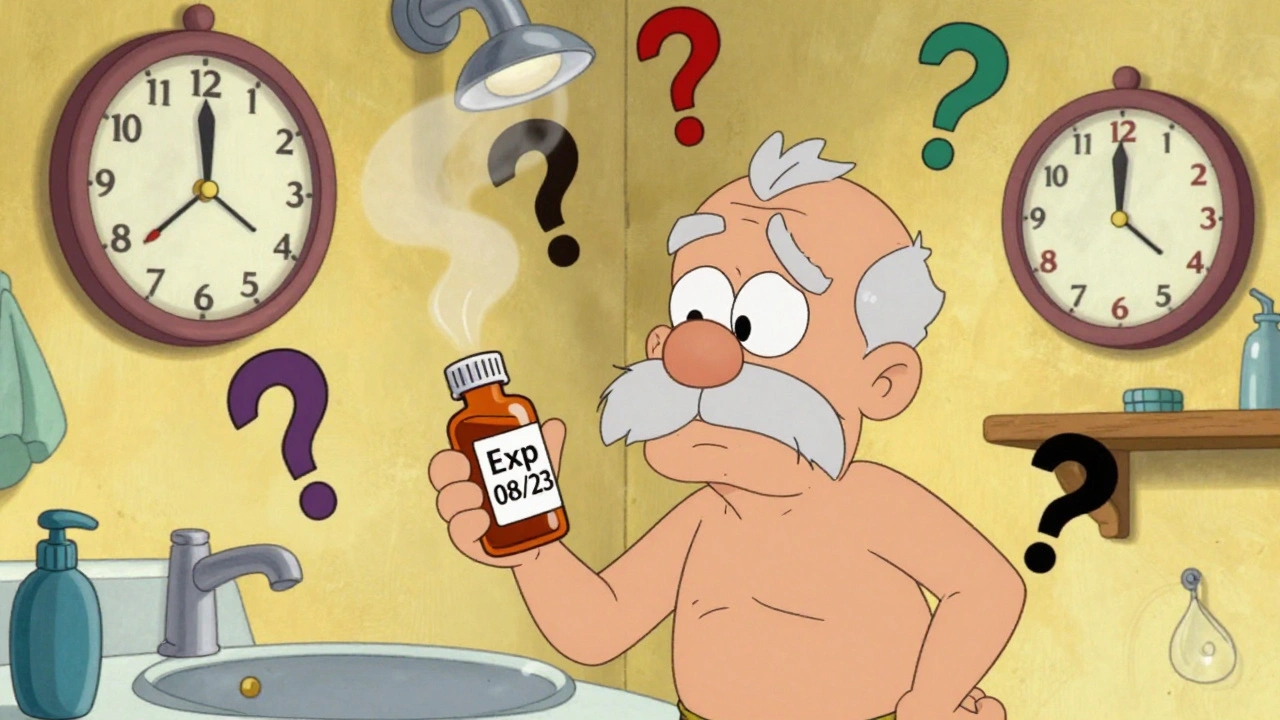
Expiration dates aren’t suggestions either. A pill past its date might not kill you, but it could stop working—or worse, break down into something harmful. Storage instructions like "keep refrigerated" or "protect from light" matter. Insulin left in a hot car won’t help your diabetes. Antibiotics stored in a steamy bathroom might lose potency. The manufacturer information, the company name and contact details is there so you can report problems or ask questions. If you’re unsure about a warning, call them. They’re required to answer.
You don’t need a pharmacy degree to read a drug label. You just need to slow down. Look for the drug label every time you take something new—even if it’s the same medicine you’ve used before. Manufacturers change formulas. Doses shift. New warnings appear. The FDA requires updates when new risks are found. That’s why your label today might look different from last year’s.
Below, you’ll find real stories and practical guides on how to spot hidden dangers in medication labels—like why a common allergy drug could trigger a dangerous reaction in someone with IgA deficiency, or how flavoring kids’ meds boosts adherence by over 90%. You’ll learn how to decode safety alerts, understand batch variability in generics, and avoid the prescription errors that injure over a million people every year. This isn’t theory. It’s what happens when people actually read the fine print—and what happens when they don’t.