Skin Cancer Treatment: Options, Risks, and What Actually Works
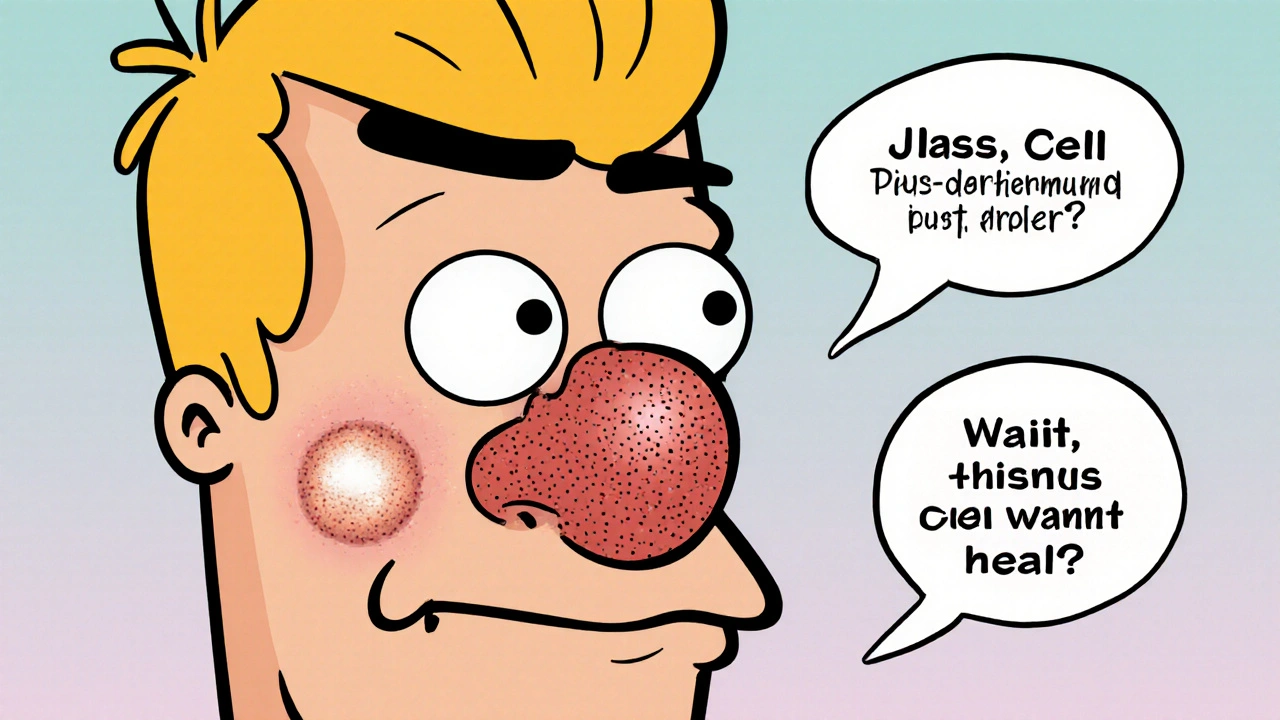
When it comes to skin cancer treatment, the medical approaches used to remove or control abnormal skin cell growth that can become life-threatening if untreated. Also known as cutaneous malignancy therapy, it ranges from simple outpatient procedures to complex systemic therapies. Not all skin cancers are the same. The three main types—basal cell carcinoma, the most common, slow-growing form that rarely spreads but can damage nearby tissue, squamous cell carcinoma, a more aggressive type that can spread to lymph nodes if ignored, and melanoma, the deadliest form, responsible for most skin cancer deaths but highly curable if caught early—each need different strategies. A tiny bump that won’t heal might be harmless, or it might be the first sign of something serious. Early detection saves lives, and knowing your options helps you ask the right questions.
Most skin cancer treatment starts with removal. For small, localized tumors, excision or Mohs surgery is often the first step. Mohs surgery isn’t just cutting—it’s precision work where the surgeon removes thin layers and checks them under a microscope during the procedure, ensuring every last cancer cell is gone while saving healthy skin. For patients who can’t have surgery, radiation or topical creams like imiquimod or 5-FU can be used, especially for early basal cell cancers. But these aren’t one-size-fits-all. What works on the nose might not work on the leg. And for advanced melanoma, treatments have changed dramatically in the last decade. Immunotherapies like pembrolizumab and nivolumab help the body’s own immune system find and kill cancer cells. Targeted therapies like vemurafenib attack specific gene mutations in melanoma. These aren’t magic pills—they come with side effects like fatigue, rashes, or autoimmune reactions—but for many, they’ve turned a death sentence into long-term control.
There’s no substitute for regular skin checks. If you notice a mole changing shape, color, or size, or a spot that bleeds, itches, or won’t heal, don’t wait. Your dermatologist can spot things you miss. And while sunscreen helps, it’s not a shield against everything—some cancers develop in places you’d never think to cover. The posts below cover real-world cases, treatment timelines, what to expect after surgery, how to manage side effects from newer drugs, and why some treatments fail. You’ll find advice on catching early signs, understanding biopsy results, and navigating insurance for expensive therapies. No fluff. Just what you need to know to make smart choices.