Travel Medications: What to Pack and How to Stay Safe on the Go
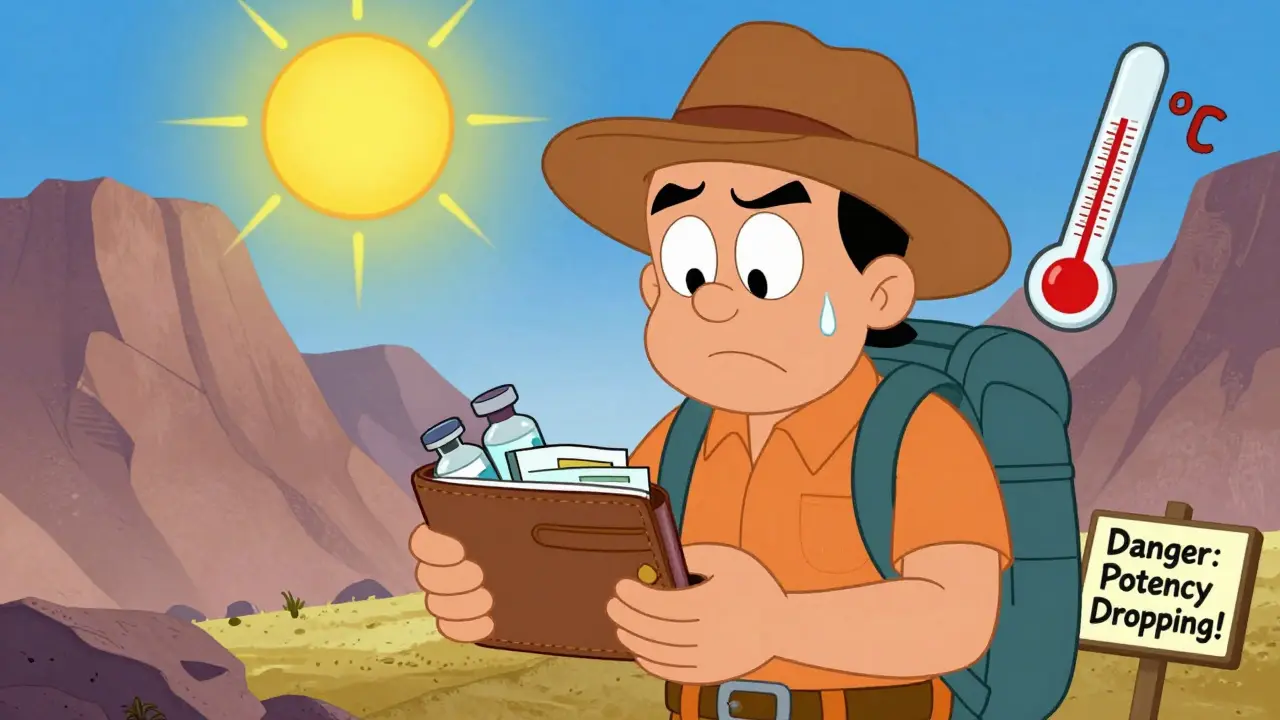
When you're packing for a trip, travel medications, prescriptions and over-the-counter drugs you carry for health needs while away from home. Also known as trip-specific meds, these are the difference between a smooth journey and a hospital visit in a foreign country. It’s not just about bringing your daily pills—you need to think about what your body might face in new climates, time zones, and food environments. A simple stomach bug in Tokyo can turn into a three-day disaster if you didn’t pack the right anti-diarrheal. A headache in Mexico might be altitude sickness, not just stress. And if you’re on blood thinners or antidepressants, mixing them with local herbs or even common painkillers can be dangerous.
Medication safety abroad, how to carry, store, and use drugs properly when crossing borders is often ignored until something goes wrong. The FDA doesn’t control what’s sold overseas, and some countries have different rules—like allowing antibiotics without a prescription. That might sound helpful, but it’s risky. You could end up with the wrong dose, a fake pill, or a drug that clashes with yours. Always carry a copy of your prescription, preferably in English, and keep meds in their original bottles. TSA and international customs don’t like unlabeled pills. Also, never put your meds in checked luggage. Lost bags happen. Your insulin, heart pill, or EpiPen needs to stay with you.
Drug interactions while traveling, how common medications react with new foods, supplements, or local remedies is a silent killer. People take melatonin for jet lag, then mix it with their antidepressant and wonder why they’re dizzy. Others grab ibuprofen for a sore back, not knowing it’s risky with their blood pressure drug. Even something as simple as grapefruit juice can mess with cholesterol meds. And don’t assume herbal teas are safe—some traditional remedies contain hidden steroids or heavy metals. Check your meds against what’s common in your destination. If you’re going to Southeast Asia, avoid certain antimalarials if you have a history of mental health issues. If you’re heading to high altitudes, talk to your doctor about acetazolamide before you go.
You don’t need to be a pharmacist to handle this right. Just ask yourself: What could go wrong? What’s in my bag that’s not just for comfort but for survival? A travel meds checklist isn’t luxury—it’s insurance. Pack extra, just in case flights get delayed. Keep a list of all your meds, doses, and why you take them. Know the generic names, not just brand names. And if you’re on something like warfarin or lithium, bring a note from your doctor explaining it. Some countries don’t recognize U.S. prescriptions. Others have strict limits on opioids or stimulants. You could get arrested for carrying your ADHD med if you don’t know the local laws.
Below, you’ll find real stories and facts from people who’ve been there—how a simple pill mix-up led to delirium in an elderly traveler, why flavoring pediatric meds helped families on long flights, and how one man avoided a heart attack by spotting a dangerous interaction before he even left home. These aren’t theoretical tips. They’re lessons learned the hard way. And they’re the kind of info you won’t find in a travel guidebook. This is what actually keeps people safe when they’re far from home.