DKD Prevention: How to Stop Diabetic Kidney Disease Before It Starts

When you have diabetes, your kidneys are under constant stress. Diabetic kidney disease, also called diabetic nephropathy, is a progressive condition where high blood sugar damages the tiny filters in your kidneys. Also known as DKD, it’s the leading cause of kidney failure in the U.S.—and the good news is, it’s often preventable. Most people don’t feel symptoms until damage is advanced. That’s why DKD prevention isn’t about waiting for warning signs. It’s about acting early, consistently, and with clear goals.

Chronic kidney disease, a broader term that includes DKD, affects over 37 million Americans. But not all cases come from diabetes. Diabetes management, the foundation of DKD prevention, means more than just checking your glucose. It’s about keeping HbA1c under 7%, managing blood pressure below 130/80, and avoiding NSAIDs like ibuprofen that strain your kidneys. Even small changes—like swapping soda for water, walking 30 minutes a day, or cutting back on salt—add up. Studies show that tight control can reduce kidney damage risk by up to 30%. Medications like SGLT2 inhibitors and GLP-1 agonists aren’t just for blood sugar—they’re now proven to protect your kidneys too. If you’re on these drugs, you’re already ahead.

Kidney health isn’t a one-time test. It’s tracked with annual urine albumin and eGFR tests. If your doctor skips these, ask. Many people with early DKD have no swelling, no fatigue, no pain. The damage happens silently. But catching it early means you can still turn things around. The posts below cover exactly how: from checking your medication list to spotting hidden risks from drugs like SGLT2 inhibitors, understanding why some side effects fade over time, and how to avoid drug interactions that hurt your kidneys. You’ll find real strategies—not theory—on how to protect your kidneys while managing diabetes, what to ask your pharmacist, and how to spot the warning signs before it’s too late.
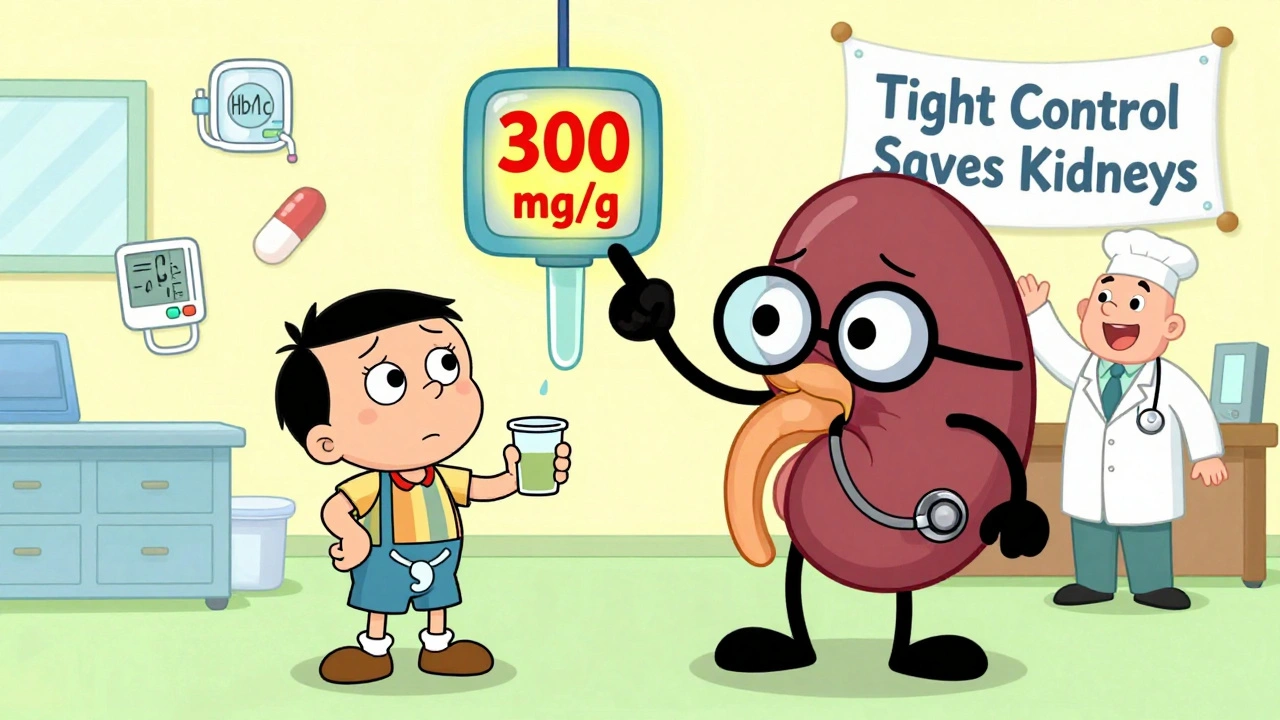
Diabetic Kidney Disease: How Early Albuminuria Signals Risk and Why Tight Control Saves Kidneys

Diabetic Kidney Disease: How Early Albuminuria Signals Risk and Why Tight Control Saves Kidneys

Martyn F. Dec. 1 8

Early albuminuria is the first sign of diabetic kidney disease. Tight blood sugar and blood pressure control, plus new medications like SGLT2 inhibitors and finerenone, can prevent kidney failure. Annual UACR testing saves lives.

More Detail
Recent posts
Rasagiline and Pain Management: Can It Help with Parkinson's Disease-Related Pain?

Rasagiline is primarily used to treat symptoms of Parkinson's Disease, but can it also help manage related pain? This article explores how effective rasagiline might be in dealing with one of the lesser-known challenges of Parkinson's. Dive into how this medicine works, potential benefits, and what current research suggests about its efficacy for pain relief. Get tips on combining it with other treatments for better results.

Amenorrhea Effects on Teens and Young Women: Health Risks & Management

Explore how amenorrhea affects teens and young women, its causes, health risks, diagnosis, and practical ways to restore menstrual health.

Boost Your Immune System Naturally with the Power of Siberian Ginseng

In my latest blog, I delve into the natural health-boosting properties of Siberian Ginseng. This powerful herb, used extensively in traditional medicine, aids in strengthening our immune system. I discuss how it helps increase your body's resistance to stress, fatigue, and illness. Siberian Ginseng is packed with antioxidants, making it a natural remedy for boosting your overall health. Don't miss out on this read to learn how you can incorporate this super herb into your daily routine for a healthier, stronger you.

About Us

Health and Wellness