Expiration Date: What It Really Means for Your Medications and Health
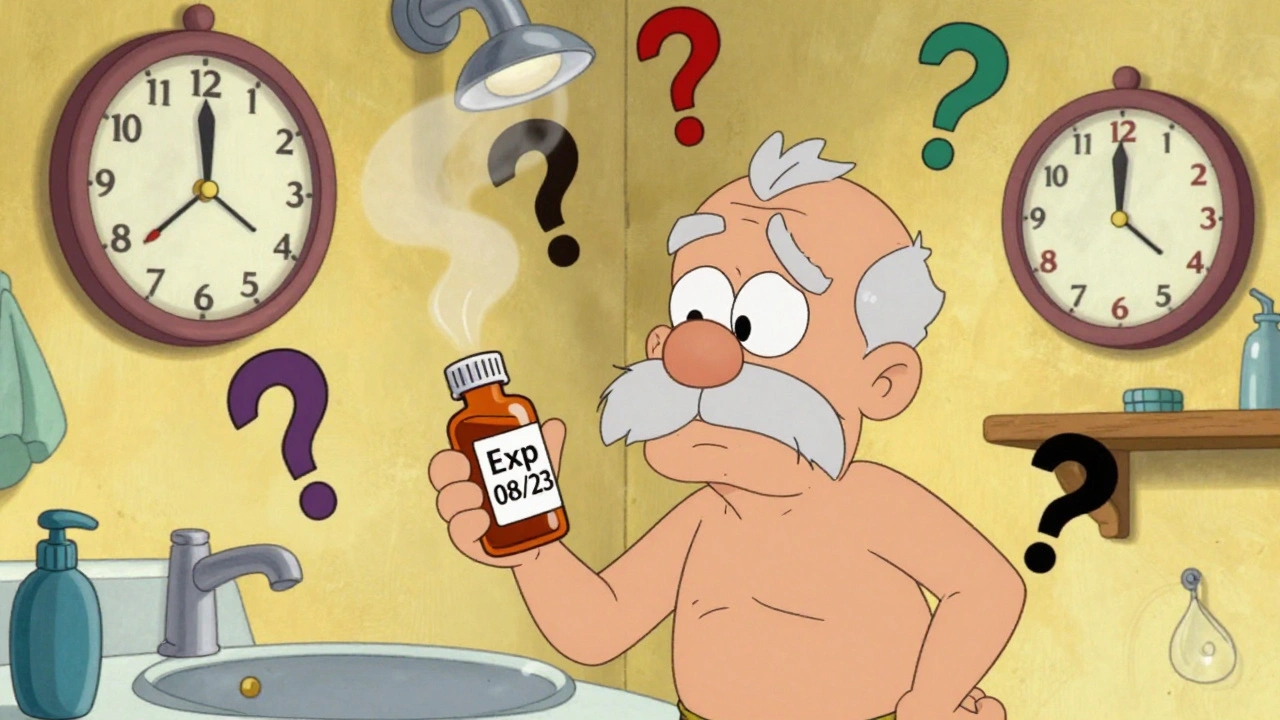
When you see an expiration date, the date by which a medication is guaranteed to be fully potent and safe to use, as determined by the manufacturer under approved storage conditions. Also known as use-by date, it’s not a magic cutoff—just a science-backed estimate of when the drug might start losing strength. Many people think expired pills turn toxic, but that’s mostly a myth. The real issue? They might not work as well. A 2012 FDA study found that 90% of over 100 drugs were still effective even 15 years past their expiration date—when stored properly. But that doesn’t mean you should keep every bottle forever.
What really matters is how you store your meds. Heat, moisture, and light break down drugs faster than time. Keep your antibiotics, insulin, or heart pills in a cool, dry place—not the bathroom cabinet where steam and humidity creep in. A bedroom drawer or kitchen cabinet away from the stove is better. If you’re traveling, follow the same rules: don’t leave your epinephrine auto-injector in a hot car, or your insulin in direct sunlight. The storage conditions, the environmental factors like temperature and humidity that affect how long a medication stays stable are just as important as the date on the label. And if you’re unsure? Don’t guess. Throw it out.
Some meds are riskier than others when expired. Insulin, liquid antibiotics, nitroglycerin, and eye drops lose potency fast and can cause real harm if they don’t work. A weak antibiotic might not kill your infection, letting it spread. A failed EpiPen could be deadly. On the flip side, pills like acetaminophen or ibuprofen are usually fine past their date if they look and smell normal—no discoloration, no odd smell, no crumbling. But if you’re treating something serious, don’t gamble. Replace it.
That’s why pharmacies now offer take-back programs and free disposal bins. Many people still flush old meds down the toilet, thinking it’s safe. It’s not. It pollutes water and hurts wildlife. The right way? Check with your local pharmacy or city waste program. They’ll handle it safely. And if you’re cleaning out your medicine cabinet, make it a habit—every six months. Toss what’s expired, what you don’t use, and what you can’t remember why you bought.
Below, you’ll find real-world guides on how to store meds safely on the road, how to tell if a drug is still good, what happens when generics vary between batches, and how to avoid dangerous mix-ups with old prescriptions. These aren’t theory pieces—they’re tools used by patients, caregivers, and pharmacists every day to keep people safe. Whether you’re managing a chronic condition, caring for an elderly parent, or just trying not to waste money on useless pills, this collection gives you what you need to act—before it’s too late.