Expired Medicine: What Happens When Drugs Go Bad and How to Stay Safe
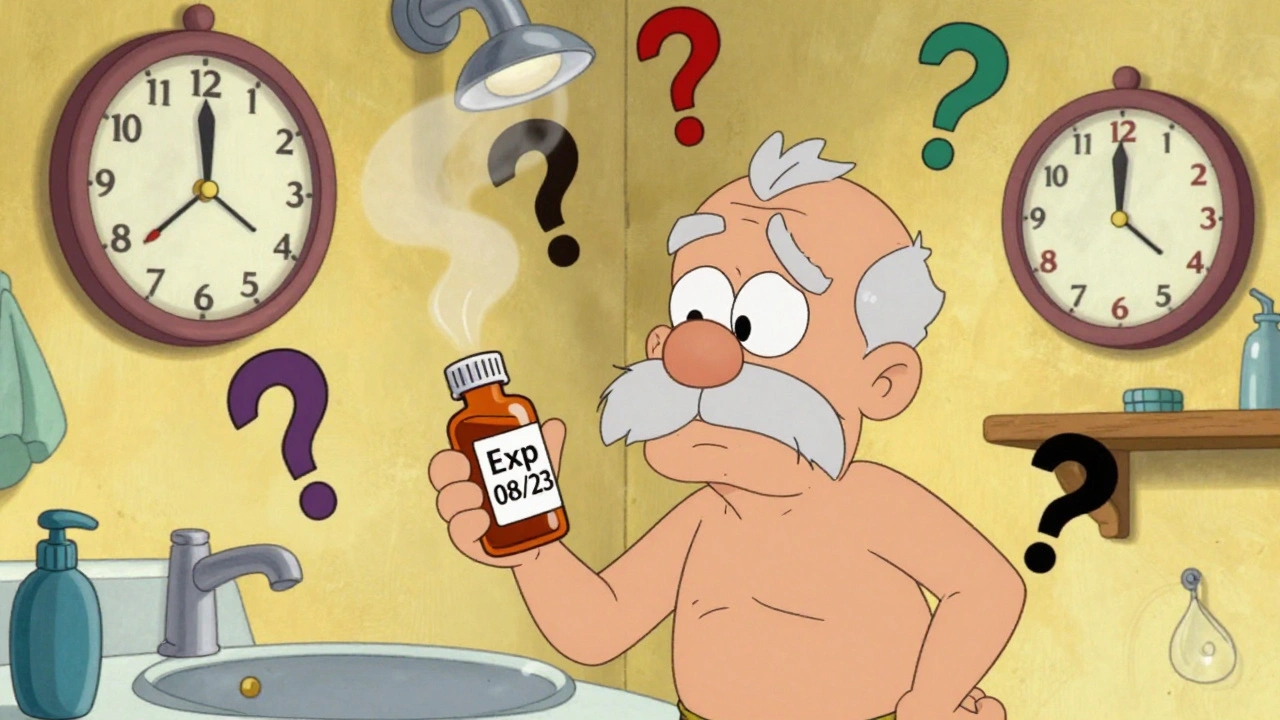
When you find an old bottle of pills in your medicine cabinet, you might wonder: is expired medicine, medication that has passed its manufacturer-specified expiration date, potentially harmful or just less effective? The truth isn’t as simple as "it’s safe" or "it’s dangerous." Most expired drugs don’t turn toxic, but they often lose strength—sometimes significantly. The FDA and independent studies show that many medications retain 90% of their potency for years past the label date, but not all. Some, like insulin, nitroglycerin, or liquid antibiotics, can degrade fast and become unsafe. This is why knowing what to do with expired medicine matters more than just tossing it in the trash.
What makes one drug risky after expiration and another fine? It’s about chemistry and storage. Heat, moisture, and light break down active ingredients. A bottle of amoxicillin left in a hot bathroom will lose power faster than one kept in a cool, dry drawer. medication safety isn’t just about the date on the label—it’s about how you treat the drug before it expires. People often forget that even unopened pills can be damaged by humidity. And if you’re relying on a medication for a serious condition—like heart disease, epilepsy, or diabetes—losing even 10% potency can mean the difference between control and crisis. That’s why drug potency isn’t a theoretical concern. It’s a daily reality for millions who depend on stable, reliable doses.
There’s also the issue of confusion. Many think "expiration date" means "use-by date," but it’s actually the date the manufacturer guarantees full strength and safety under proper conditions. That’s why some pharmacies and hospitals test expired stock and reuse it in emergencies. But for you at home? Don’t gamble. If your blood pressure pill is two years past its date, get a new one. If your child’s asthma inhaler smells funny or the spray is weak, replace it. And never take antibiotics that have gone bad—you risk treatment failure and antibiotic resistance. The good news? You don’t need to guess. Check your meds once a season. Toss anything discolored, crumbly, or smelling off. Keep a clean, dry storage spot. And if you’re unsure, ask your pharmacist. They’ve seen it all.
Below, you’ll find real-world guides on how to handle old medications, spot dangerous changes, store drugs properly, and understand why some pills are more fragile than others. These aren’t theory pieces—they’re practical steps taken from real patient experiences and clinical data. Whether you’re caring for an aging parent, managing chronic illness, or just trying to keep your medicine cabinet from becoming a hazard, this collection gives you what you need to act, not worry.