Medication Denial: Why People Refuse Prescribed Drugs and What to Do About It
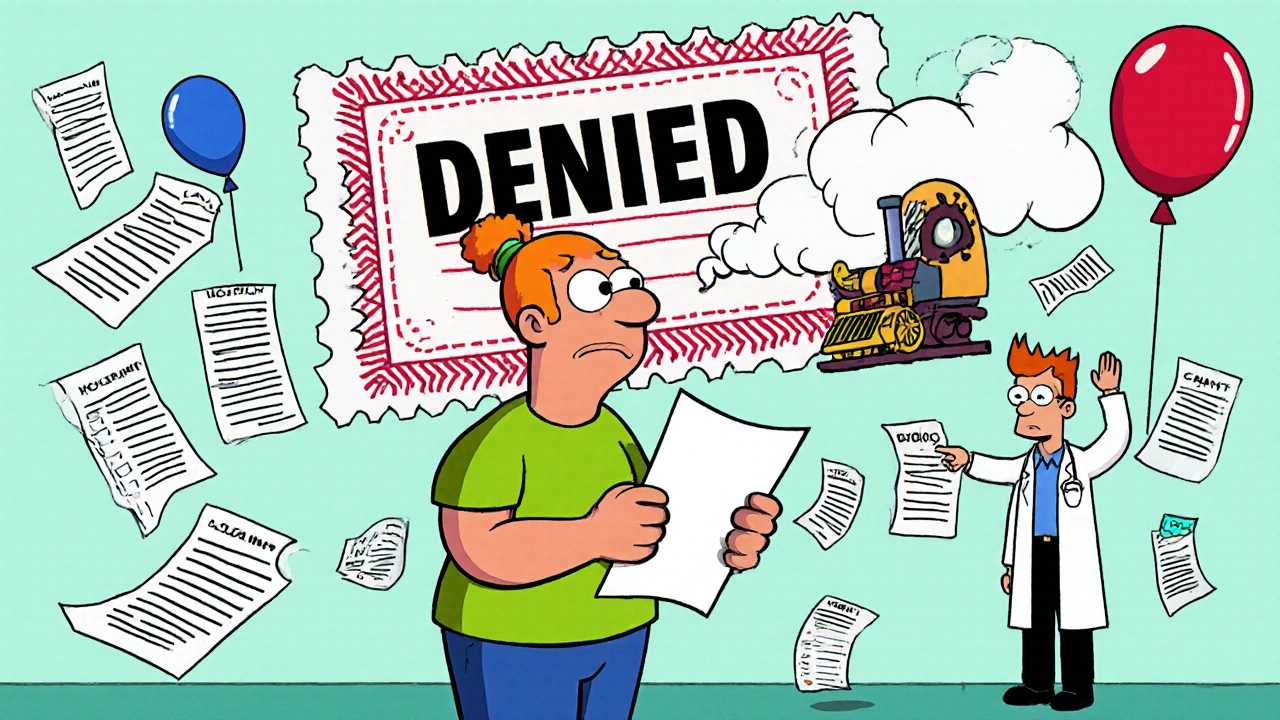
When someone medication denial, the conscious or unconscious refusal to take prescribed drugs despite medical need. Also known as drug refusal, it’s not just about forgetting pills—it’s a complex behavior rooted in fear, misinformation, cost, or past bad experiences. This isn’t rare. One in three adults skip, delay, or stop their meds because they don’t believe they’re necessary, worry about side effects, or think the doctor doesn’t get them. And it’s not just older patients—teens with ADHD, young adults with depression, and even middle-aged people with high blood pressure all do it. The result? More hospital visits, worse outcomes, and sometimes death.
Nonadherence, the broader term for not taking meds as prescribed, includes skipping doses, taking less than directed, or stopping early. But medication denial, the refusal to even start or accept a drug as needed. It’s different from forgetting—it’s a mental block. People might refuse antidepressants because they think it means they’re "weak," or avoid statins because they heard they cause memory loss. Some avoid insulin because they fear needles. Others skip antibiotics after feeling better, thinking they "don’t need it anymore." These aren’t irrational quirks—they’re responses to real concerns, often ignored by providers who focus only on the prescription, not the person. Meanwhile, prescription errors, like confusing drug names or wrong doses, can make people distrust meds even more. If you’ve ever gotten a prescription that looked wrong, or had a side effect no one warned you about, it’s easy to shut down. That’s why prescription verification and clear communication matter as much as the drug itself.
What’s behind medication denial? It’s rarely one thing. For some, it’s cost—like choosing between insulin and groceries. For others, it’s shame—like hiding psychiatric meds from family. Some fear long-term effects, especially after seeing horror stories online. A few have had bad reactions before and now assume all drugs are dangerous. And let’s be honest: if a doctor rushes through the explanation, or skips asking how the patient feels about the treatment, denial becomes the default response. The good news? You can fix this. Start by asking, "What’s your biggest worry about this medicine?" not "Are you taking it?" Listen. Then match the solution to the fear. If it’s cost, talk about authorized generics. If it’s side effects, explain dechallenge and rechallenge—how stopping and restarting a drug helps prove if it’s really to blame. If it’s stigma, normalize the conversation. You’re not just handing out pills—you’re rebuilding trust.
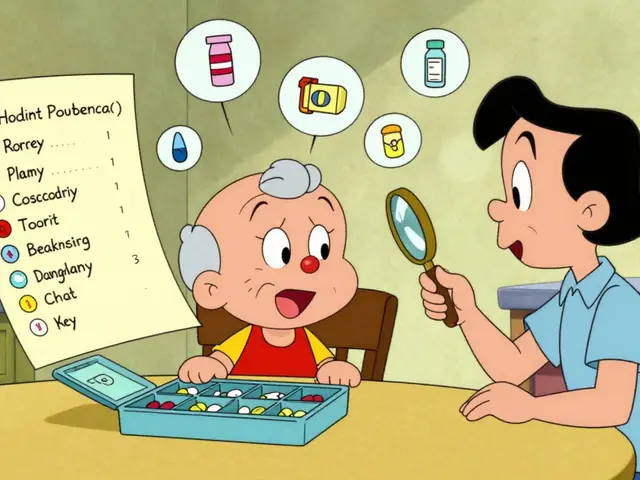
What you’ll find below are real stories and practical tools from people who’ve been there. From how to build a medication list that actually works, to understanding why side effects fade over time, to spotting dangerous drug interactions before they happen. These aren’t theory pieces—they’re fixes for real-life situations where people said no to their meds… and lived to regret it. You’ll learn how to turn denial into dialogue, fear into understanding, and missed doses into better health.